(Every videos can be viewed after download appears in my post)
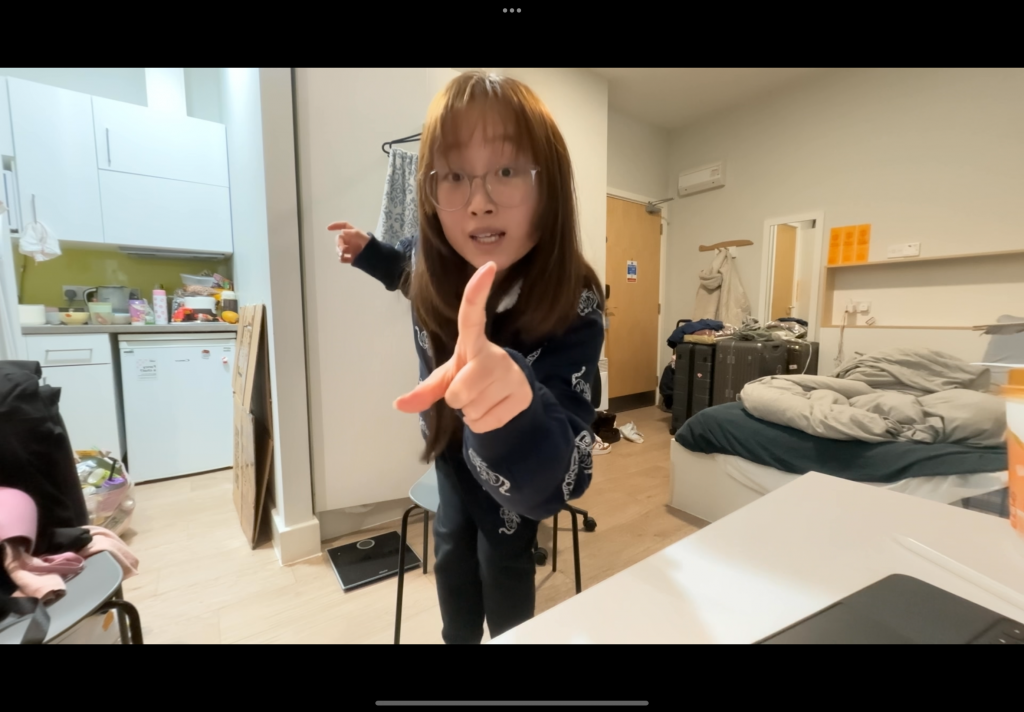
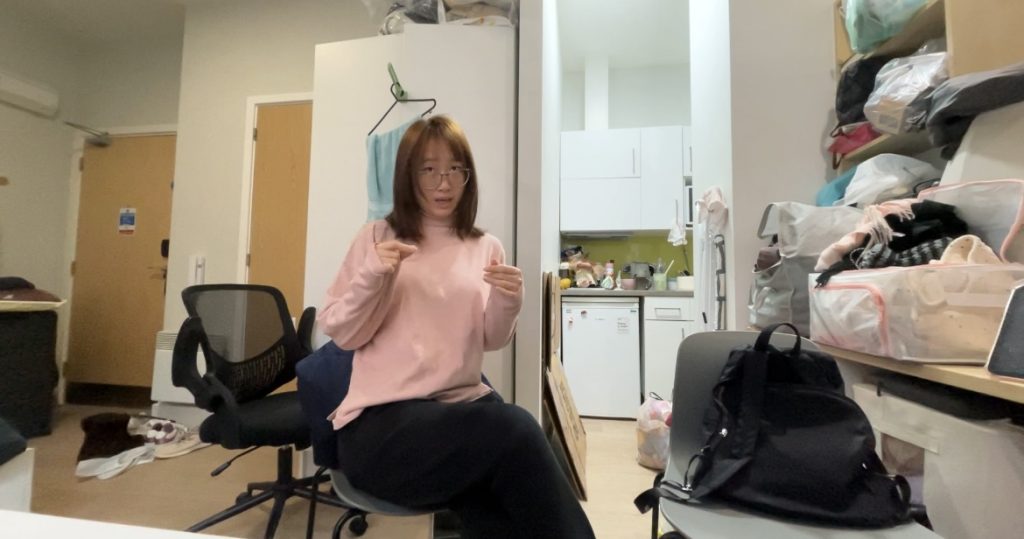
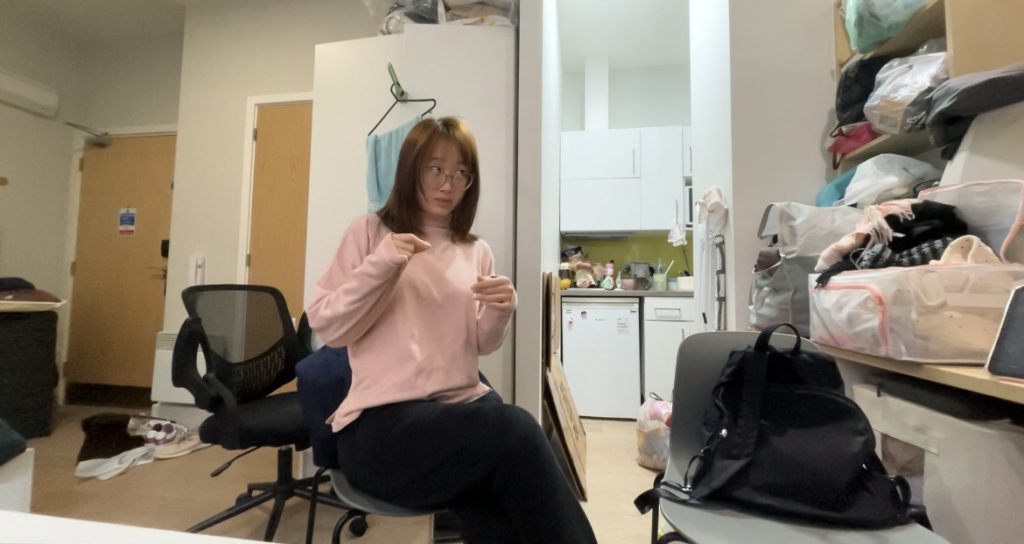
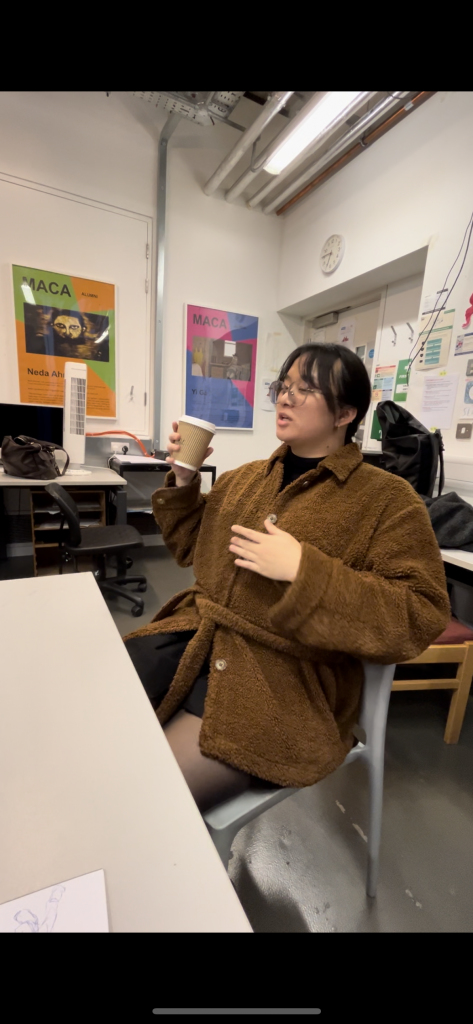
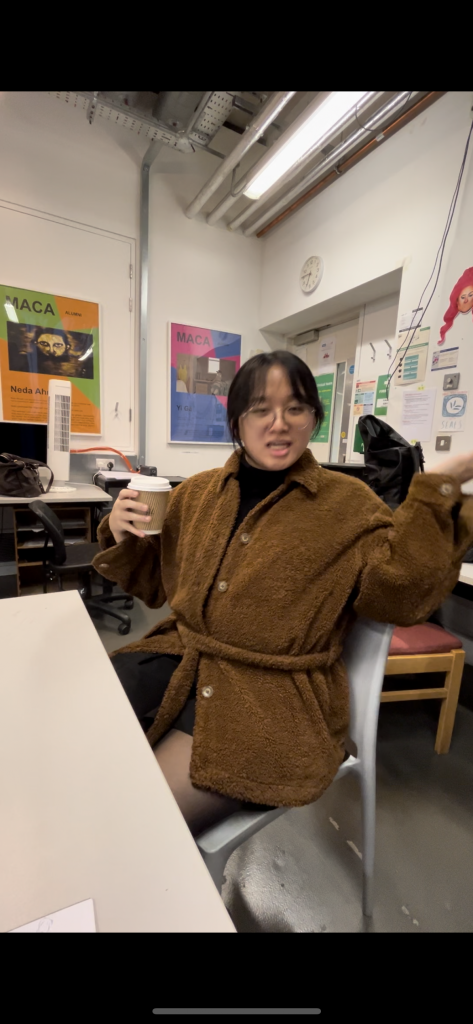
The first thing I learned is the importance of exaggeration. For example, in lip sync practice, I first filmed a full-body reference with visible foot movement, and then recorded a close-up reference of the mouth. The actions and facial expressions should be exaggerated, and the lip movement should match the syllables rather than simply following the spelling of words. Sometimes exaggerated perspective can also be used to emphasise certain parts, such as the eyebrows or hand gestures, which helps highlight the character’s personality. In addition, when the mouth opens widely, besides stretching the face, the mouth can even extend beyond the boundary of the face drawing to create a stronger visual effect.
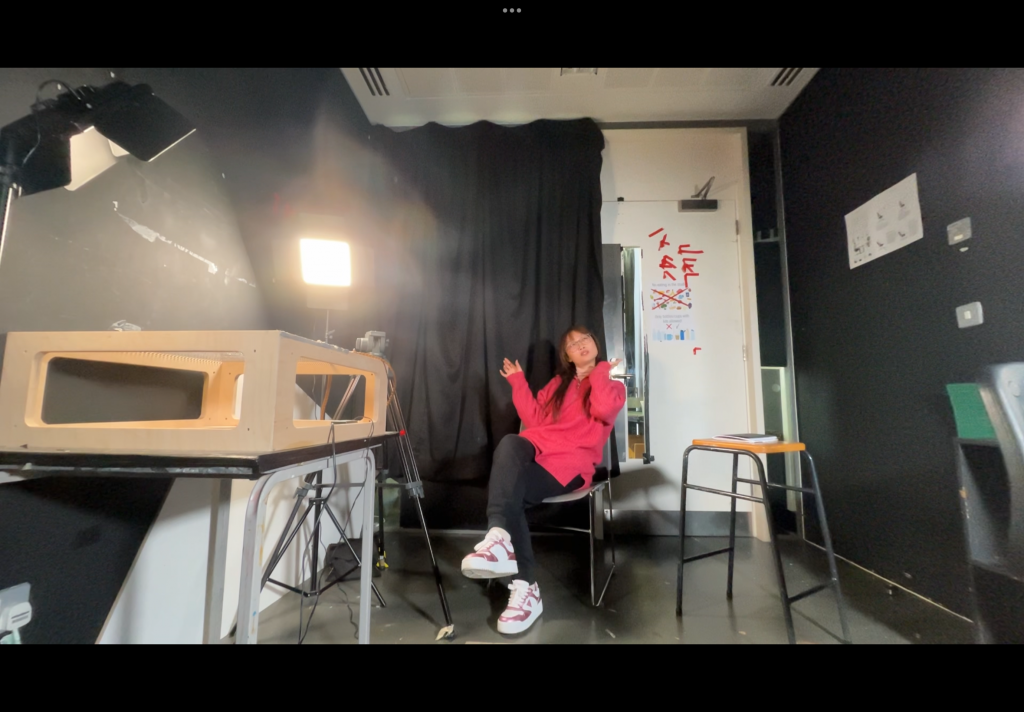
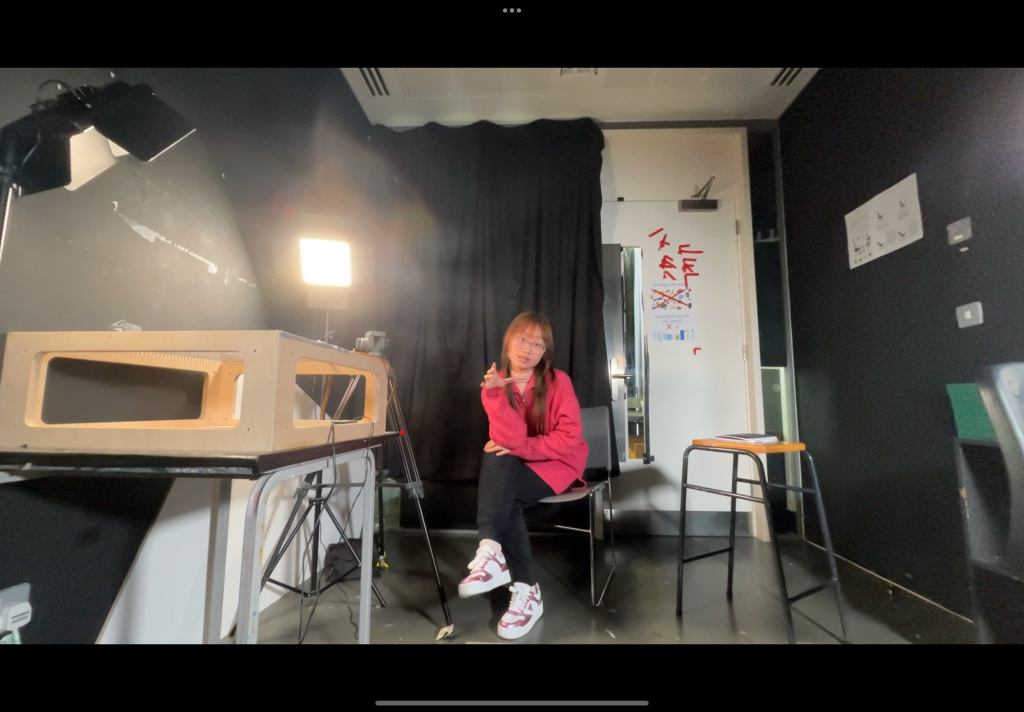
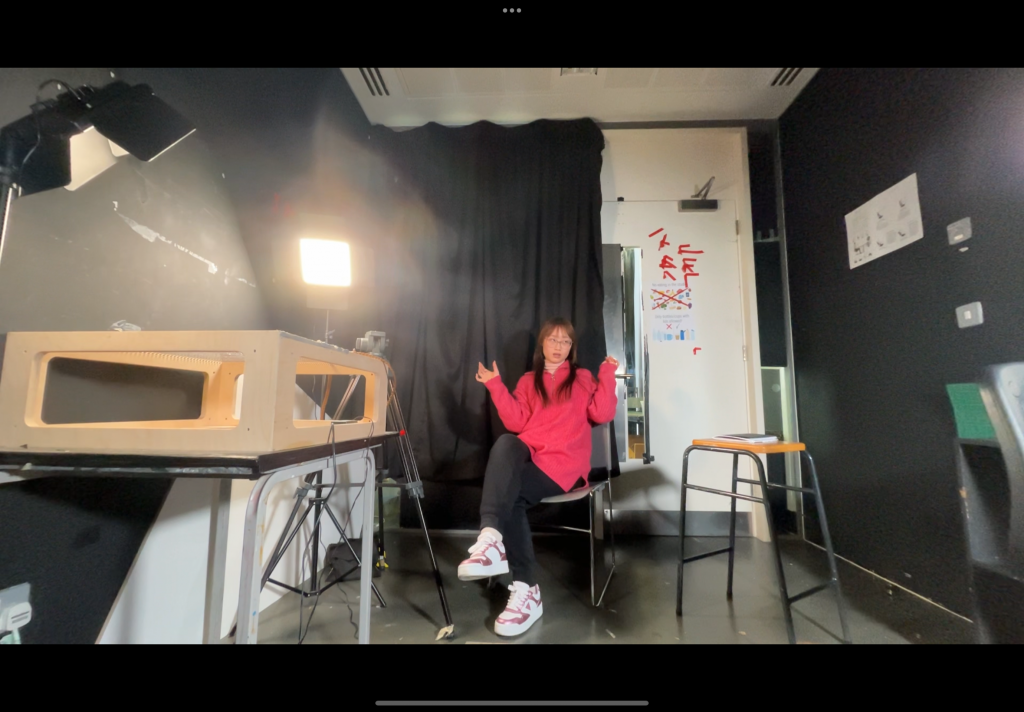
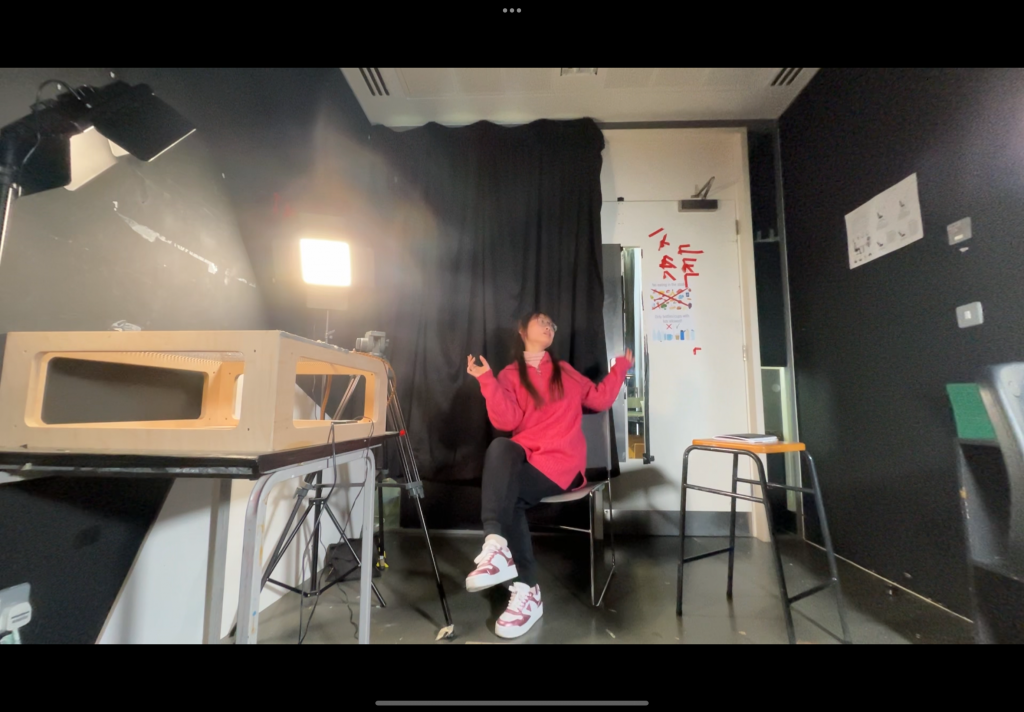
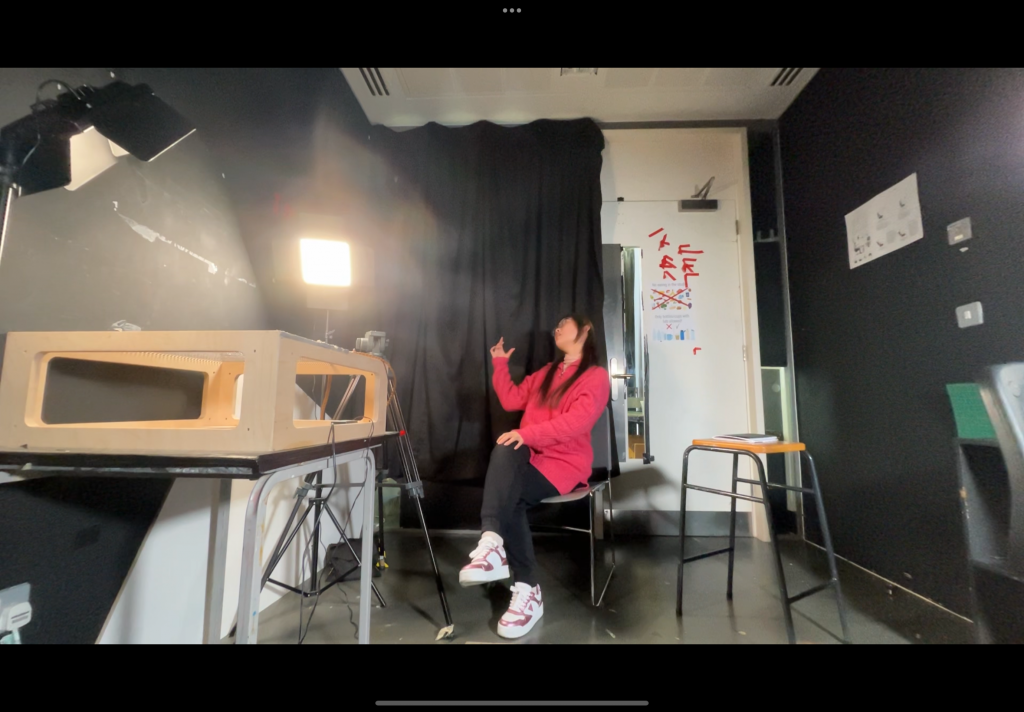
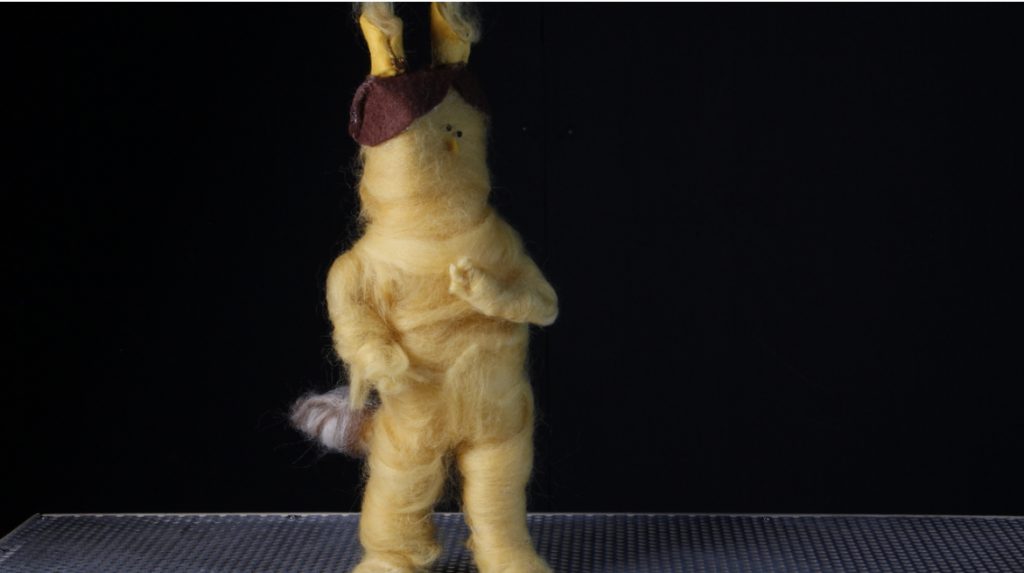
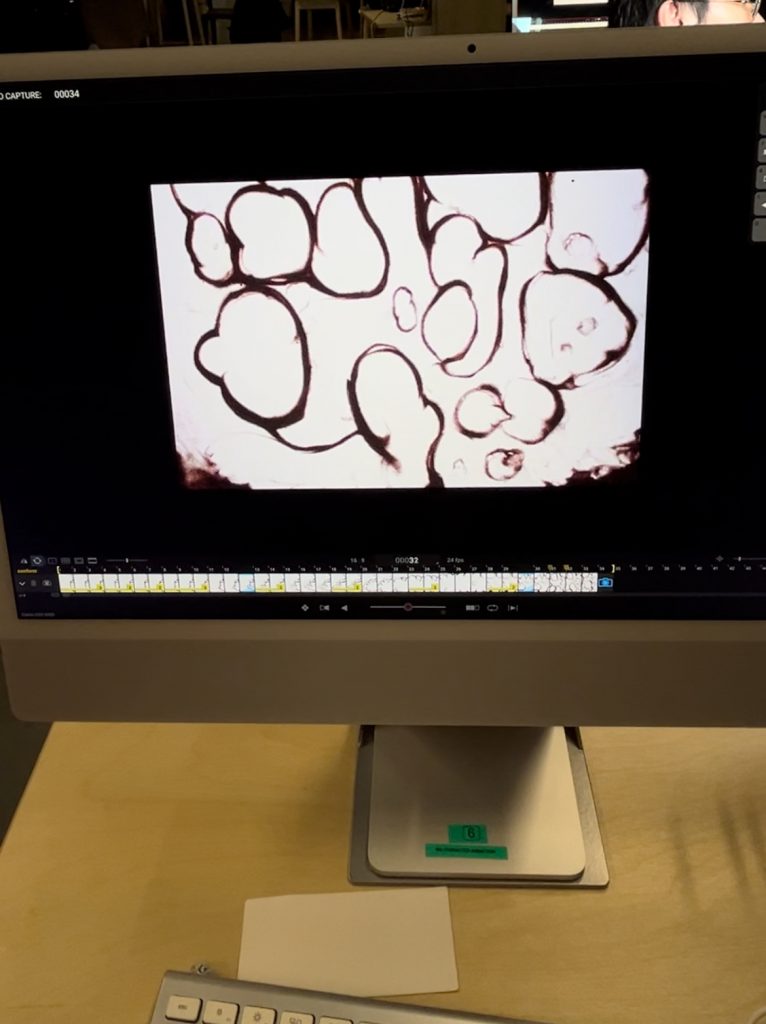
Secondly, it is important to focus on key poses and rhythm. There should be pauses and timing in the movement. For example, speech does not always have to occur simultaneously with body actions, which can also create follow-through. Variations in speed—some movements slow and some fast—help the audience follow the visual language and the logic of the scene. For instance, when the character blinks or where the pupils move are all steps that guide the audience’s attention. Storyboards should be concise, and every action should have a reason and make logical sense. It is important to consider which actions are most interesting and meaningful when presented on screen. For example, when working with stop-motion in the pathway course, I learned that when adjusting the puppet’s pose I should not look directly at the puppet itself, but instead observe the frame displayed on Dragonframe. Only by doing this can the performance be accurately expressed. Rotating the character’s body angle can also help convey emotion.
Thirdly, once a theme is decided, it is important to find a unique and relatable perspective that can resonate with the audience. The length of the story is not the most important aspect; what matters is how to reveal the core issue through a single moment. For example, the short film Enough portrays the moment when someone finally feels they have had enough. Although the scene itself is common, the way the characters move and the stylistic presentation make it distinctive. When I was thinking about the characteristics of my hometown, I spent a long time considering how to highlight those features while still allowing people who are unfamiliar with my language to understand the idea. I encountered a creative block at first, but a classmate’s character design inspired me. They designed a character shaped like a coffee bean, which relates to one of the stereotypes of Shanghai people—that they enjoy drinking coffee. This idea helped me expand my thinking. I realised that the characteristic does not need to appear grand or monumental; even a small detail can create an impression of Shanghai people and effectively fit the theme.
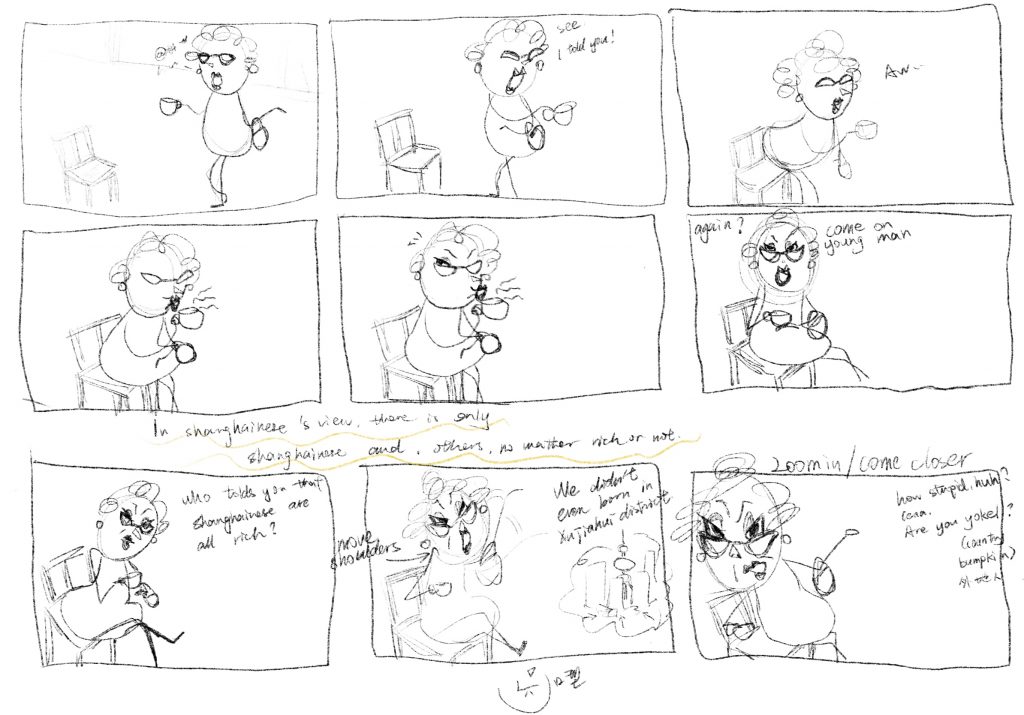
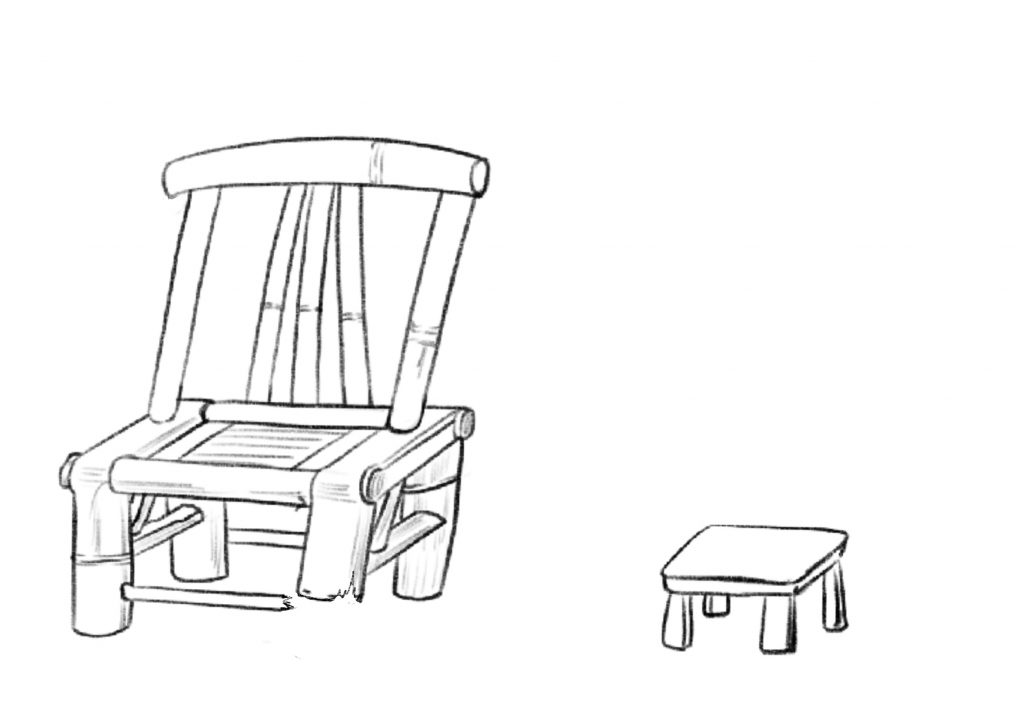
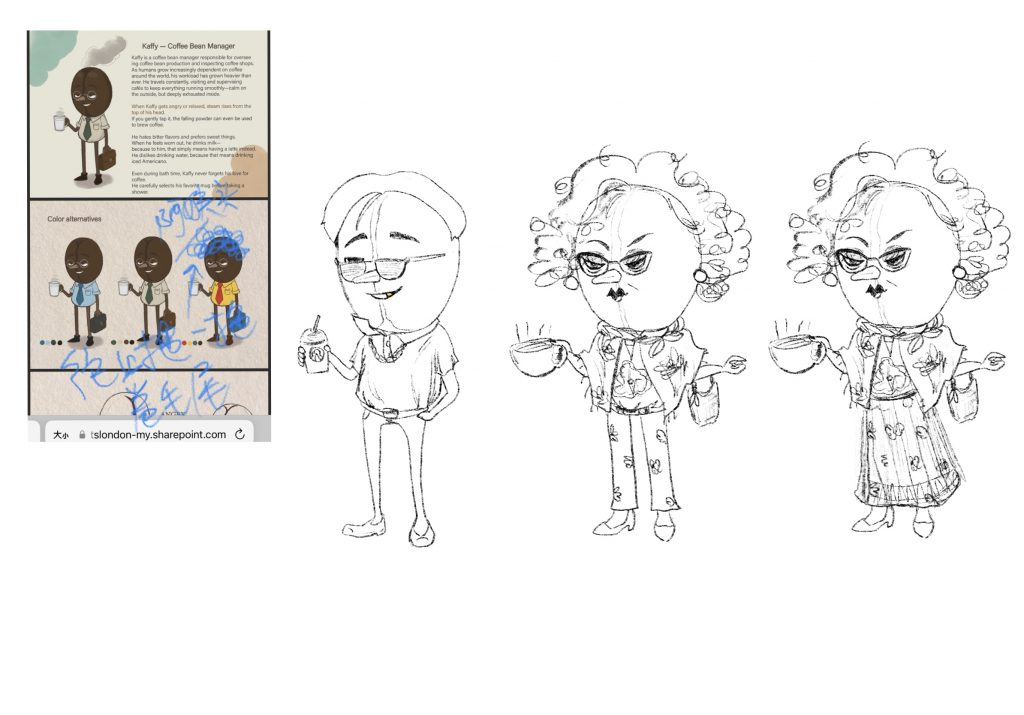
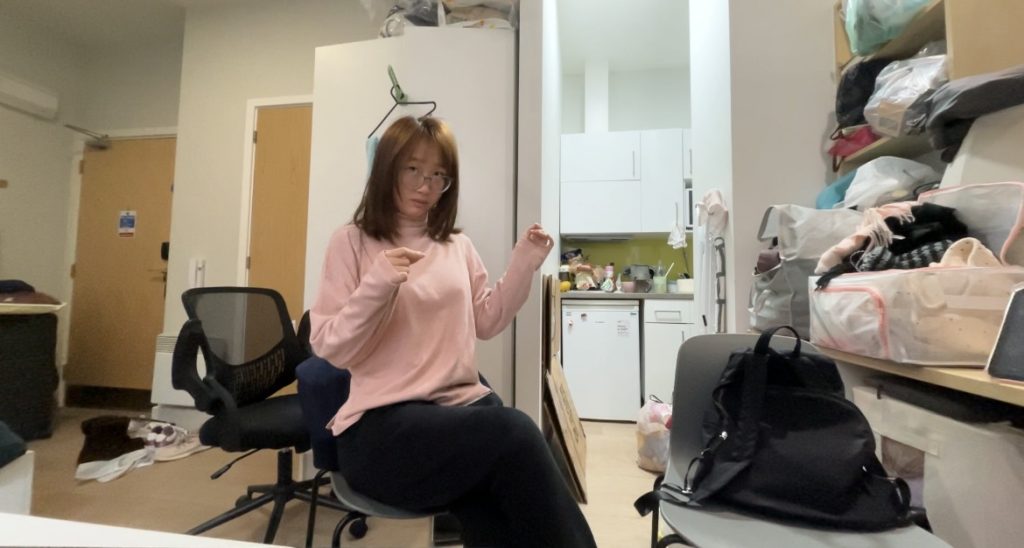
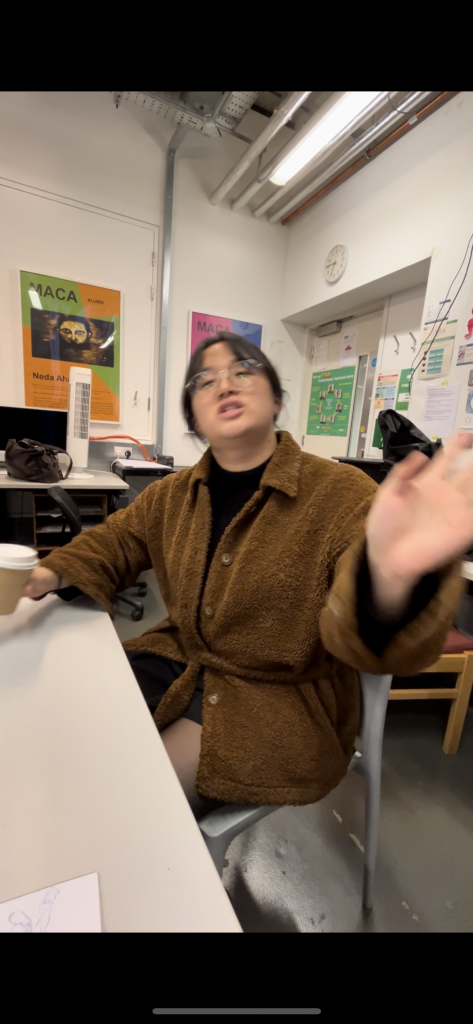
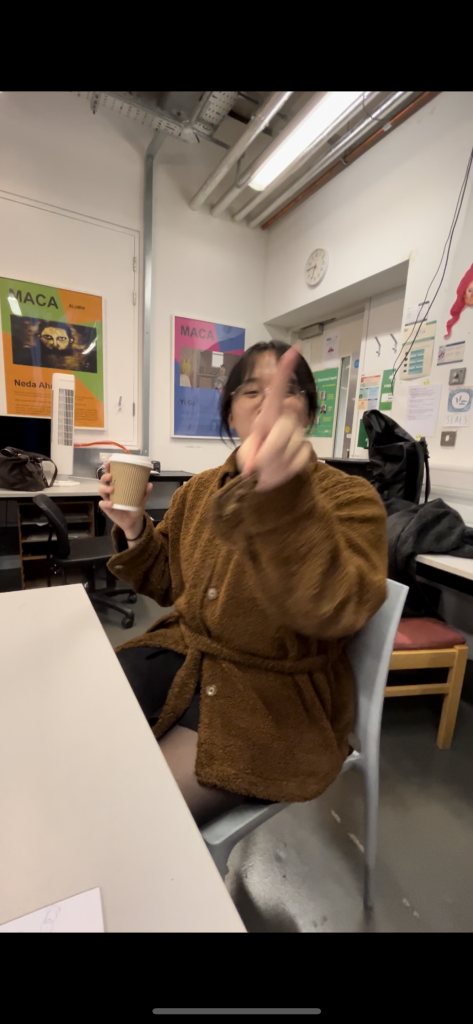
Fourthly, during the storyboard production process in the pathway course, I realised that moving images should be used to interpret the theme, and that details should serve to clarify the theme rather than exist purely for storytelling. At the beginning, my storyboards for each small exercise were extremely complex. Whenever I showed them to Ko, they were often rejected, and I did not understand what the problem was because the storyboard already seemed like a complete story. Later, I realised that the issue was that I was too determined to include everything within a single storyboard. A fully developed story is not always necessary to achieve an effect. A single moment that resonates with the audience can be enough. My boards contained too many unnecessary shots that did not contribute to character development, theme expression, or practice objectives. At the same time, the parts that should have been exaggerated were not emphasised enough, which only confused the audience. A similar issue also appeared in the early stage of my lip sync work. However, with the help of the teaching assistant, I gradually understood which aspects of my storyboard should be highlighted. (Here I will show the changes in my live-action reference.)
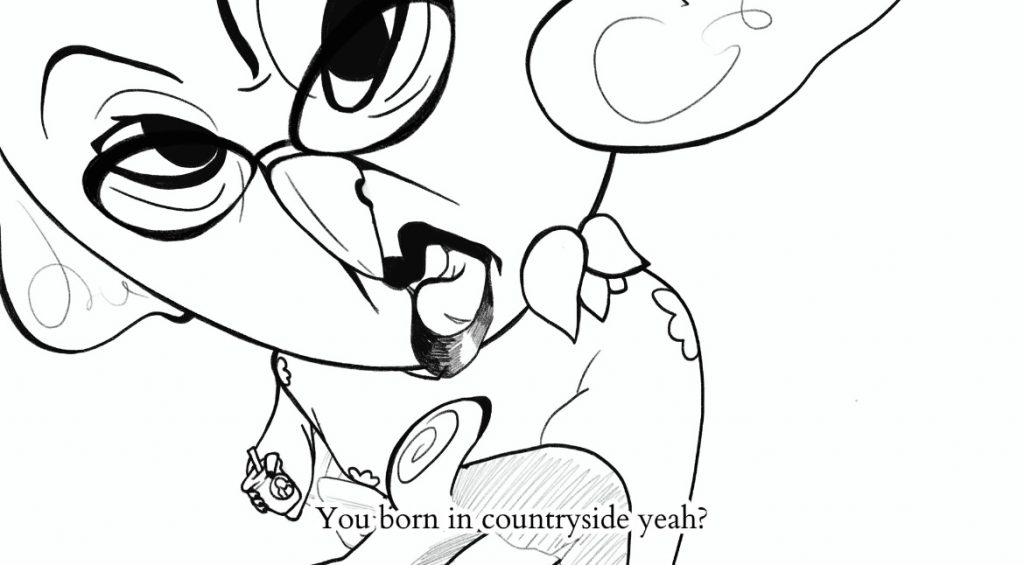
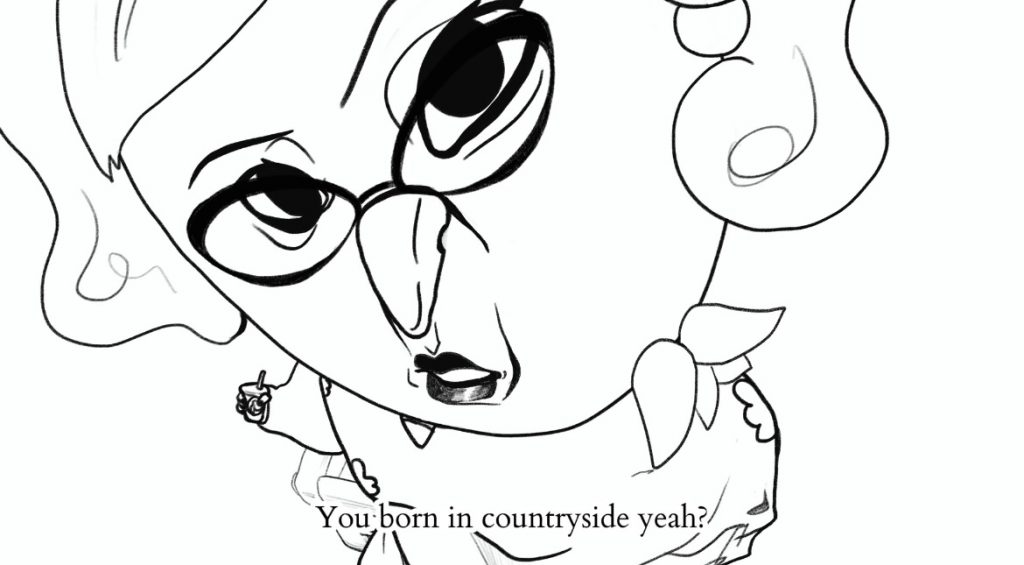
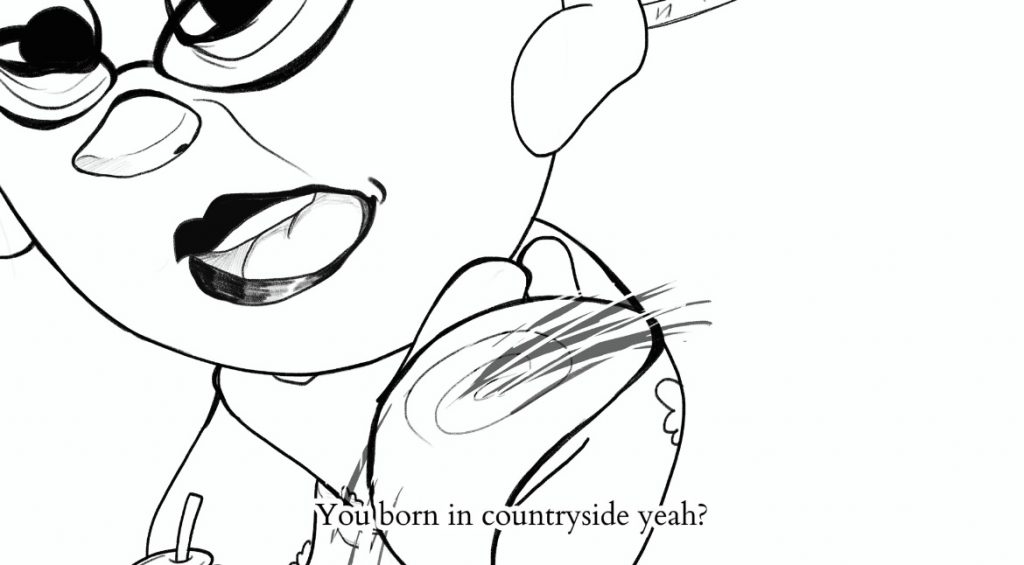
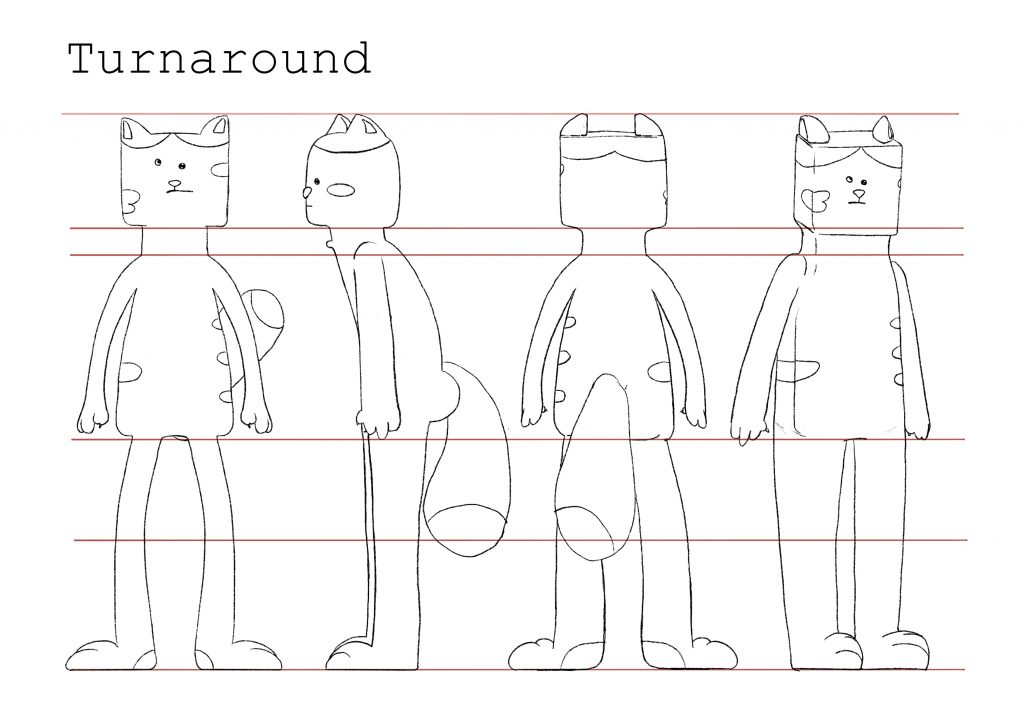
Fifthly, in character design, simple lines often create stronger audience resonance than highly detailed character designs because they are easier for viewers to project themselves onto, unless the character needs to represent a specific historical period or distinctive cultural feature.
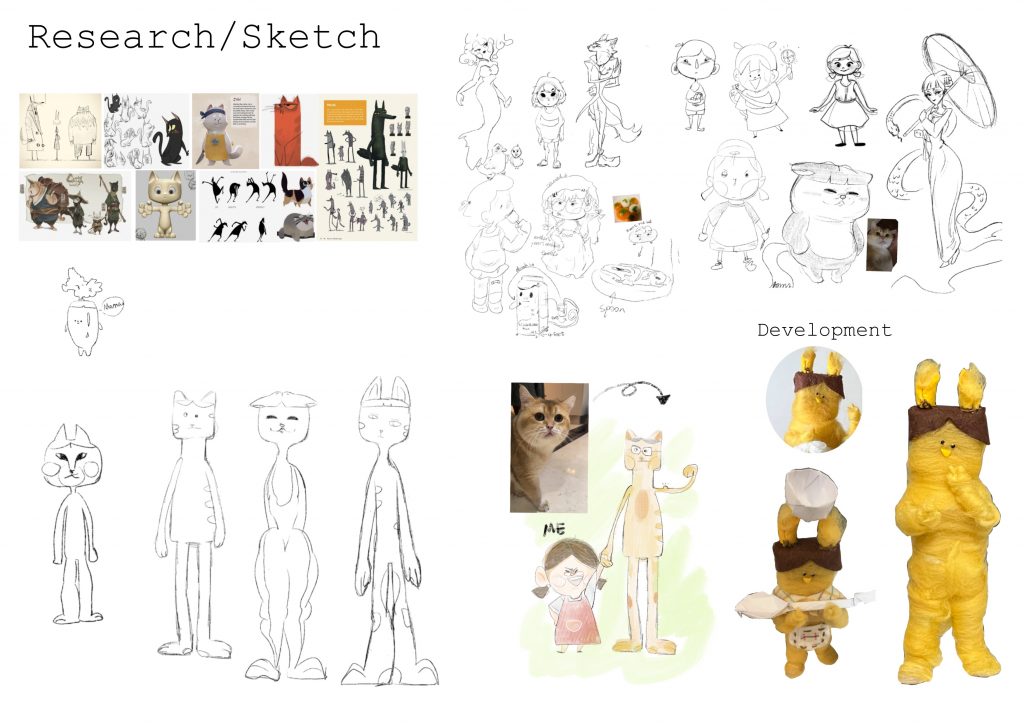

For me, the most important lesson is to constantly remind myself not to overcrowd the storyboard. Frames should be staggered, and movements should include follow-through and clear sequencing, allowing the audience enough time to react. Instead of putting every preconceived idea into the frame, the elements within the image should exist only to serve the main narrative theme. A perfectly expressed moment can be extremely powerful.
There should be no unnecessary shots that do not contribute to character personality, visual expression, or narrative clarity, because they will only mislead the audience.
Every action must have a reason. Each movement and line of dialogue should be designed with purpose, and every action should align with the character’s personality and the central theme of the animation. All movements should exist for the sake of visual storytelling and cinematic language.
Leave a Reply