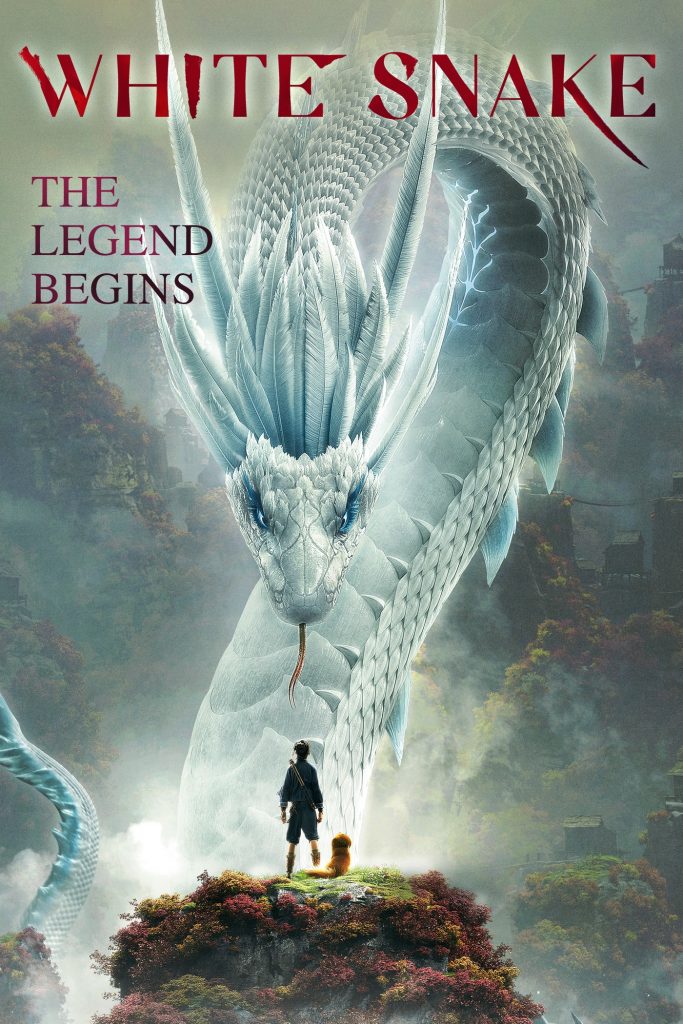
here is the link to the trail and whole film on youtube:https://www.youtube.com/watch?v=r0O14c91rwg
here to see the whole film for free :https://huavod.com/vodplay/93339-1-1.html
(Every videos can be viewed after download appears in my post)
When I was filming the live-action reference for my lip sync exercise, the teaching assistant advised me to study performances from professional animation works. At that time, I learned a great deal from the film White Snake. I believe one of the most successful aspects of this film is its effective use of follow-through and anticipation.
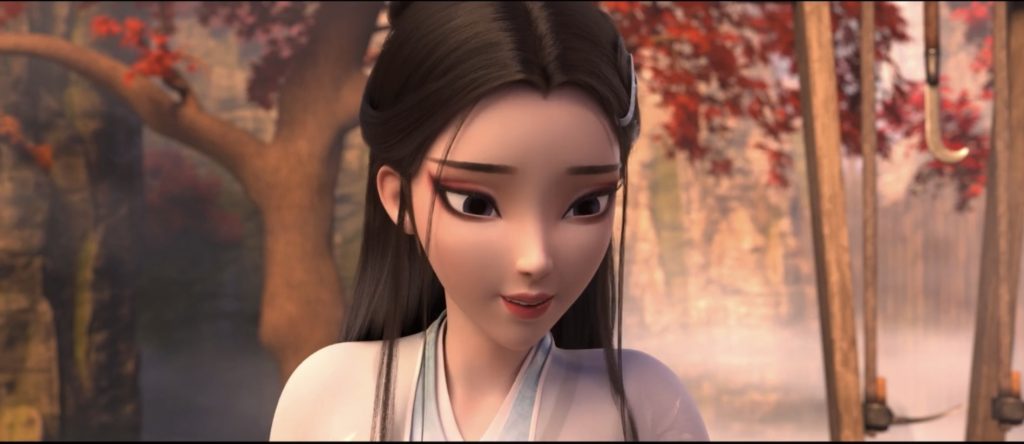
In this short sequence, although the character only smiles briefly, the performance feels extremely vivid. This is because the frames of the movements are staggered. She first moves her eyebrows, then slightly shakes her shoulders, and finally moves her eyes. The motion progresses from larger movements to smaller ones, giving the audience enough time to process and understand the character’s emotions.
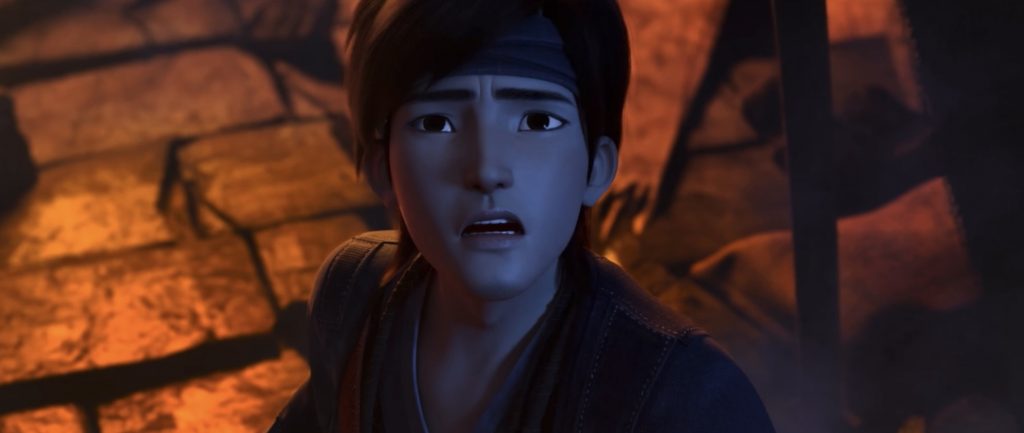
Similarly, when portraying a character’s fear, the scene uses a medium shot that gradually zooms into a close-up. Through this cinematic language, the audience can clearly understand the emotional progression and transformation. Since the camera movement itself is already significant, adding large body movements would distract from the focus. Therefore, the performance concentrates on facial expressions. The character first moves the eyebrows and eyes, then uses shoulder movement to support the emotional expression. Face squash and stretch are used as the character delivers the dialogue and completes the lip sync, allowing the emotion to reach its peak. Finally, follow-through brings the body back to its original position. This sequence successfully conveys subtle emotional changes while also making the movement feel lively and dynamic.
This was one of the key scenes I studied when working on my lip sync exercise. Although the camera remains in a wide shot, the character’s waist movement is used extensively, continuously rotating the body to change the angle facing the camera. The pose-to-pose animation is designed in a precise and concise way. A large leg-crossing movement leads the action, which then drives the motion of the head, followed by changes in facial expression. This sequence allows the audience to follow the character step by step and quickly understand their personality traits. Within just a few seconds, the animation demonstrates strong follow-through and overlapping action. One of the iconic props in the scene, the pipe, contains a large anticipation movement. This action occurs immediately after a few frames of smaller anticipation from the head movement. Instead of feeling repetitive, it actually provides the audience with enough time to react to the action.
When the character moves from the left side of the chair to the right side, the movement accelerates first and then decelerates, demonstrating the principle of slow in and slow out, which conveys a sense of softness in the character’s movement. Most of the actions also follow arcs, which express the character’s graceful and charming personality.
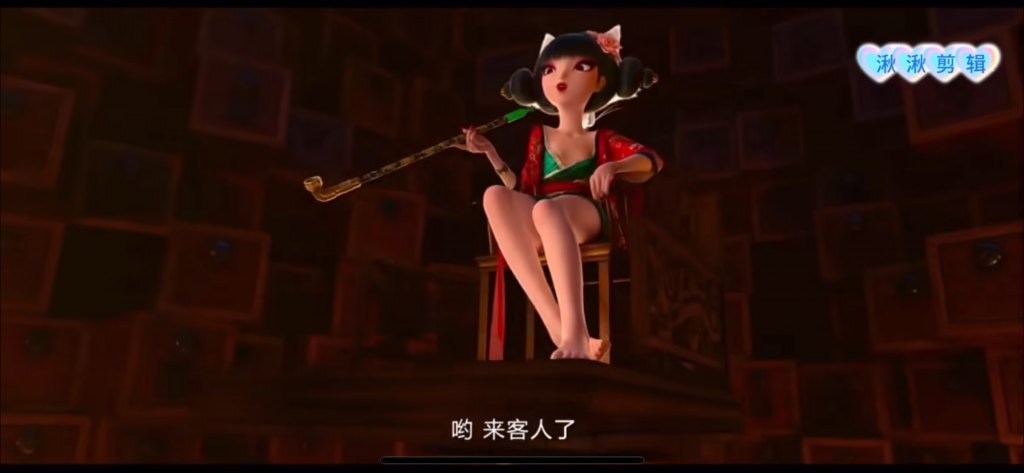
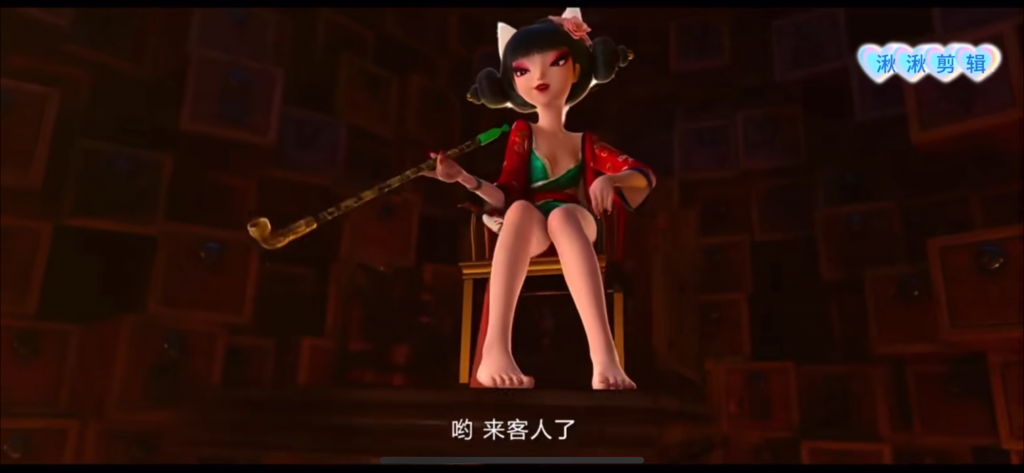
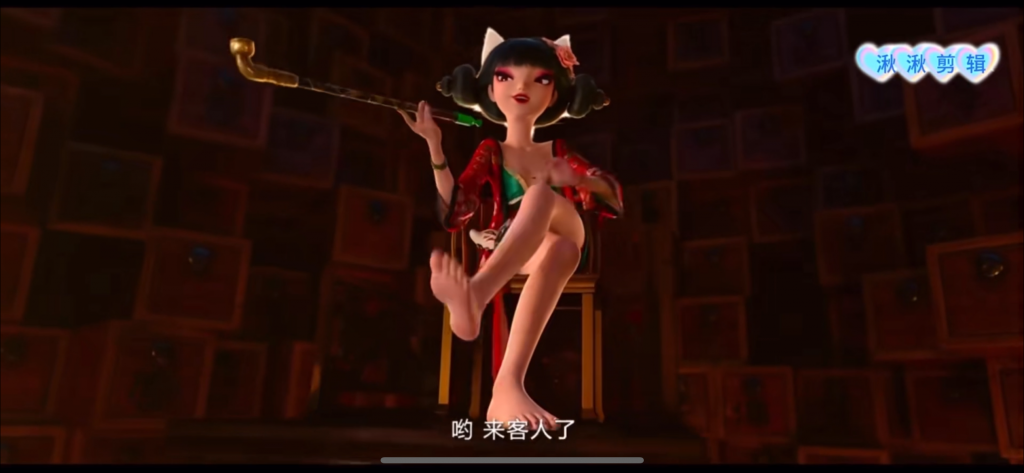
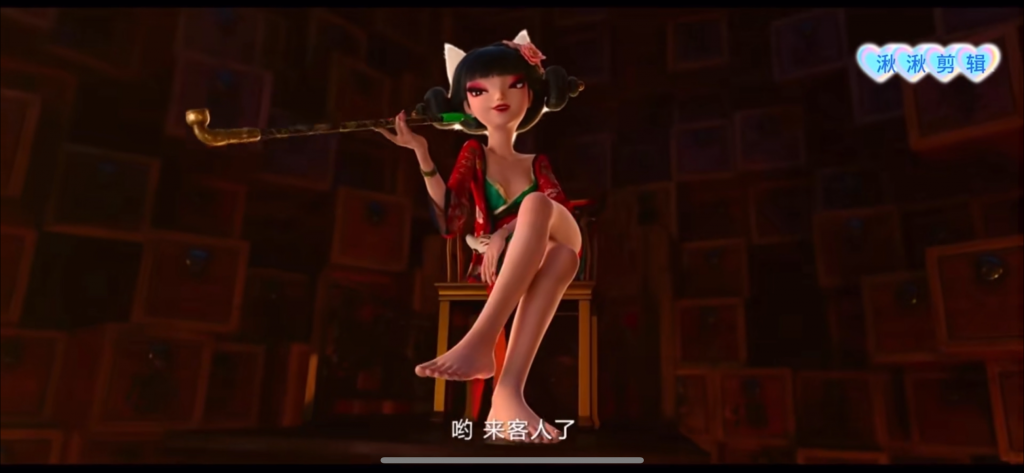
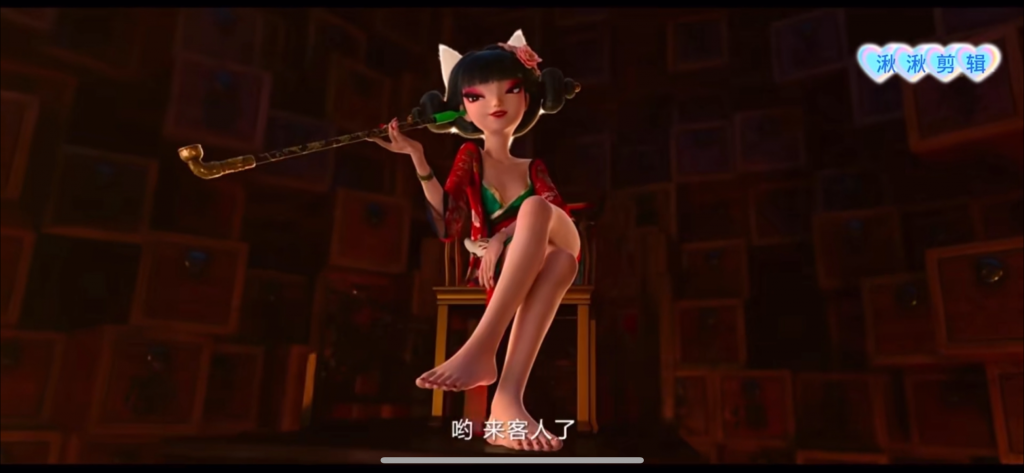
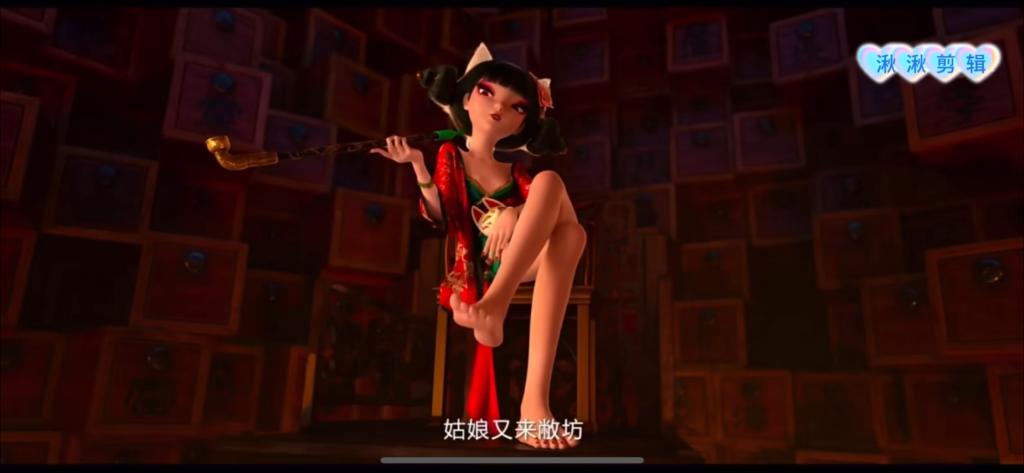
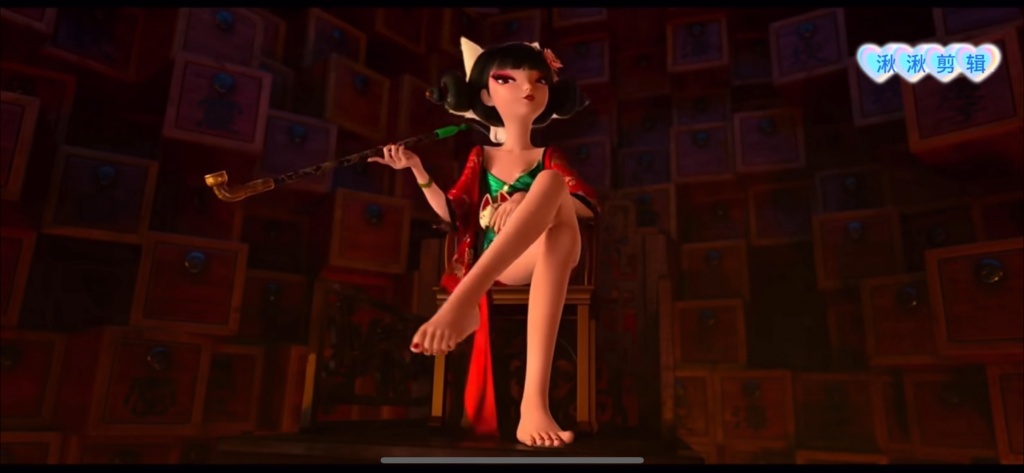
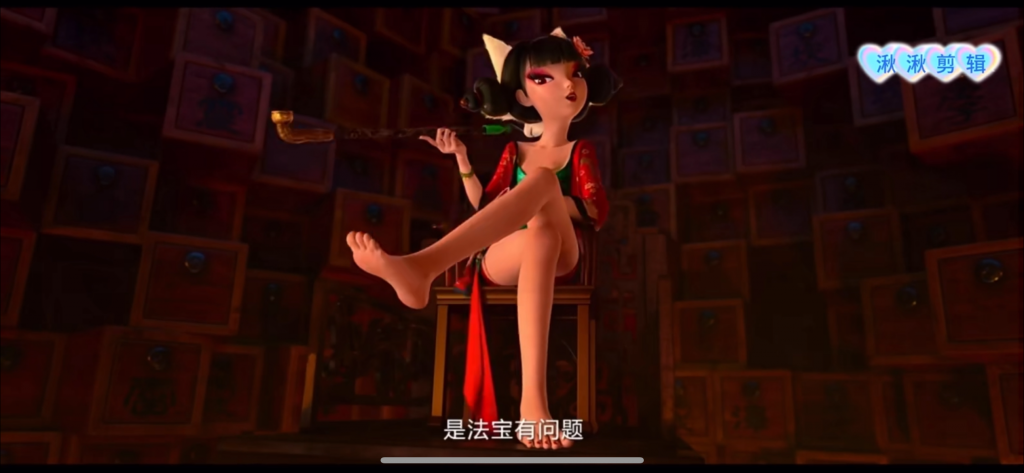
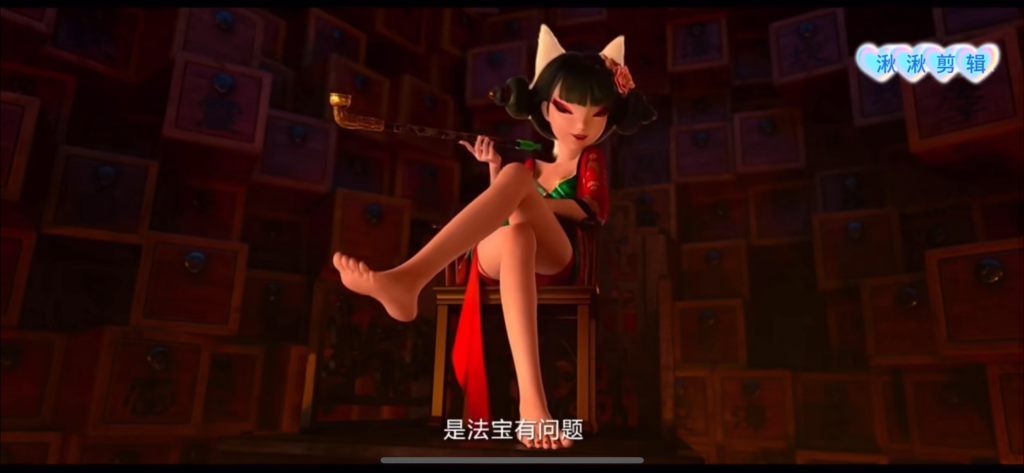
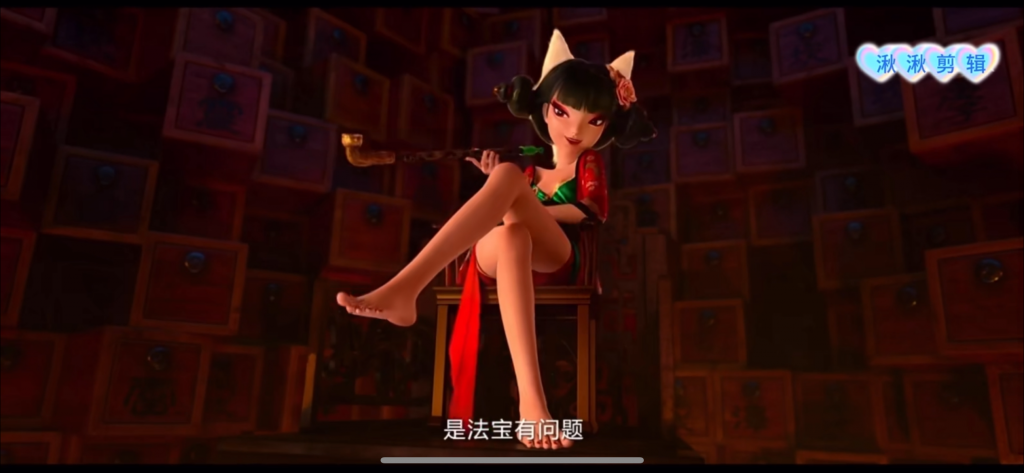
There is also secondary action hidden within this shot. The main action is the movement of the waist, while additional details enrich the performance. For example, the facial expression changes while the character is speaking: from a normal expression, to widened eyes with facial stretching, and then returning to normal. The follow-through of the lower leg and the pipe also function as secondary actions that support the main movement.
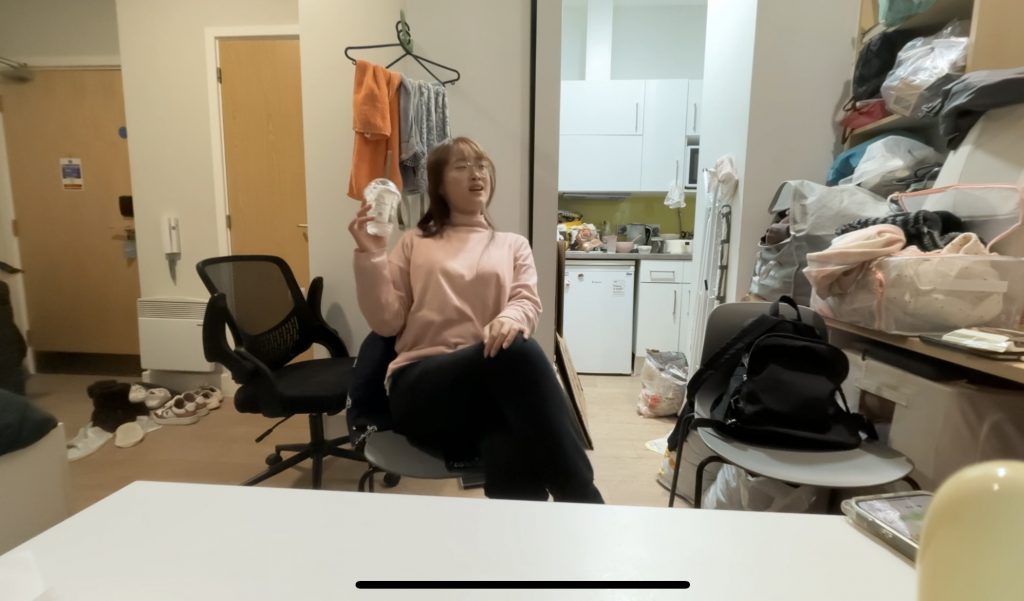
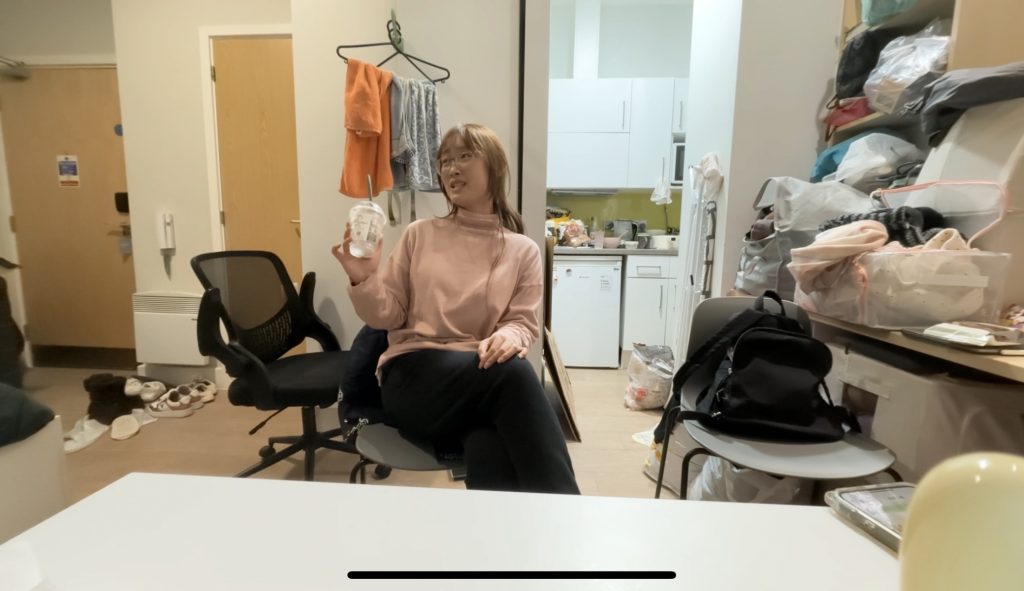
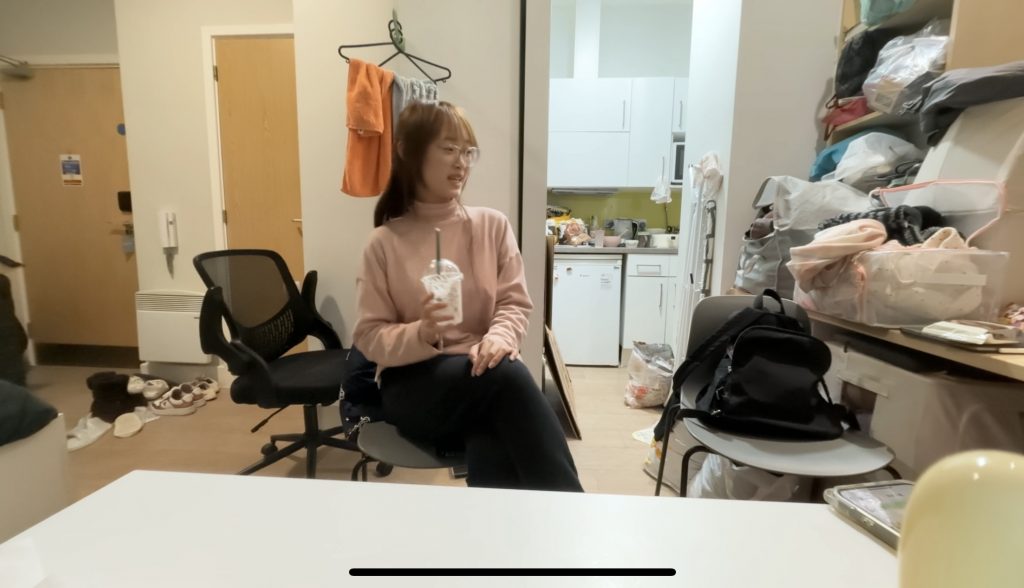
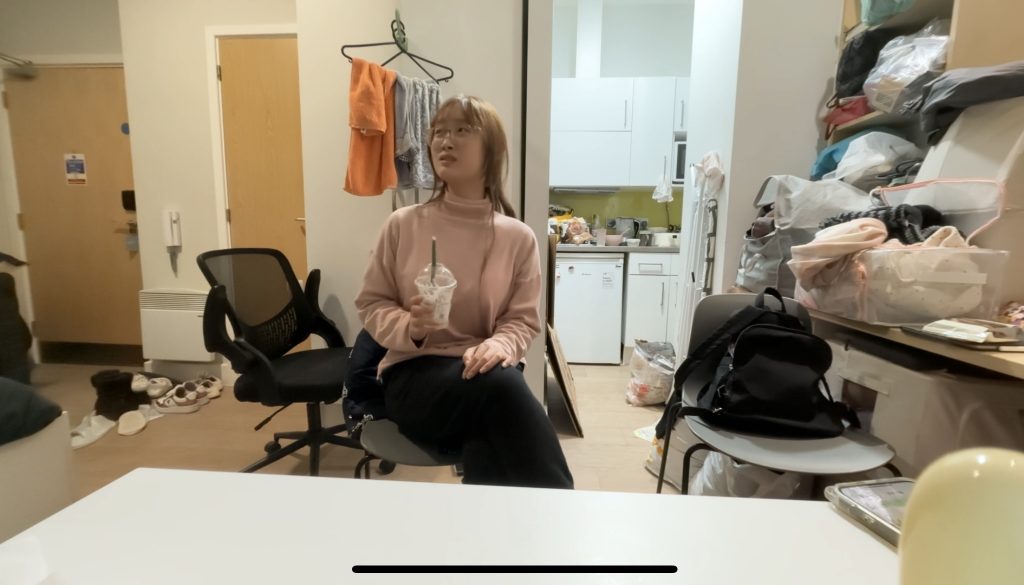
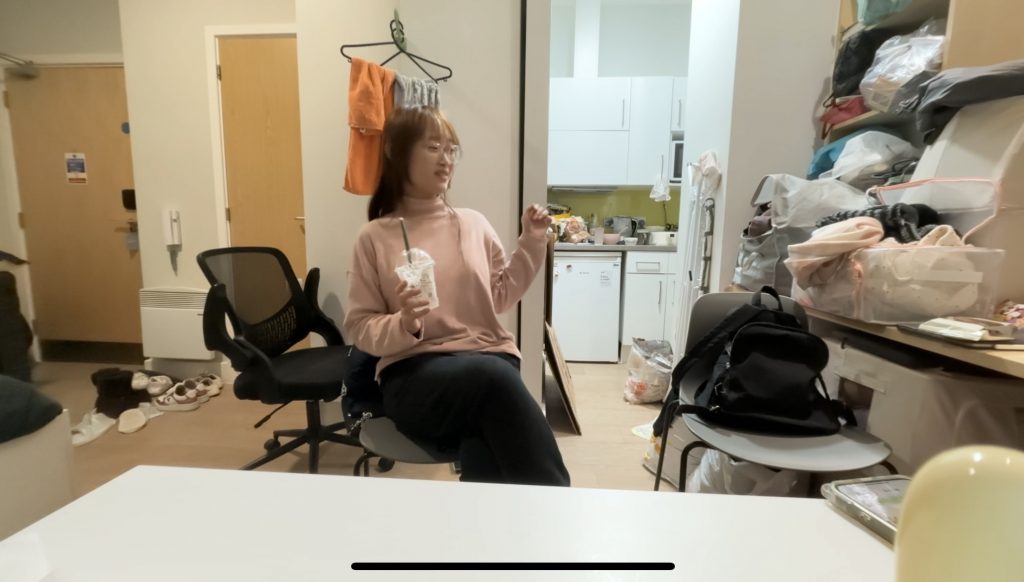
This is part of my live action for body action in the lip sync,which is inspired by White Snake.
Leave a Reply