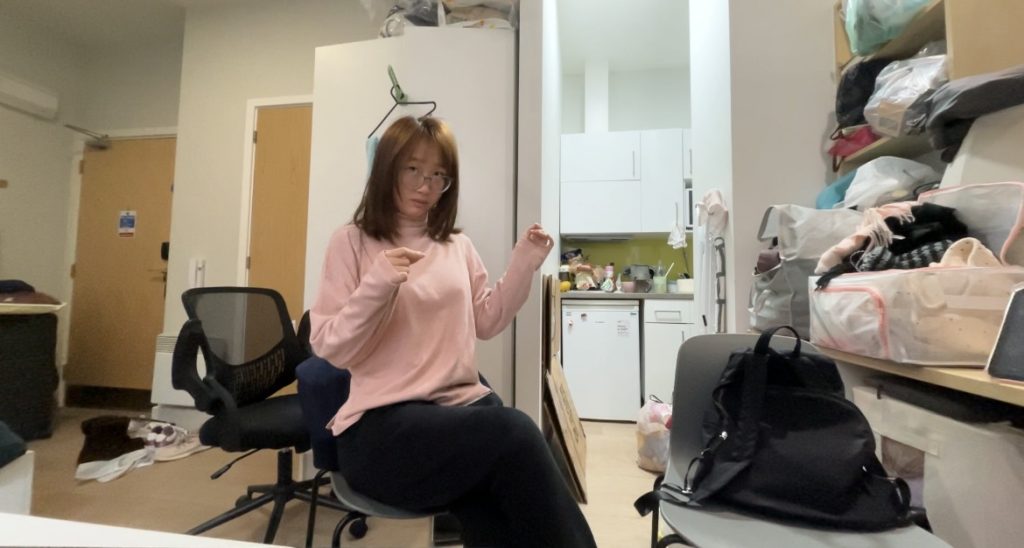
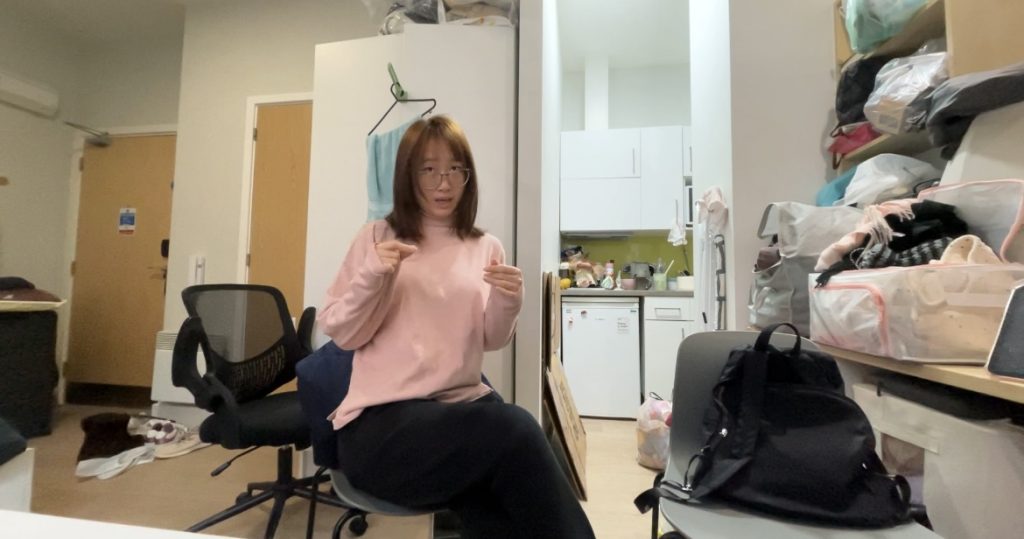
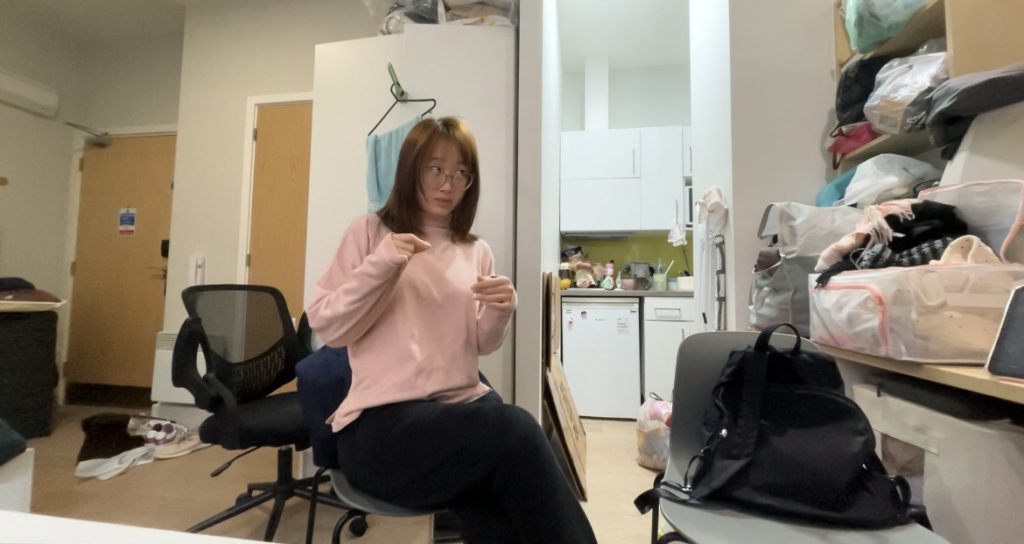
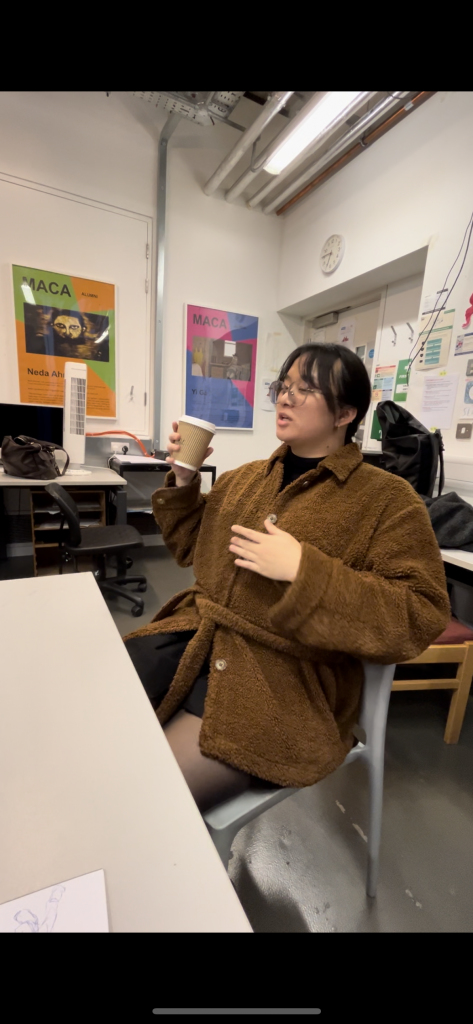
Over the past year, I have taken several steps to understand the animation industry and explore potential career opportunities. Rather than relying only on online research, I have tried to gain first-hand insights by speaking to professionals, visiting studios and participating in creative events.
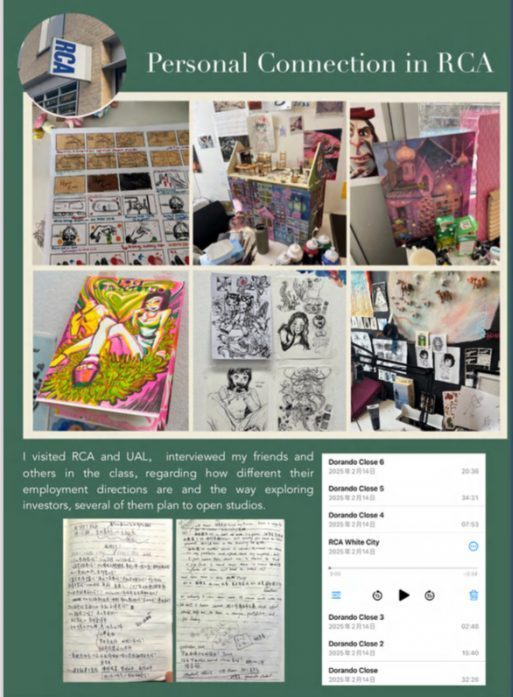
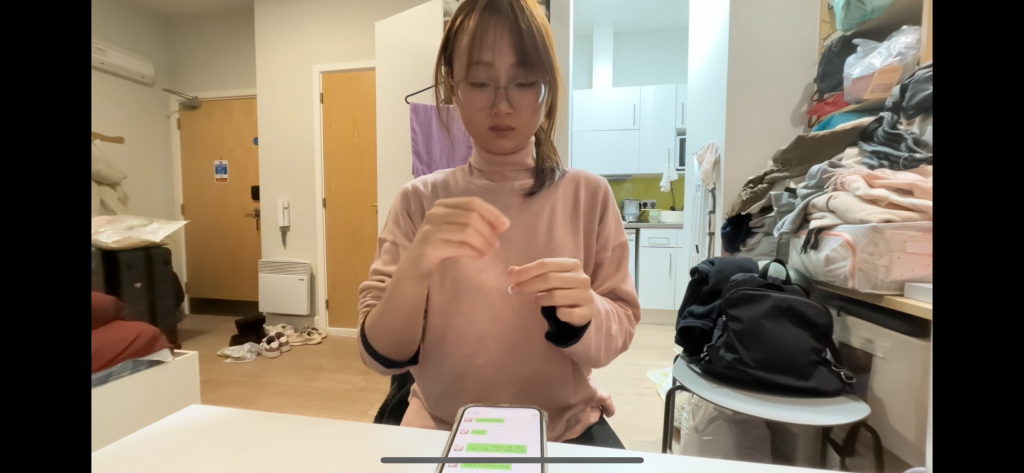
One of the most valuable experiences was interviewing several independent animators who graduated from the Royal College of Art (RCA) and chose to remain in the UK. I wanted to understand their experiences of entering the industry after graduation. Interestingly, their career paths were quite different. Some had eventually changed careers and become tattoo artists, while others were still actively sending out CVs and applying for animation positions, hoping to find opportunities. These conversations gave me a more realistic understanding of the challenges facing emerging animators in the UK. They also made me realise that having a good portfolio and a degree does not necessarily guarantee employment, and that persistence, flexibility and networking are equally important.
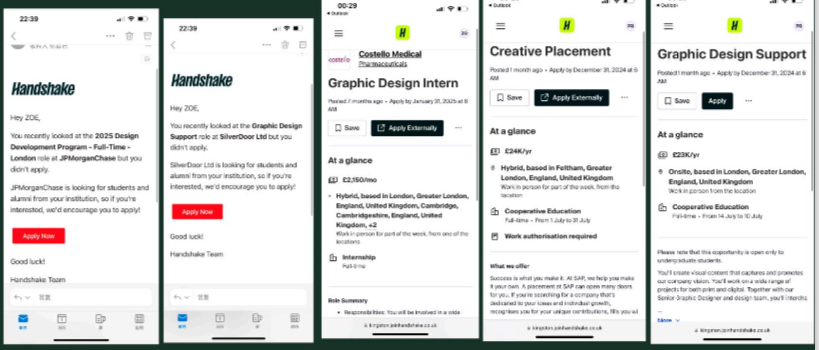
I have also registered on Handshake, a platform for discovering career opportunities, and started preparing my own CV. In addition, I attended a Small Talk session with Jenny, a British children’s book illustrator, where I learned about how she entered the illustration industry and developed her professional career. Although illustration is different from animation, I found it useful to hear about her personal journey and the challenges of establishing herself as a creative professional.
I have also visited Blinkink, a London-based animation studio, twice. I was particularly interested in its distinctive approach to animation and commercial projects. Unfortunately, they were not recruiting new talent at the time, but visiting the studio helped me understand the professional environment and the type of creative work produced there.
Another valuable experience was creating a promotional website for the Stanley Picker Gallery at Kingston University. As part of this project, I conducted in-person interviews to understand the gallery’s different components, activities and overall identity. This gave me experience in communicating with people, gathering information and translating research into visual communication.
Reflecting on these experiences, I have realised that building a career in animation requires more than technical and creative skills. It also involves communication, adaptability and an understanding of the wider creative industry. Moving forward, I hope to continue attending industry events, meeting independent artists and developing my portfolio, particularly in storyboarding, visual development and directing.
Among the different roles in the animation industry, directing is probably the one that attracts me most. I am passionate about communicating ideas and emotions through storytelling. I enjoy taking a concept from my imagination and developing it into a visual narrative that an audience can connect with. My biggest dream is to direct or contribute to an animated feature film that makes people feel that perhaps being alive in this world is not such a bad thing. I want to create stories that offer comfort, hope and emotional connection.
I am also interested in filming and commercial production. I enjoy responding to creative briefs and understanding how to communicate a specific message to an audience, but I equally enjoy developing my own ideas without being restricted by a brief. I think being able to work in both areas would help me become a more flexible creative professional.
Interestingly, my experience as a producer on a LIAF project made me realise how much I enjoy this role. I particularly liked communicating with different people and understanding how each department contributes to the final outcome. Being involved in different stages of production allowed me to learn about the organisation, collaboration and decision-making required to complete an animation project. It also gave me a broader understanding of the industry beyond the creative process itself.
Through practical experience, I have also started to recognise my strengths in pre-production. Although I initially thought directing would be my strongest area, I discovered that I am particularly good at identifying unnecessary information in storyboards and suggesting small visual changes that can make a scene more distinctive. This has encouraged me to explore storyboard development, visual development, set design and background design.
I am interested in understanding how composition, colour, lighting and environmental details can contribute to storytelling before the animation process even begins.
At this stage, I do not want to restrict myself to one job title. I would like to continue developing my directing and storytelling skills while gaining more experience in producing and visual development. I believe understanding different departments will eventually make me a more thoughtful and capable director.
When thinking about where I would like to work in the future, I find it difficult to limit myself to one country or one particular studio. I would love to work internationally and experience how different countries approach animation, storytelling and visual styles.
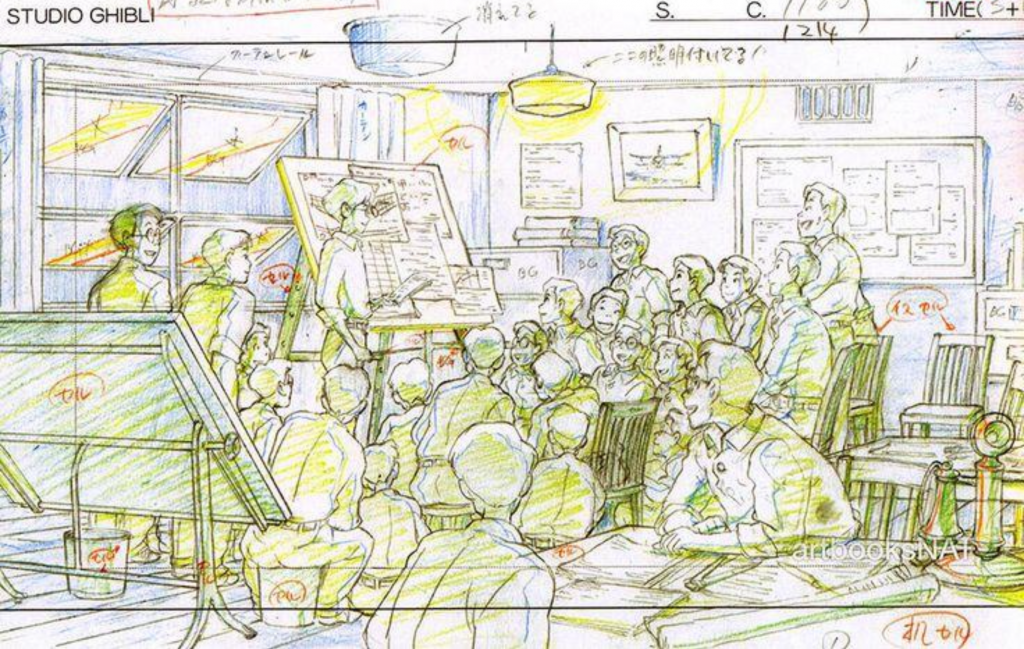
Japan is one of my dream destinations. I have always admired Studio Ghibli and its ability to create imaginative worlds while exploring very human emotions. I would love to experience working in an environment where storytelling, character development and artistic expression are at the heart of the production process.
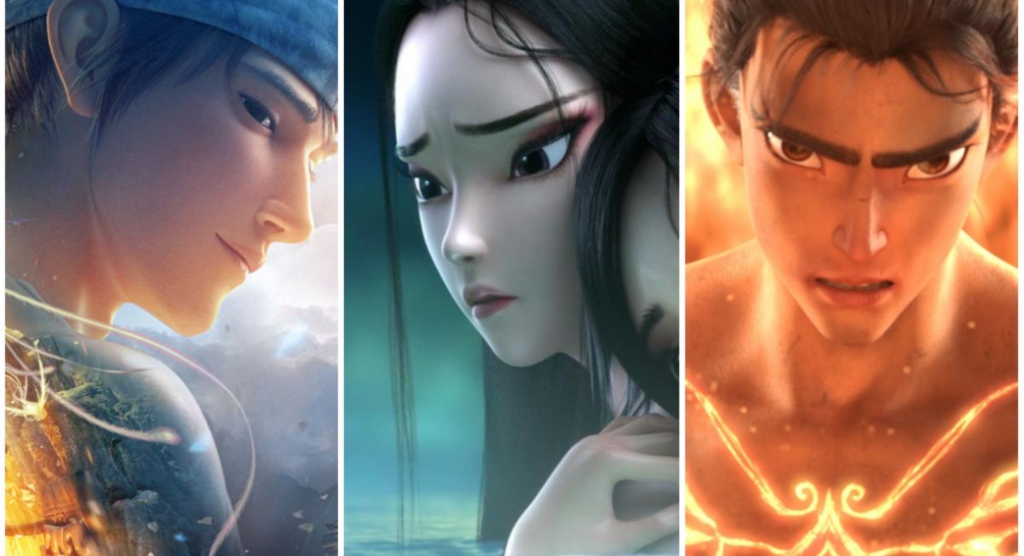
Another possibility would be returning to China, particularly Beijing, where I am interested in studios such as Light Chaser Animation. I am interested in the development of Chinese animated films and how studios are combining traditional Chinese culture with contemporary animation techniques. Projects such as Your Letter (《去你的岛》) particularly interest me because of their potential to explore different visual approaches to Chinese storytelling. I am also interested in the wider development of Chinese animation, including films such as Ne Zha.
However, I do not necessarily want to work exclusively in feature films. I am also interested in the commercial animation industry. For example, luxury brands such as Hermès have commissioned handcrafted paper-cut and stop-motion animations for their campaigns. I find this particularly exciting because it demonstrates how animation can be used beyond traditional filmmaking. I believe there are growing opportunities for animators to collaborate with fashion, advertising and design industries, especially in China.
I would also like to explore the independent animation and games industries. Independent filmmaking offers more freedom to experiment with personal ideas, while game animation introduces opportunities to create interactive worlds and characters.
Ultimately, I hope to build an international career rather than follow a fixed route. Whether working in Japan, China or the UK, I want to experience different creative environments, collaborate with artists from different backgrounds and develop a broader understanding of animation. I believe these experiences will help me discover my own artistic voice and the kind of stories I want to tell.
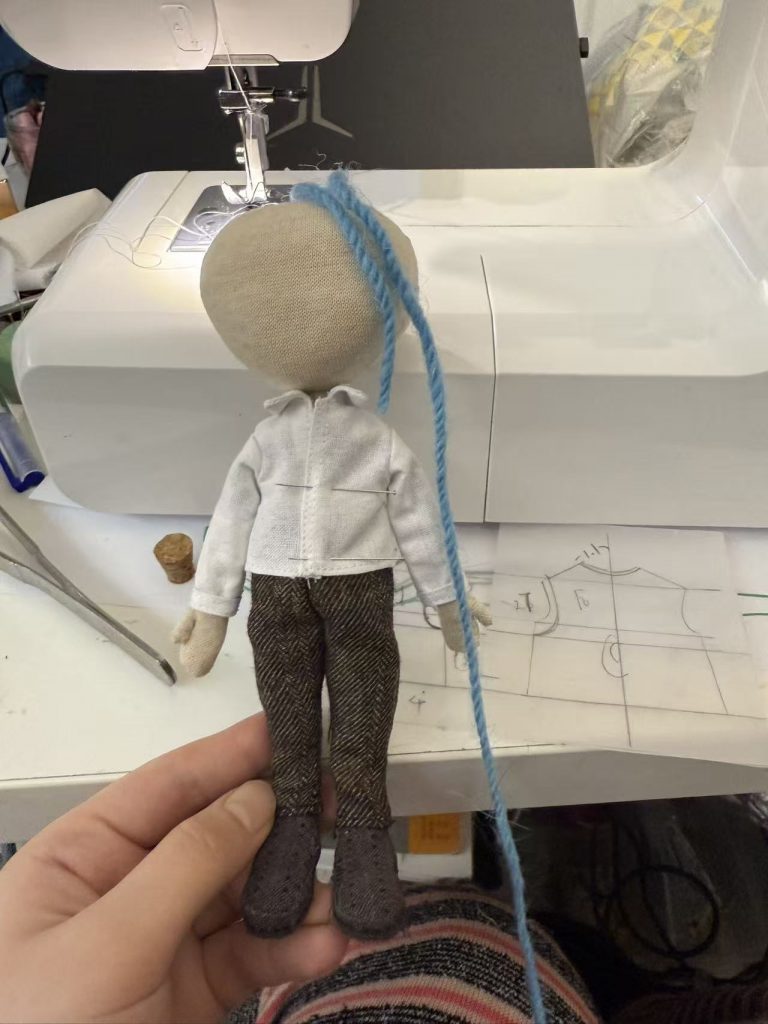
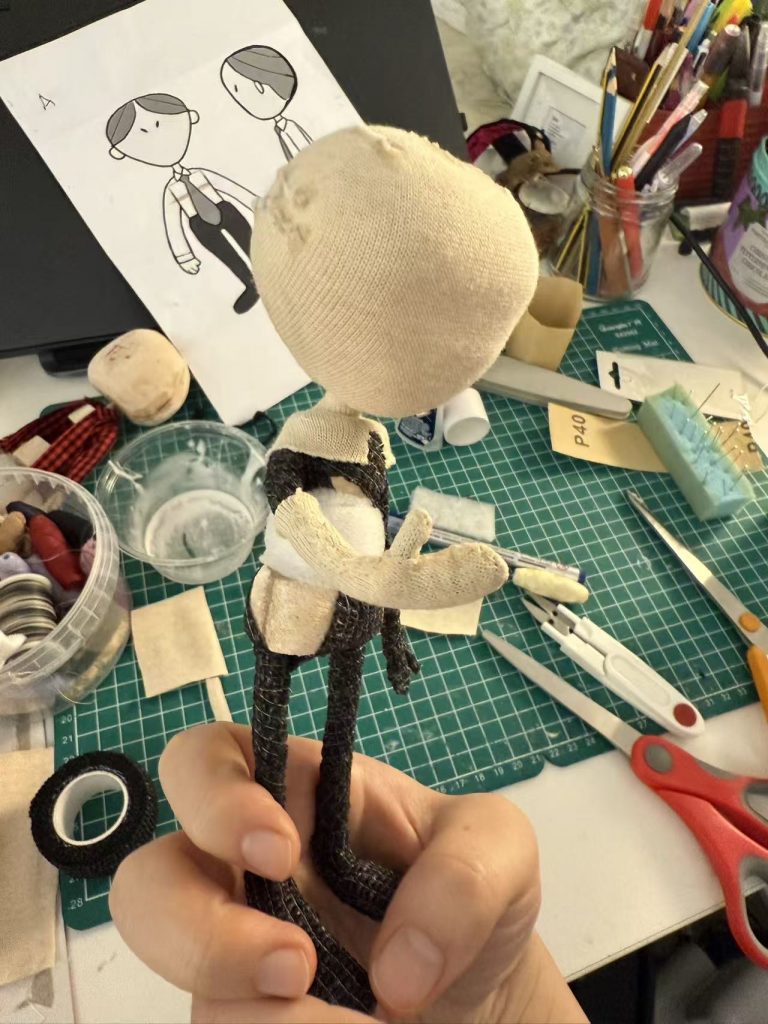
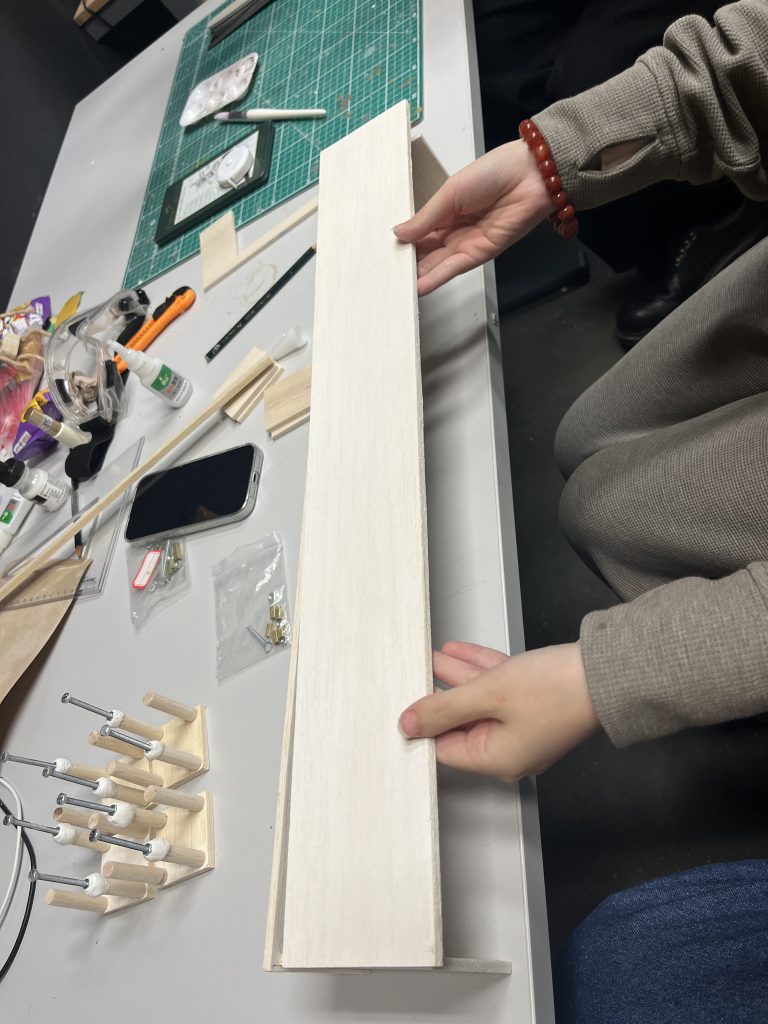
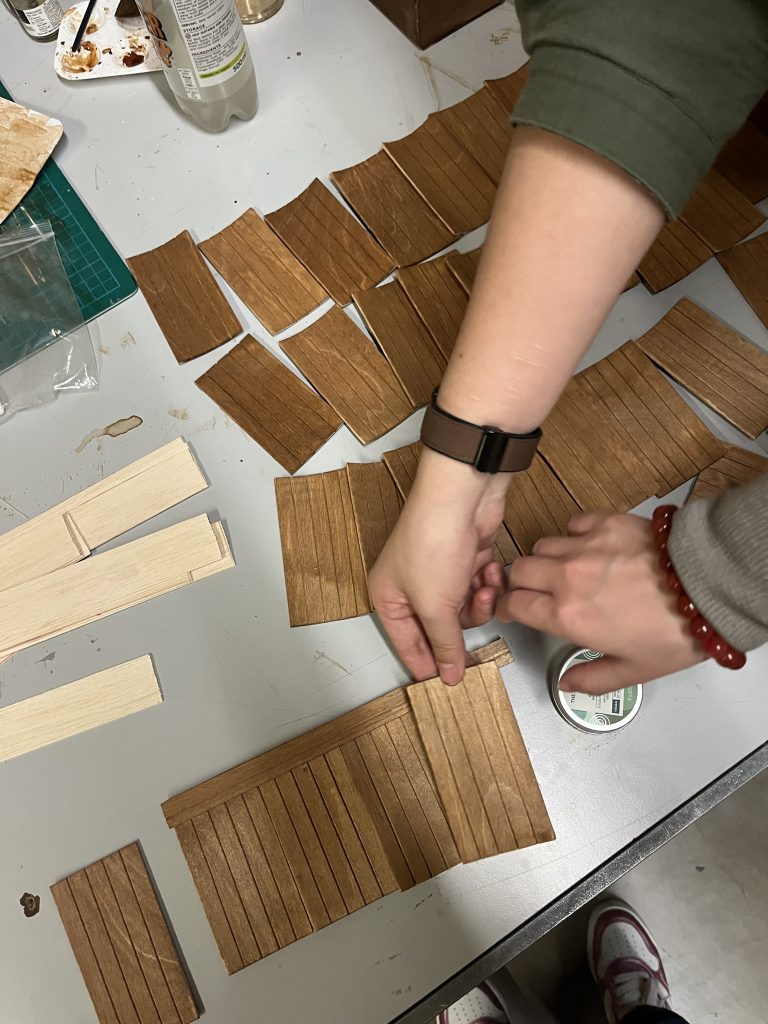
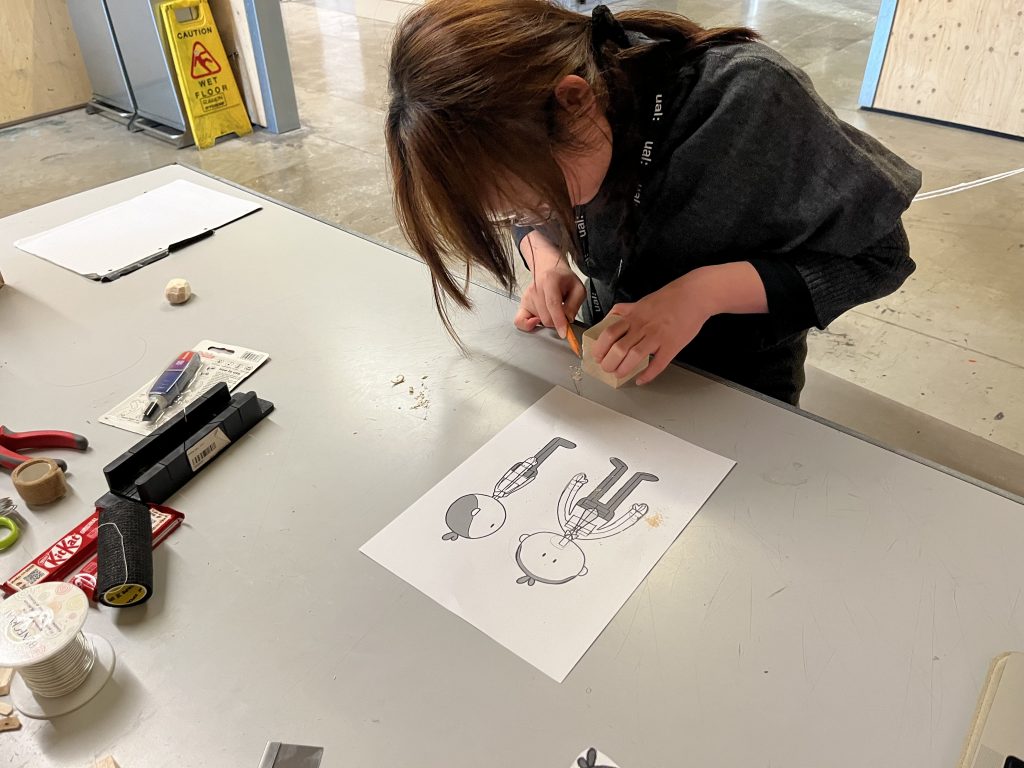
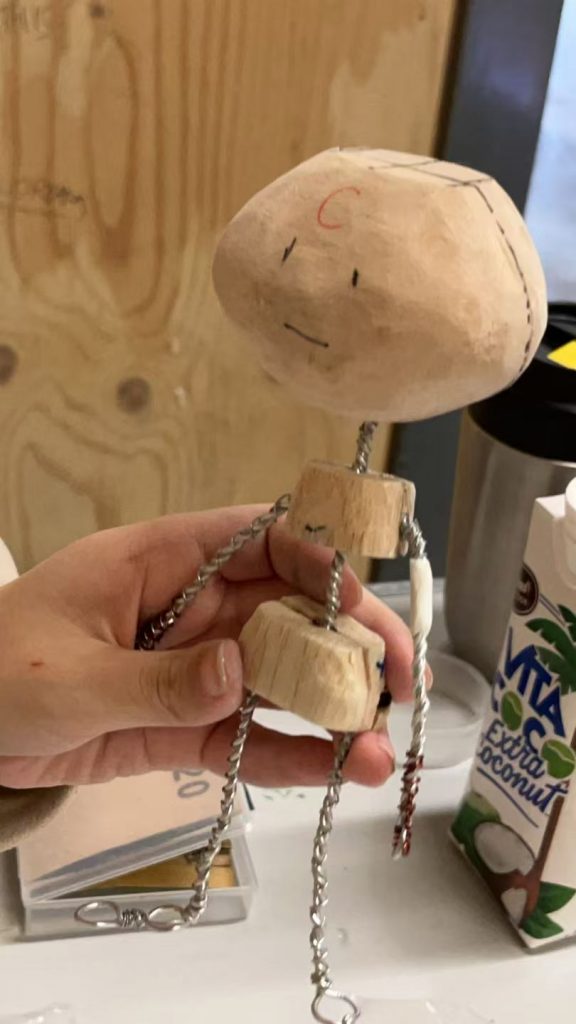
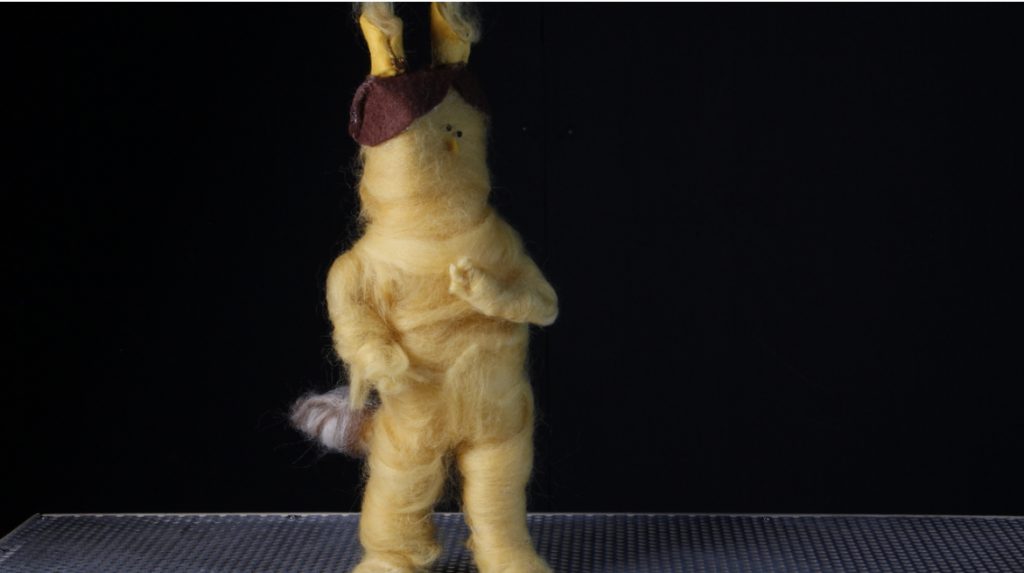
During my collaboration with the Year 2 students, most of the pre-production work had already been completed when I joined the group. My main responsibility was prop making, particularly building puppets and arranging the set. I considered my role to be that of a prop maker, and I consistently documented the group’s production process. Through this experience, I learned many practical technical tips. Working together every week to push the project forward made me feel very fulfilled. I was proactive in the group, and the director was very pleased with my participation and contributions, allowing me to take part in the development of the main characters and important scenes.
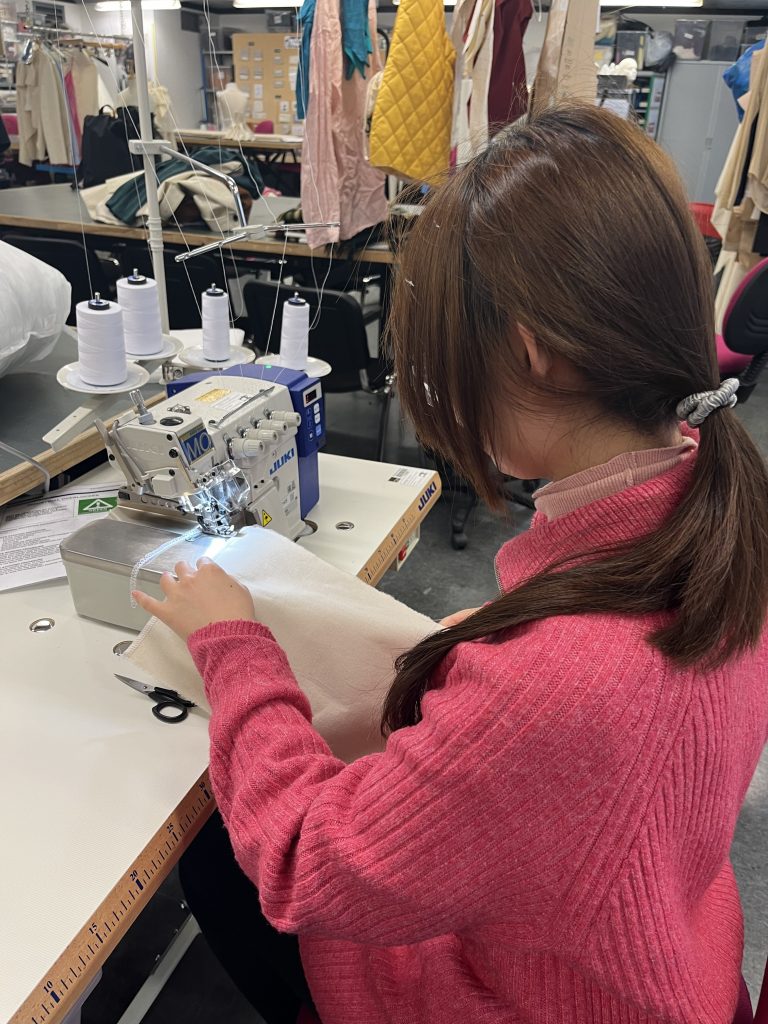
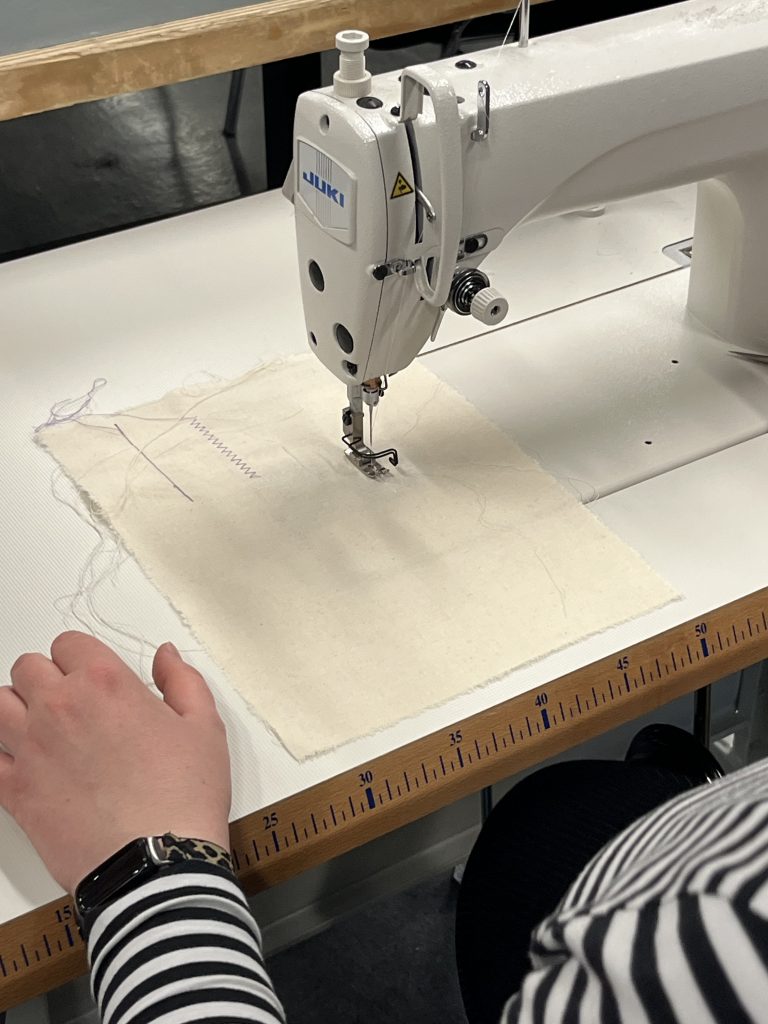
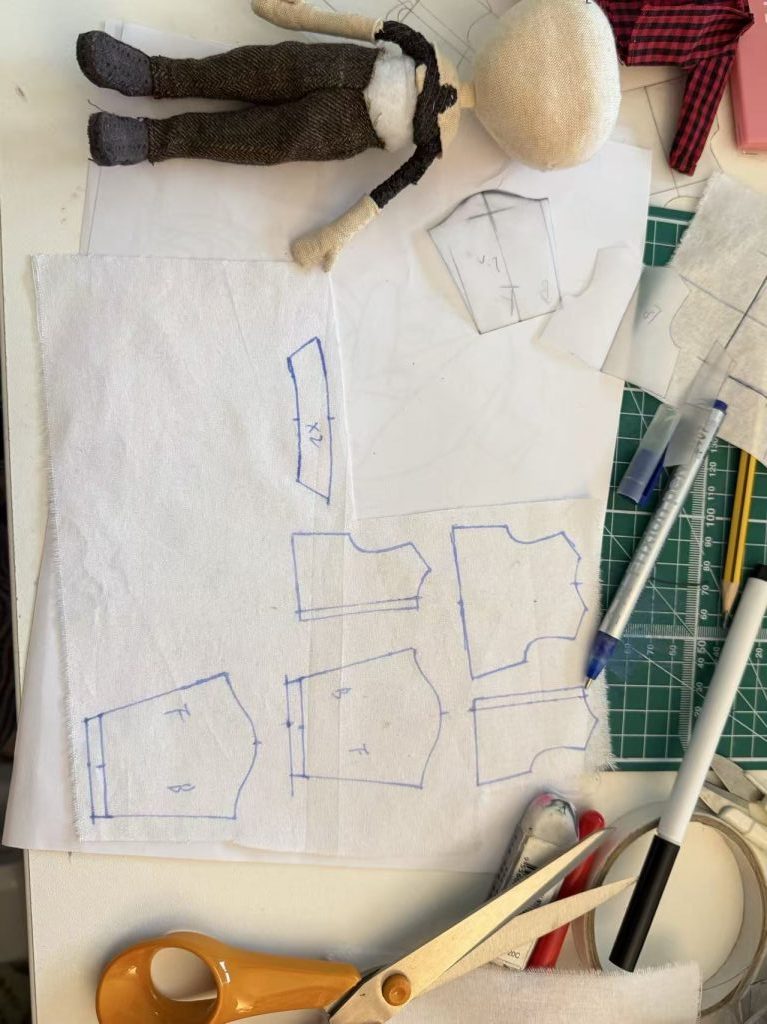
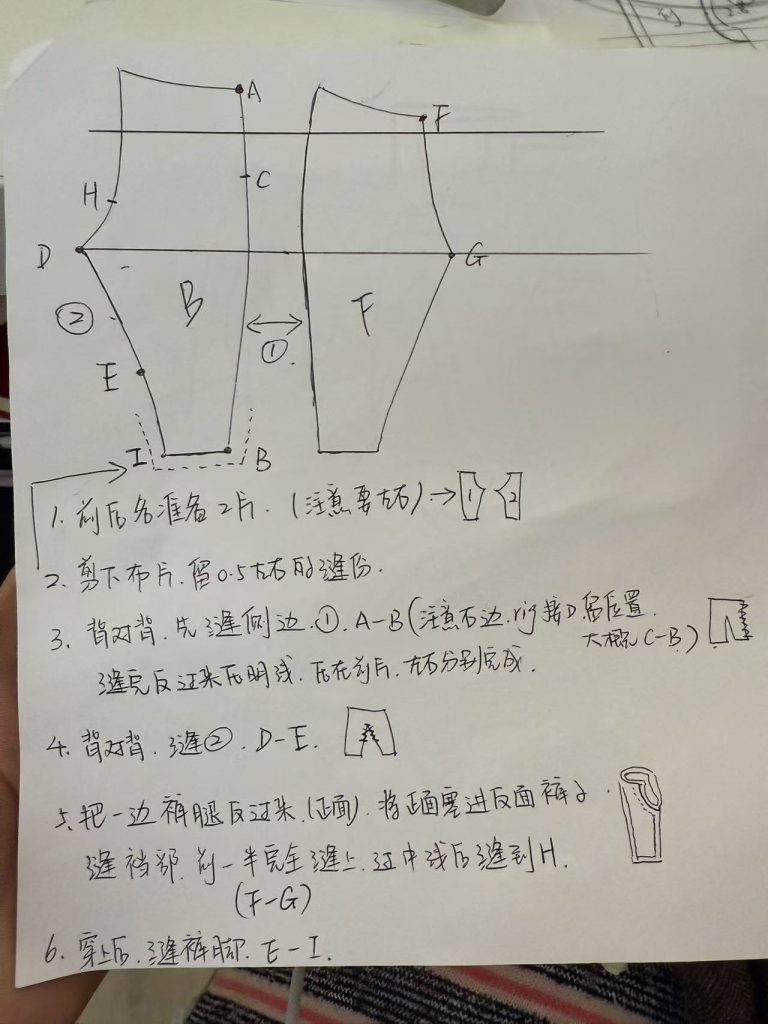
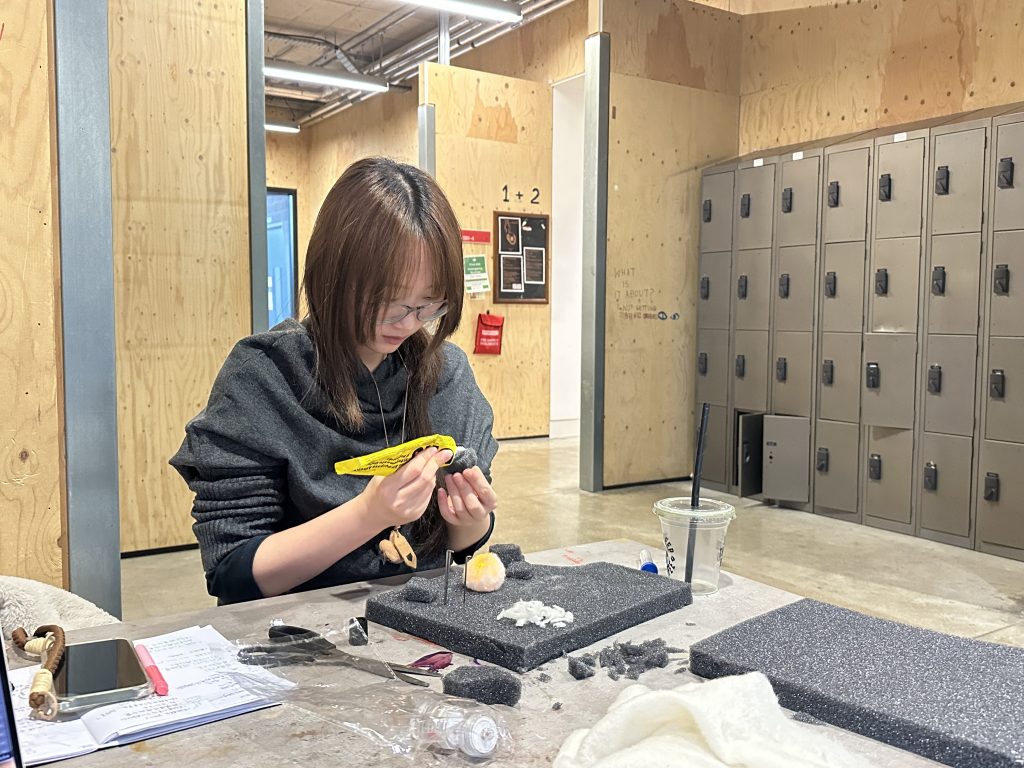
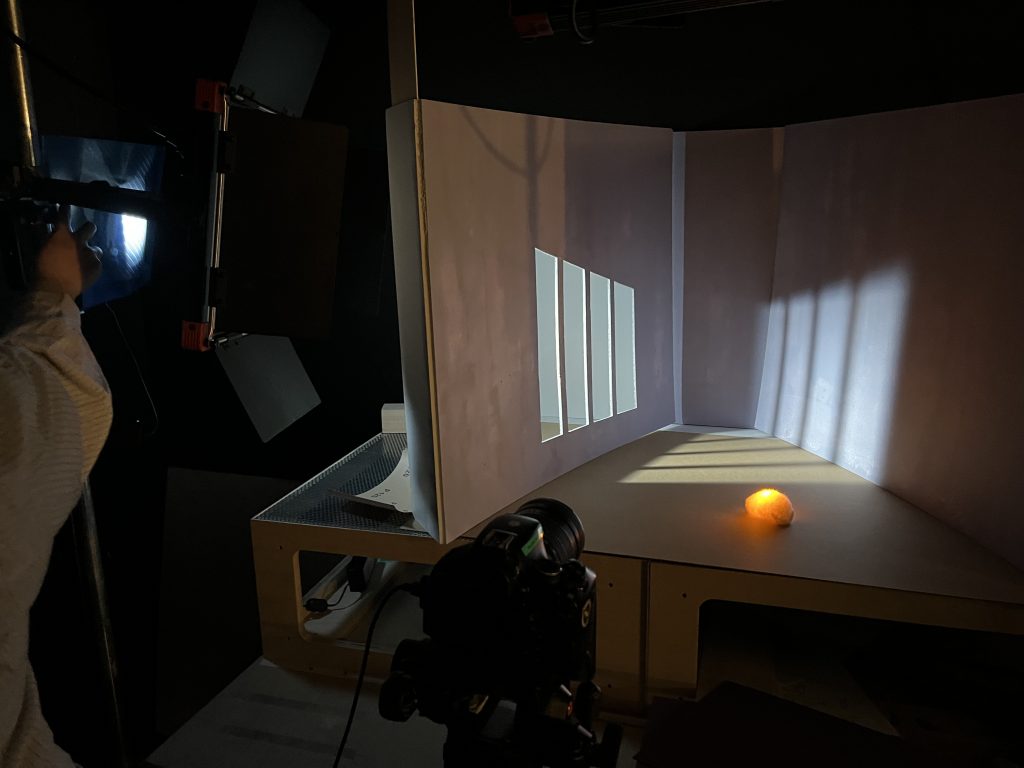
In addition to making props, I also provided materials for testing different textures and surfaces. I contributed ideas to several aspects of the project, including NPC character design, puppet proportion adjustments, storyboard revisions, set floor plan adjustments, lighting arrangements for the filming set, and prop material experiments. I also provided live-action references for NPC characters. During the NPC design process, I conducted some research on how different materials could be used to create hair in order to help adjust the side silhouette and proportions of the puppets. Furthermore, I participated in a costume-making induction with the Year 2 students, where I learned the functions of different sewing machines and gained the ability to make clothes for puppets.
(Me in the costume making induction and making clothes)
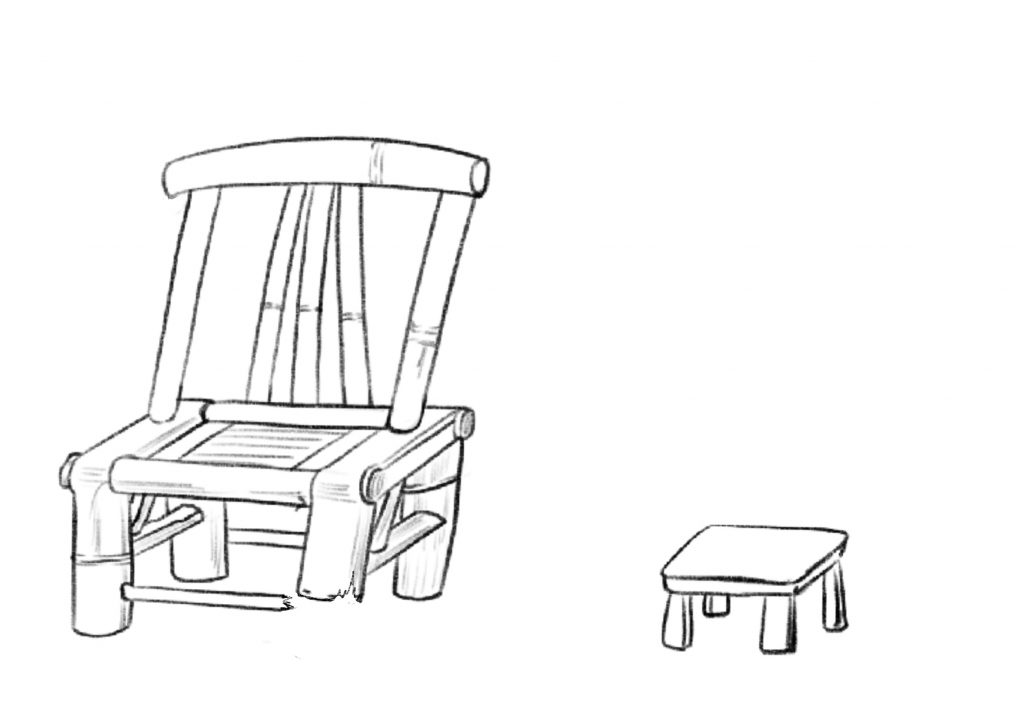
(furniture making)
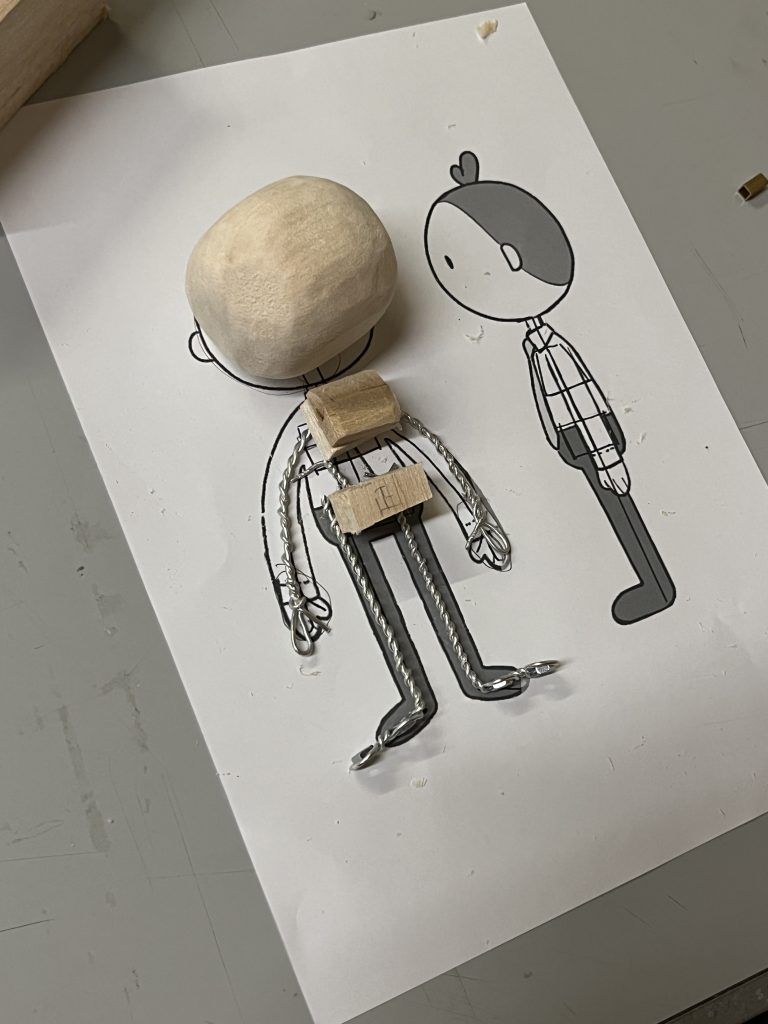
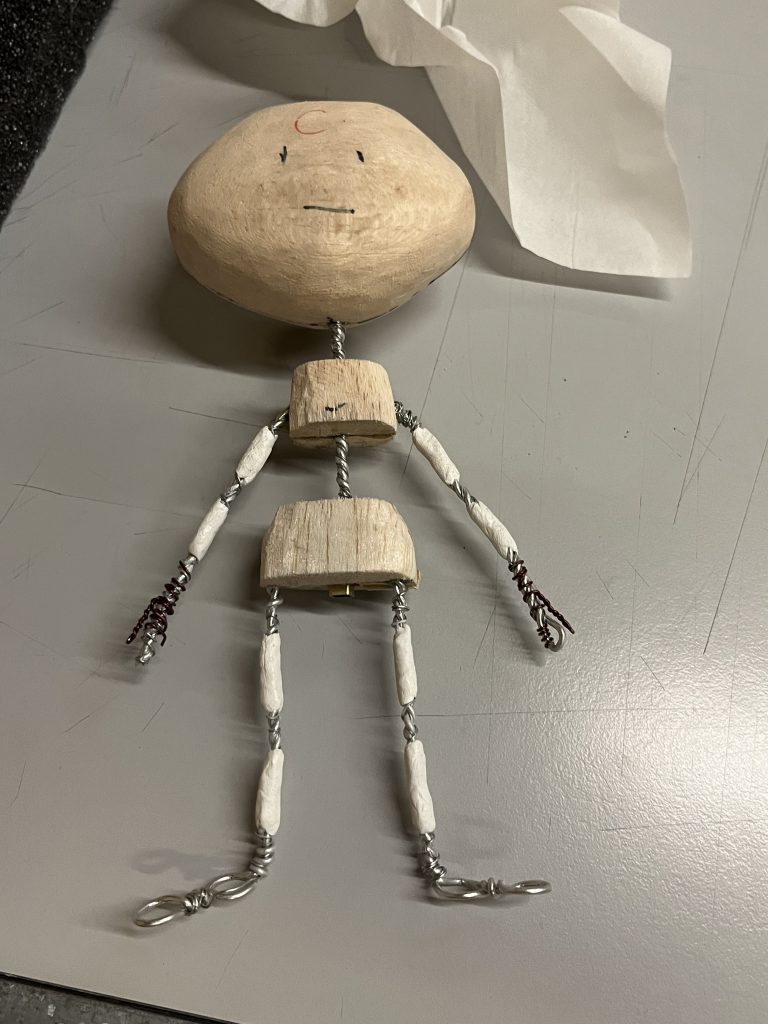
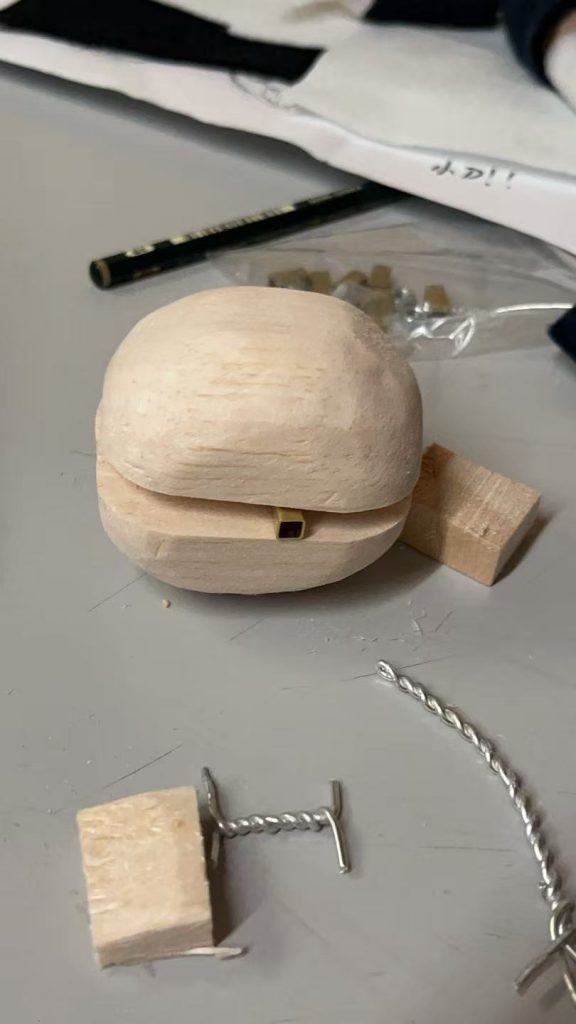
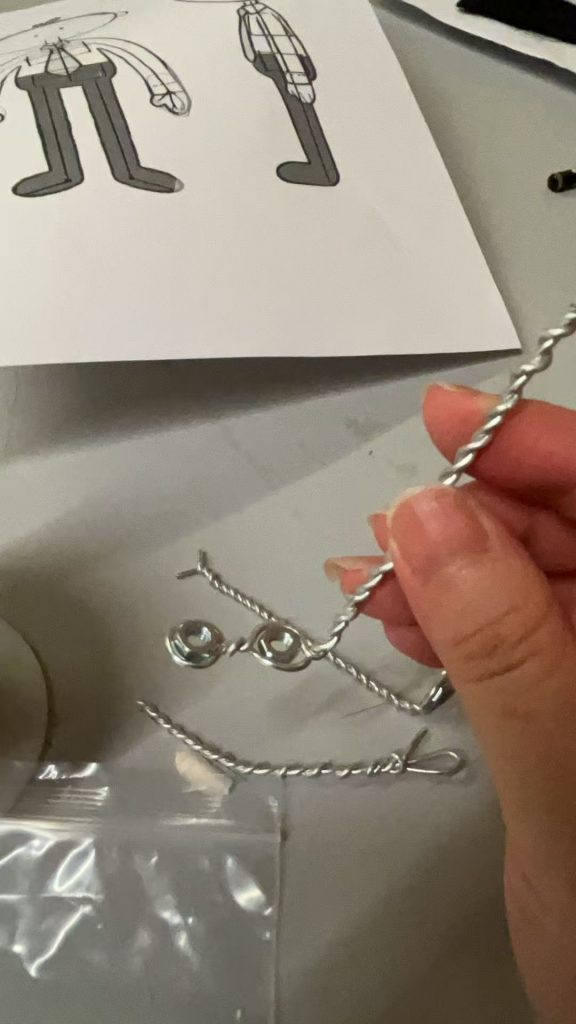
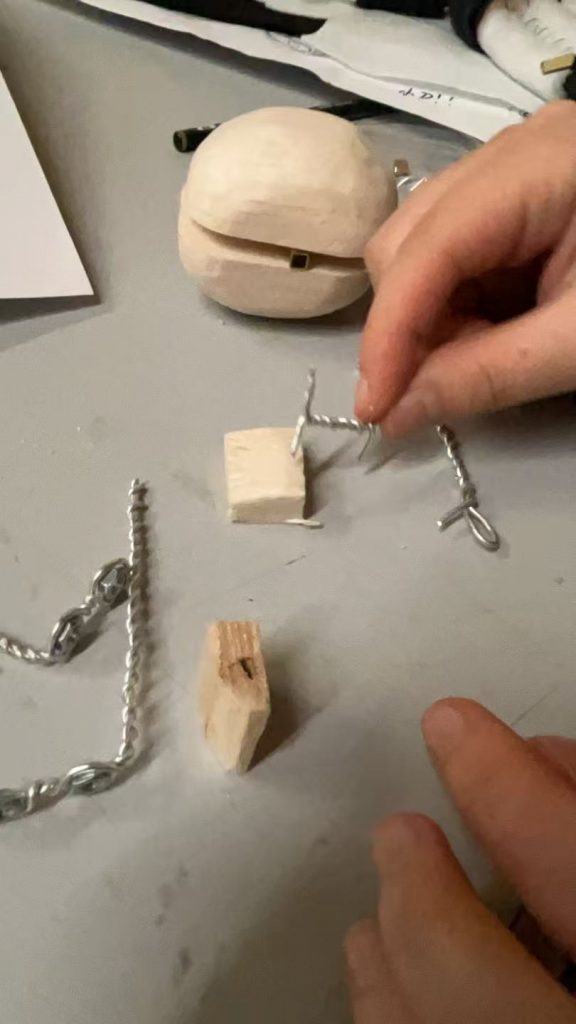
(puppet making)
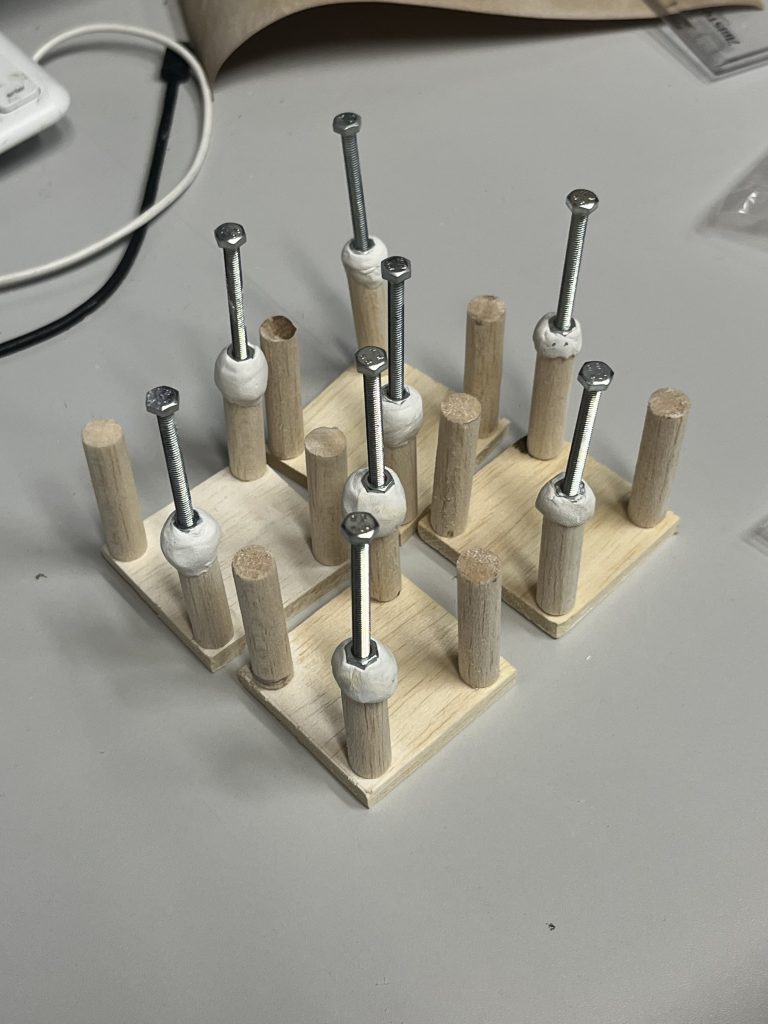
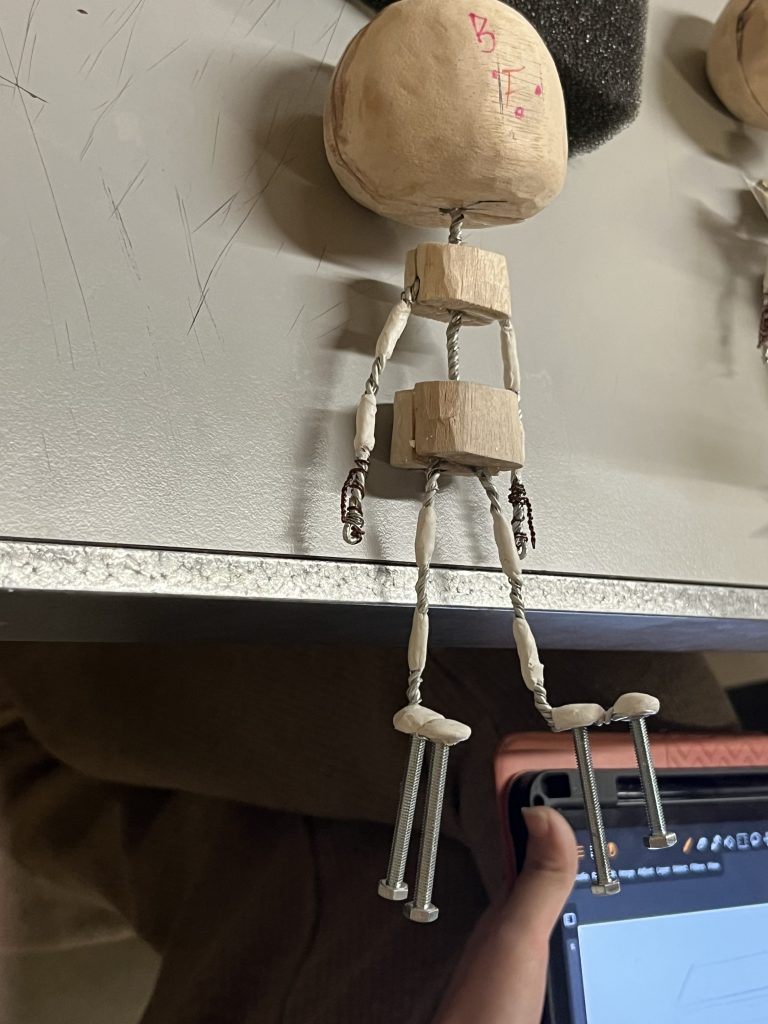
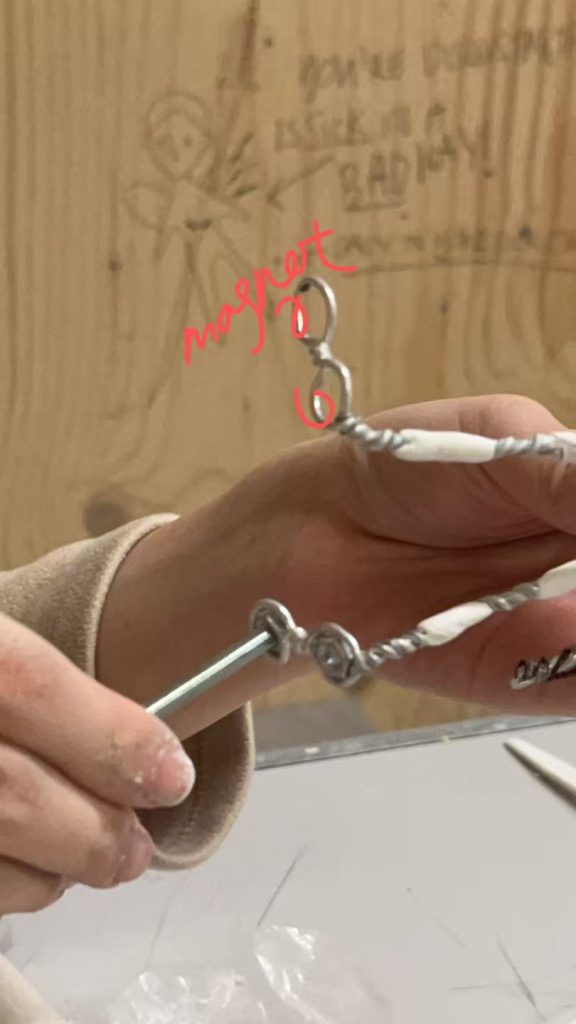
The knowledge I gained in the pathway course also provided a strong foundation for puppet making, while the Year 2 students taught me how to further modify the puppets to improve their mobility. For example, I previously only used magnets to fix the puppet’s feet in position. Now I have learned to replace the magnets with long screws, fixing them into the feet using Milliput and glue. This allows the puppet to perform anti-gravity actions such as lifting its legs or falling during filming without losing balance.
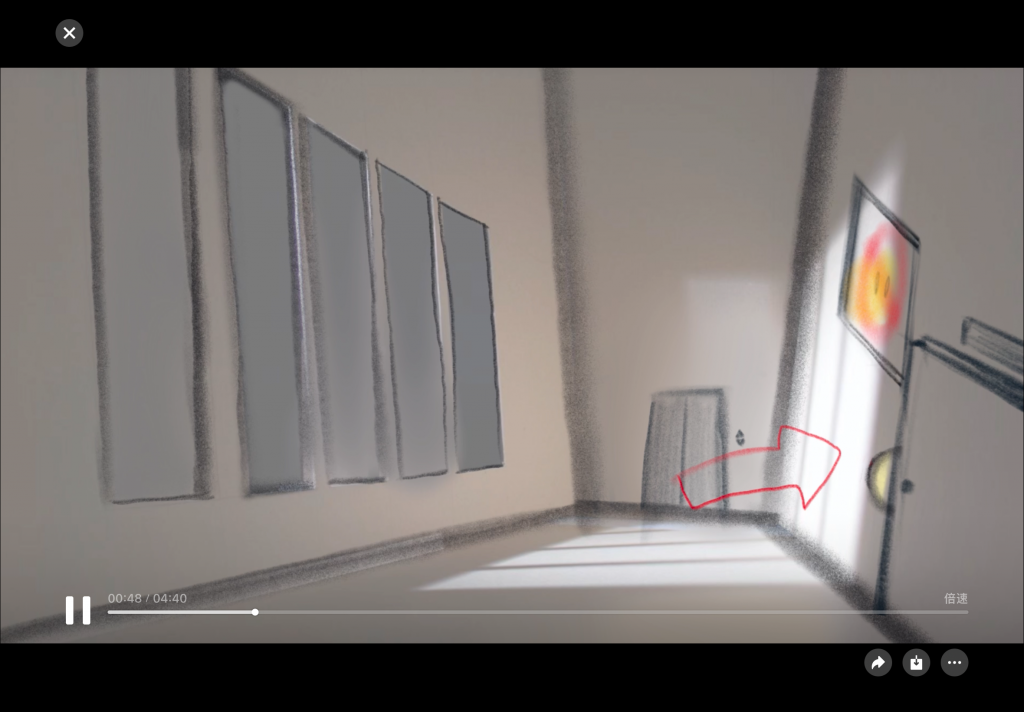
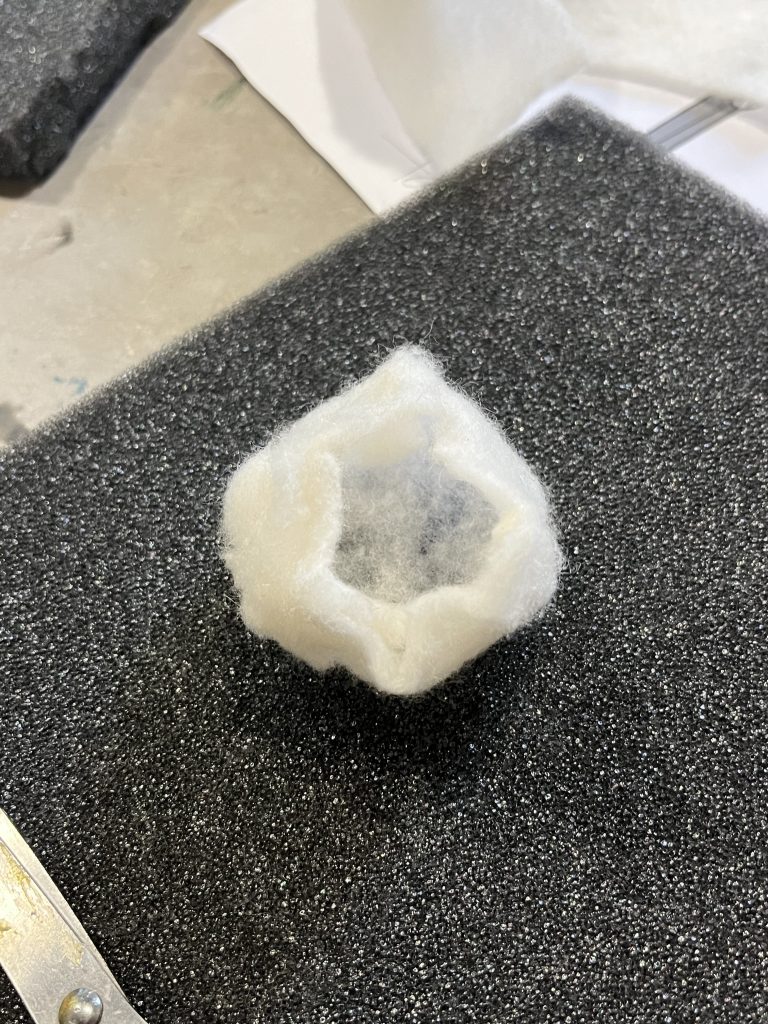
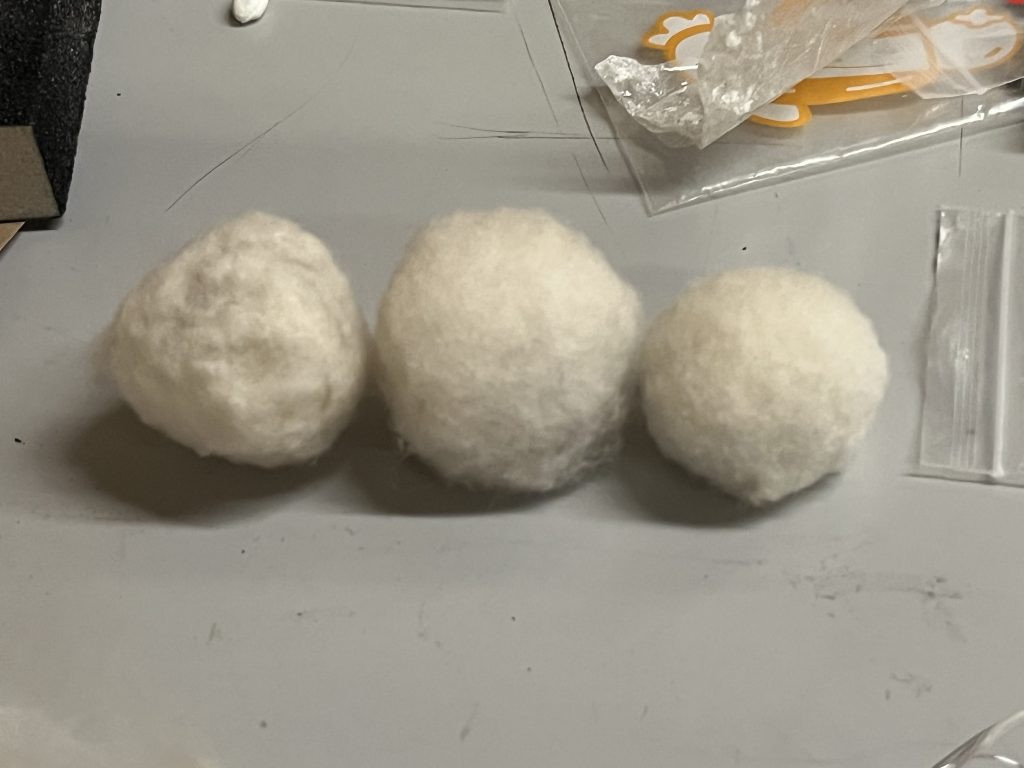
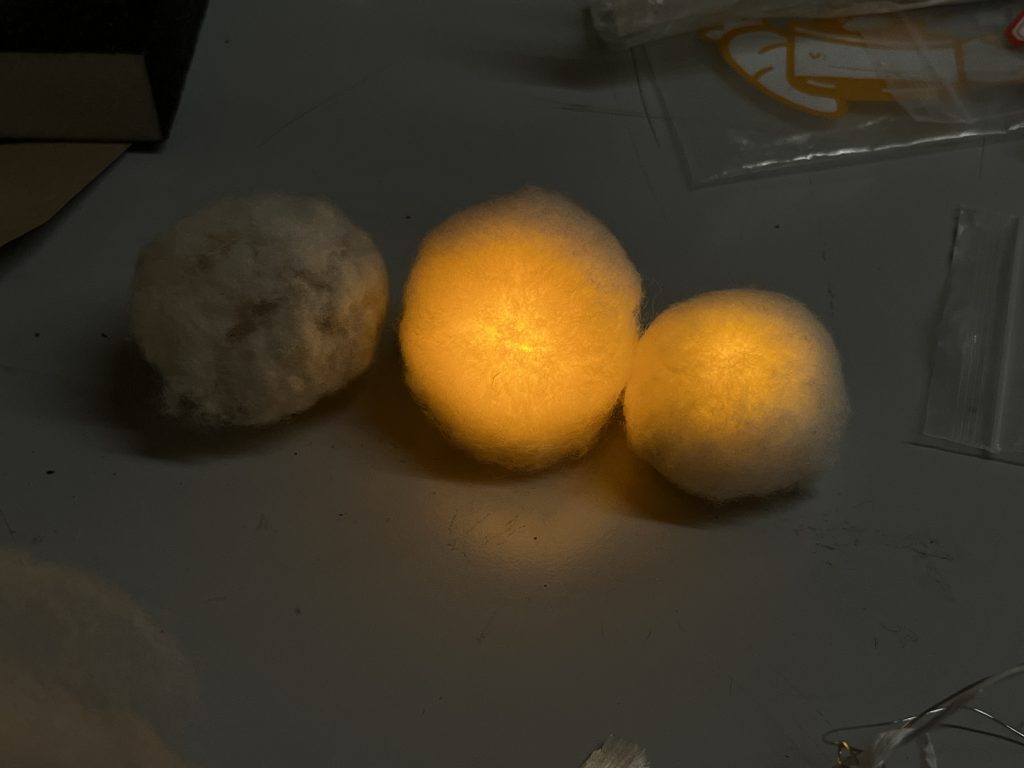
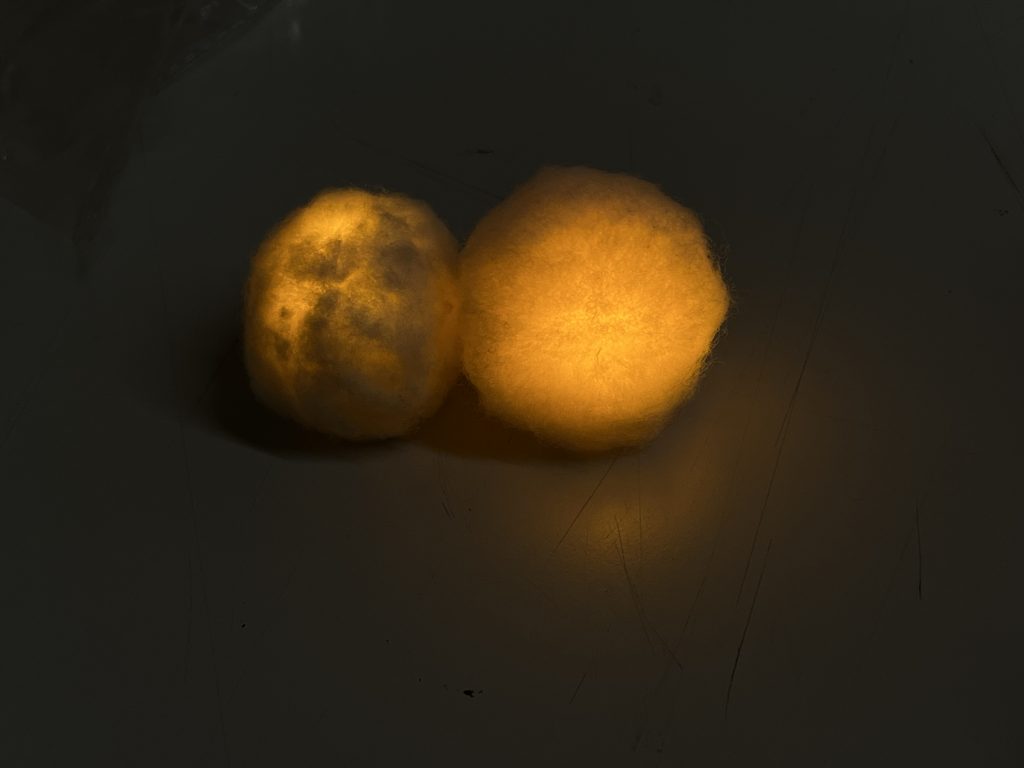
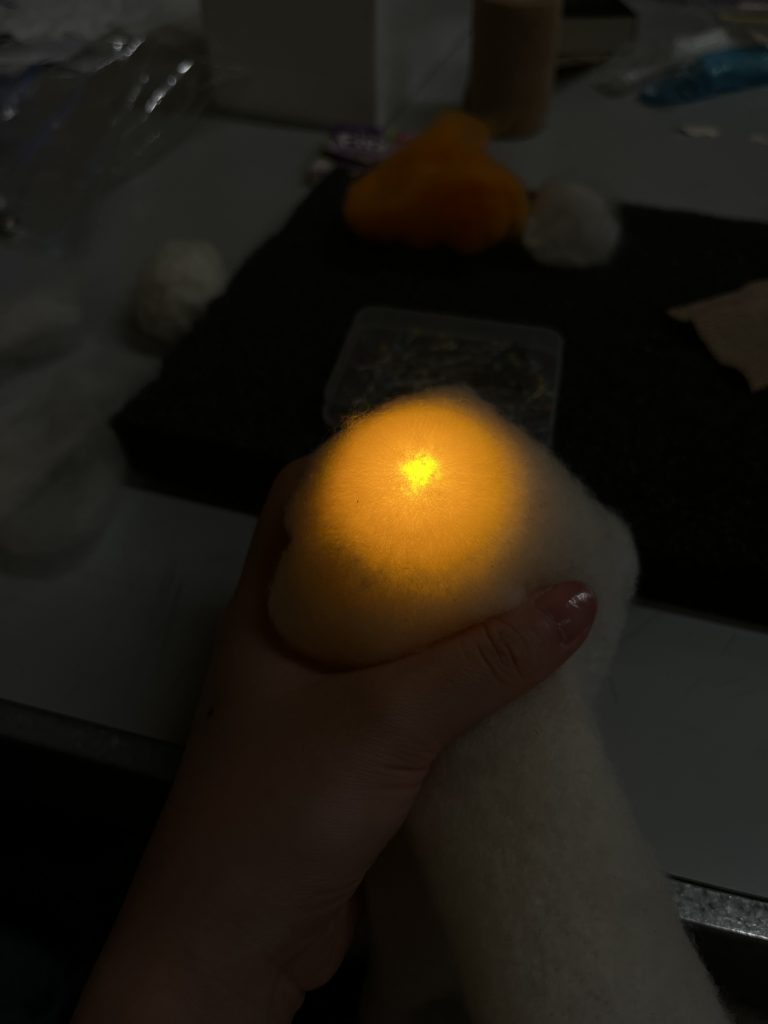
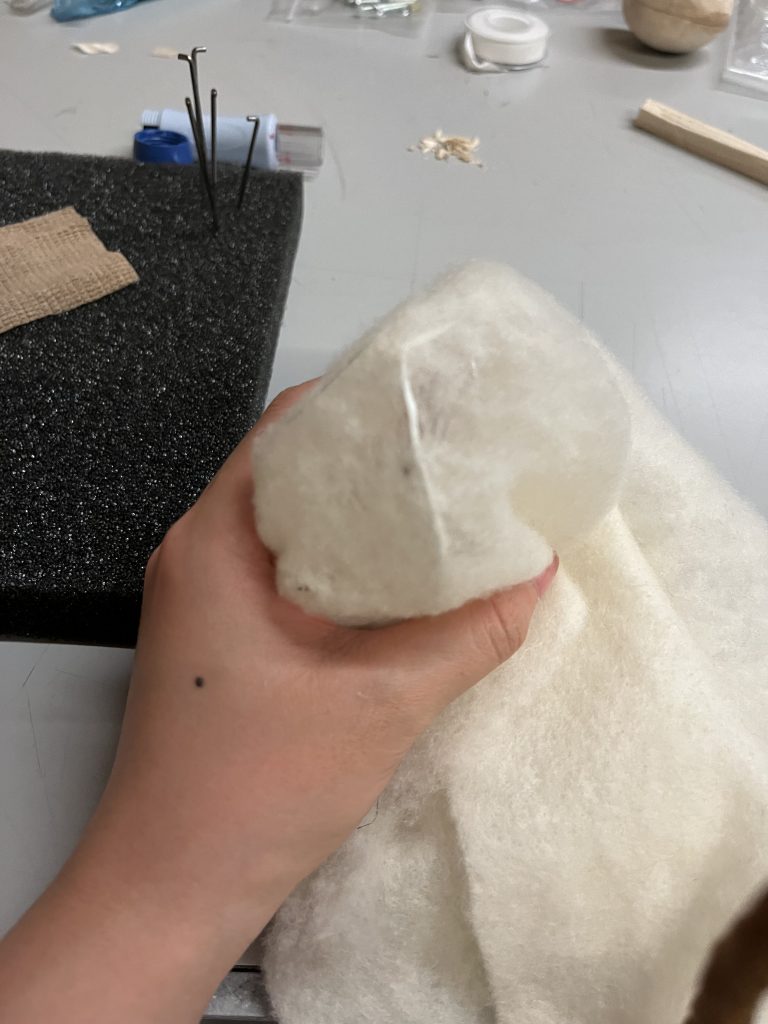
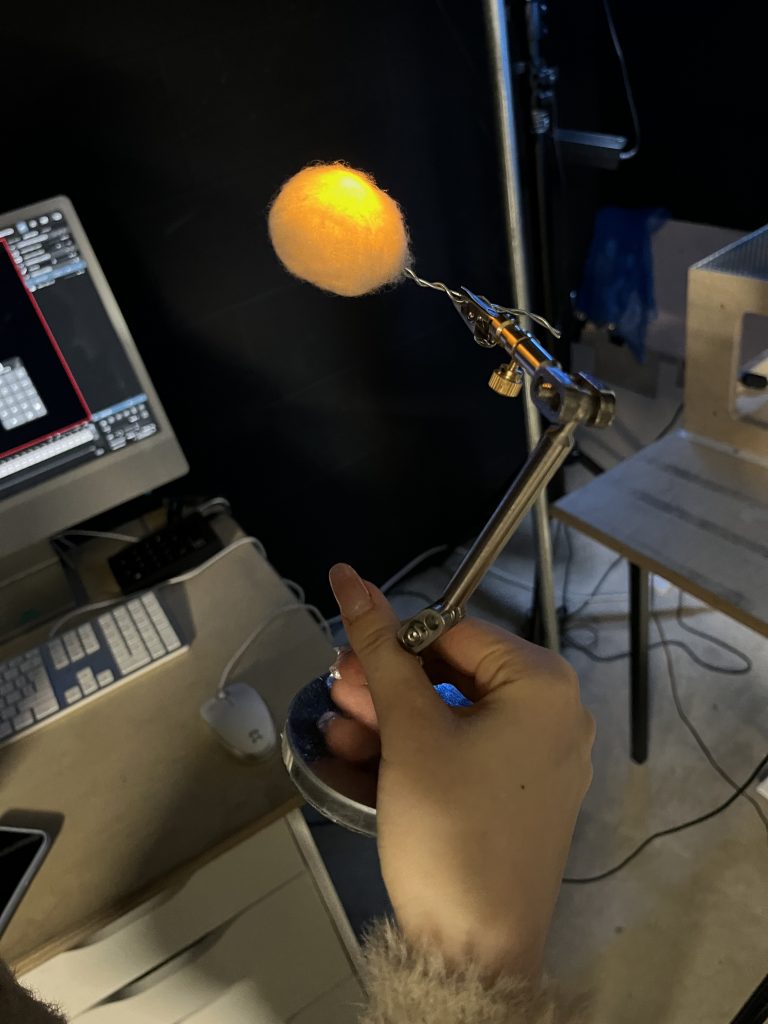
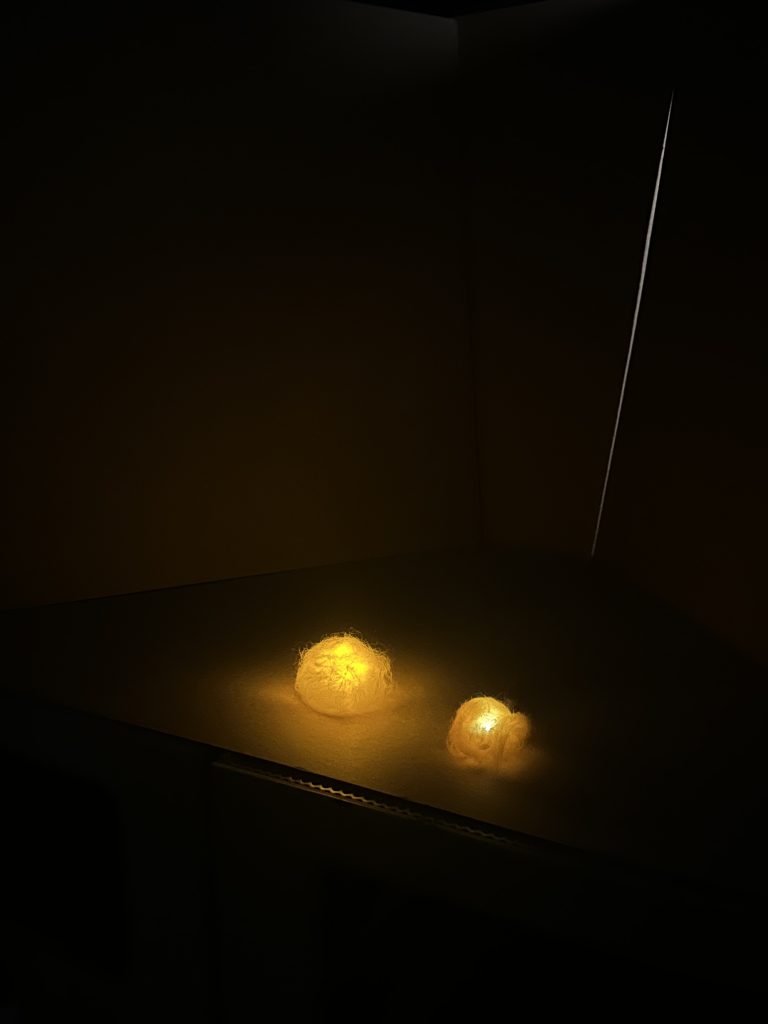
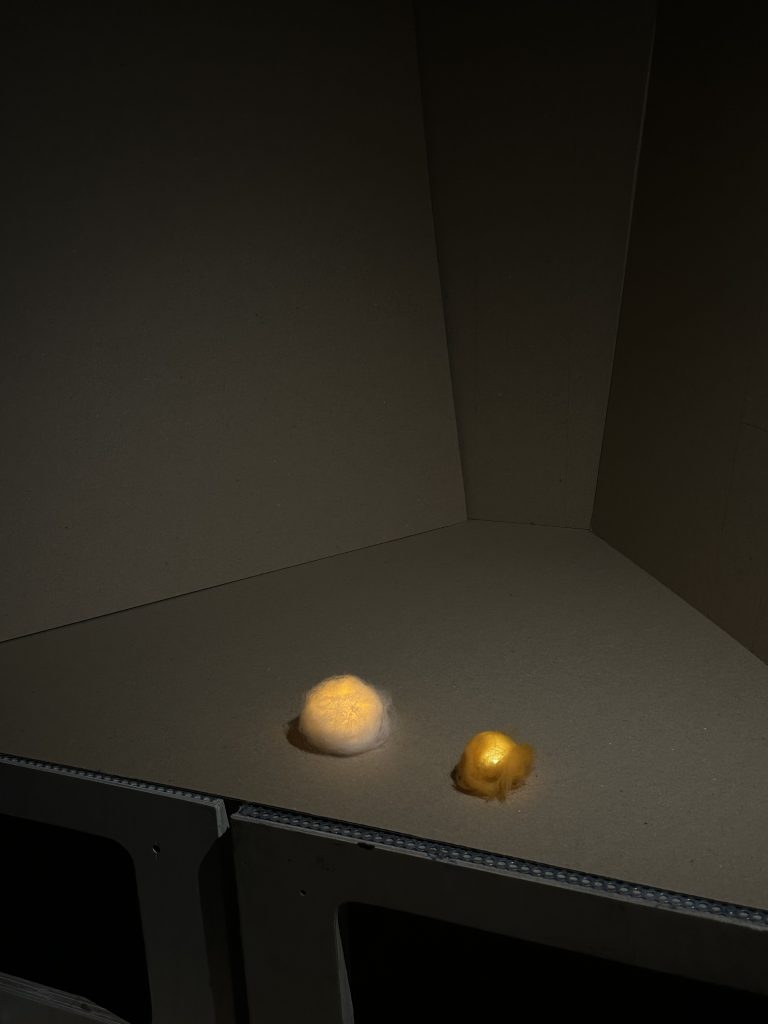
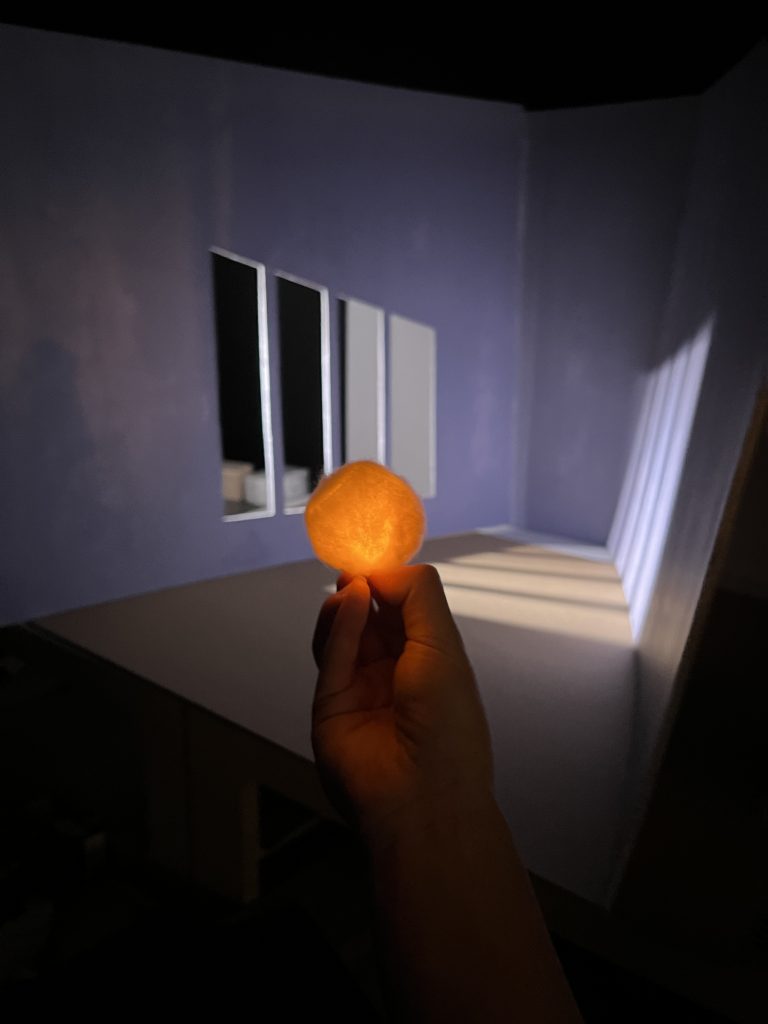
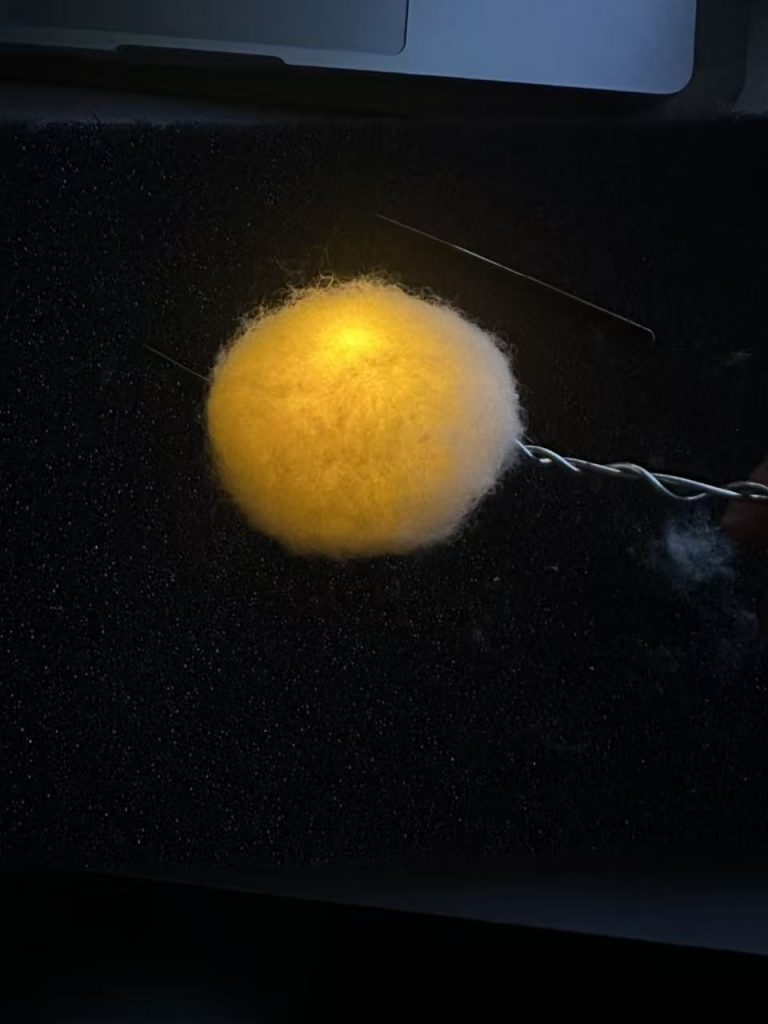
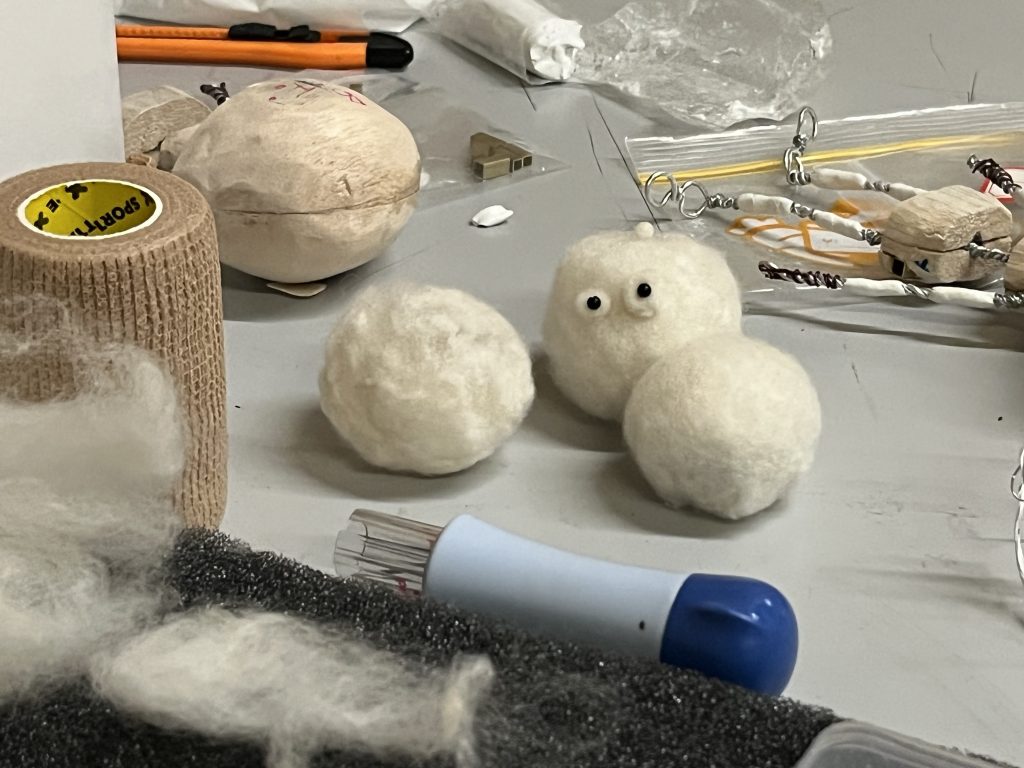
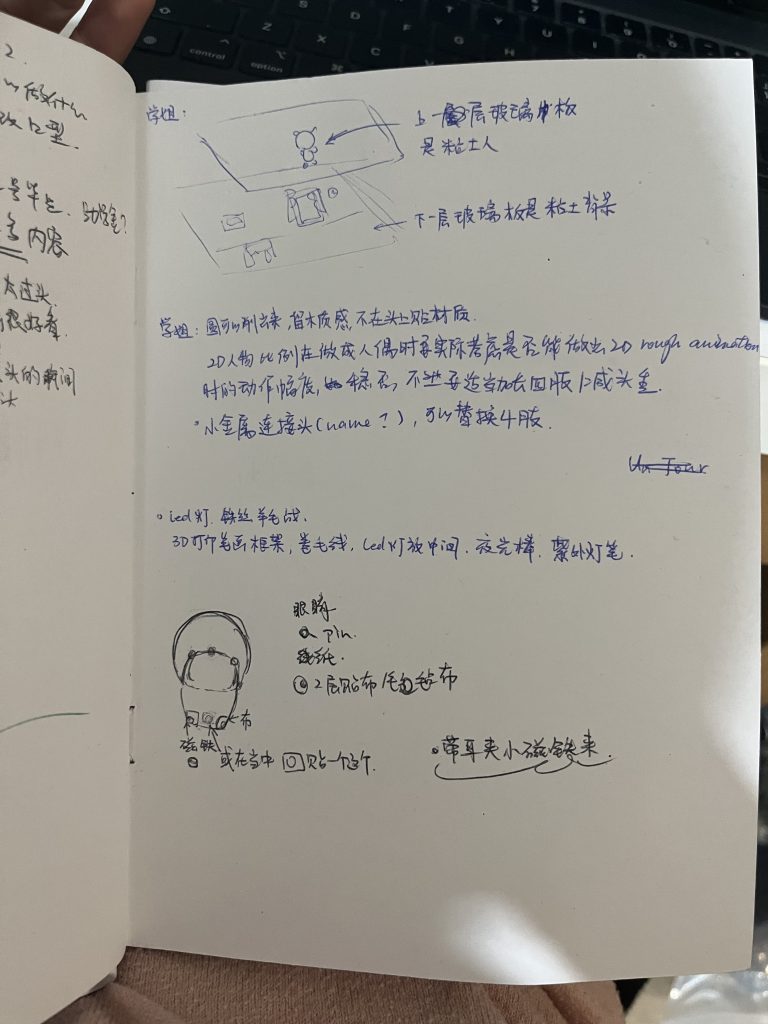
I explored several methods for creating a glowing sphere and considered how the light source could be replaced. For example, I experimented with building a frame using a 3D printing pen, wrapping it with yarn, and placing an LED light inside. I also considered using glow sticks or ultraviolet pens. Eventually, I decided to use LED lights, hard wire, and wool felt. I produced three different versions to achieve the most even light diffusion possible. This was the part of the collaboration that gave me the greatest sense of achievement, and both my teammates and I were very satisfied with the final puppet of this main character.
middle one is the final versioniron wire in yarn
(light testing)
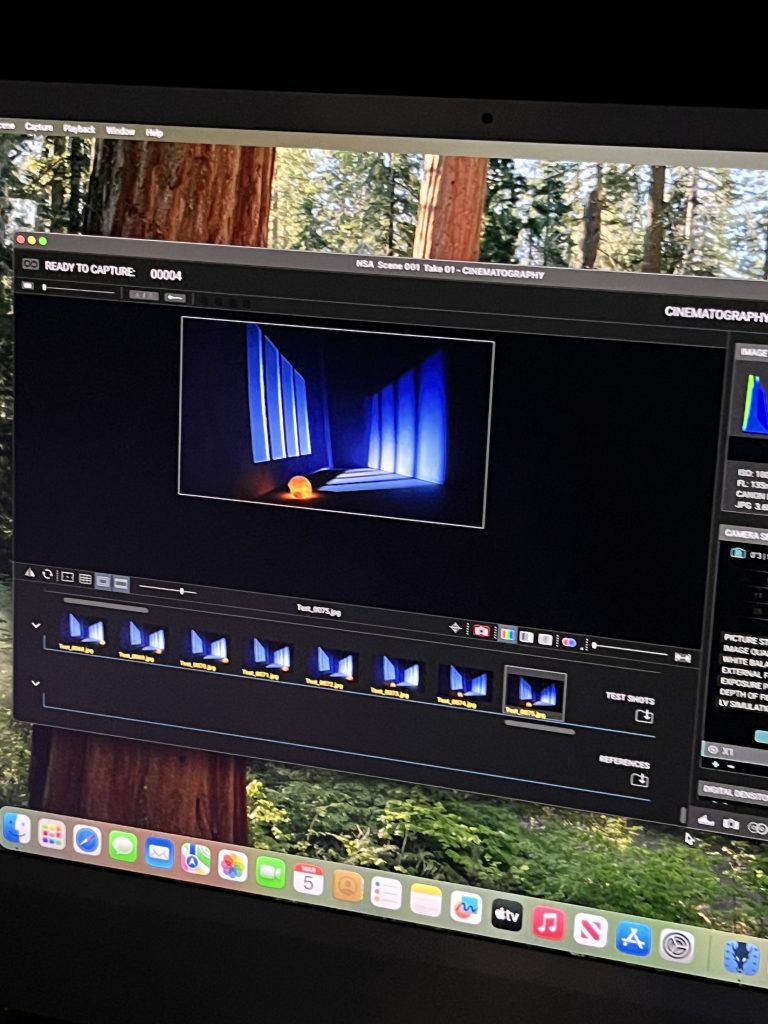
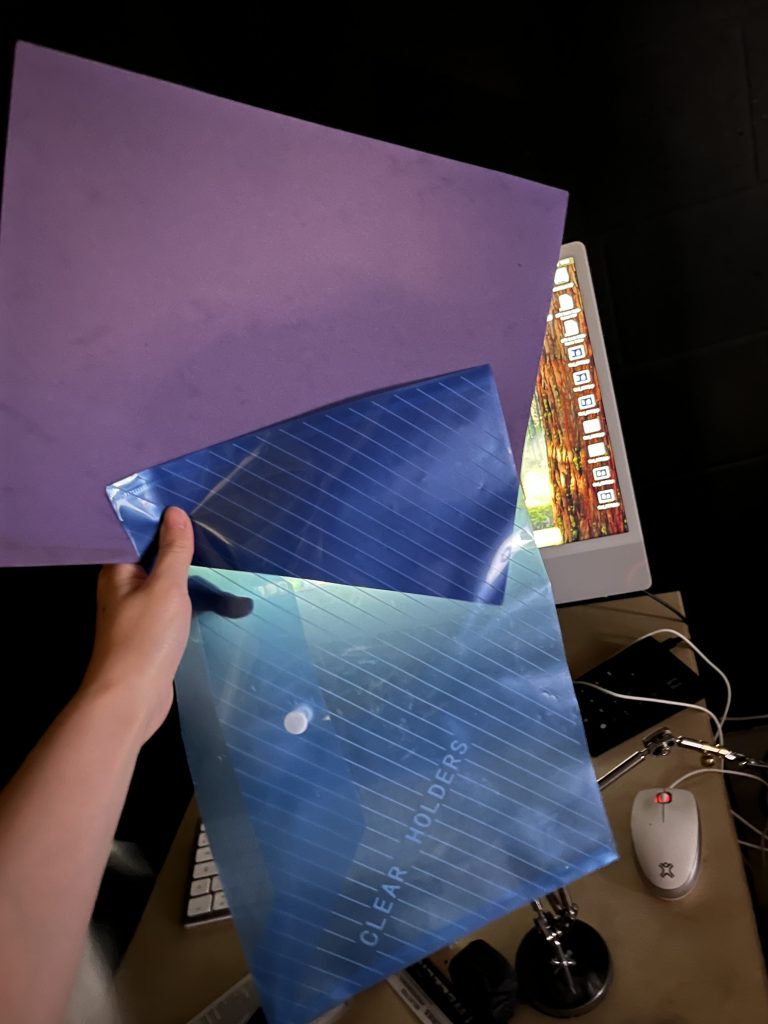
use these to make coloured light
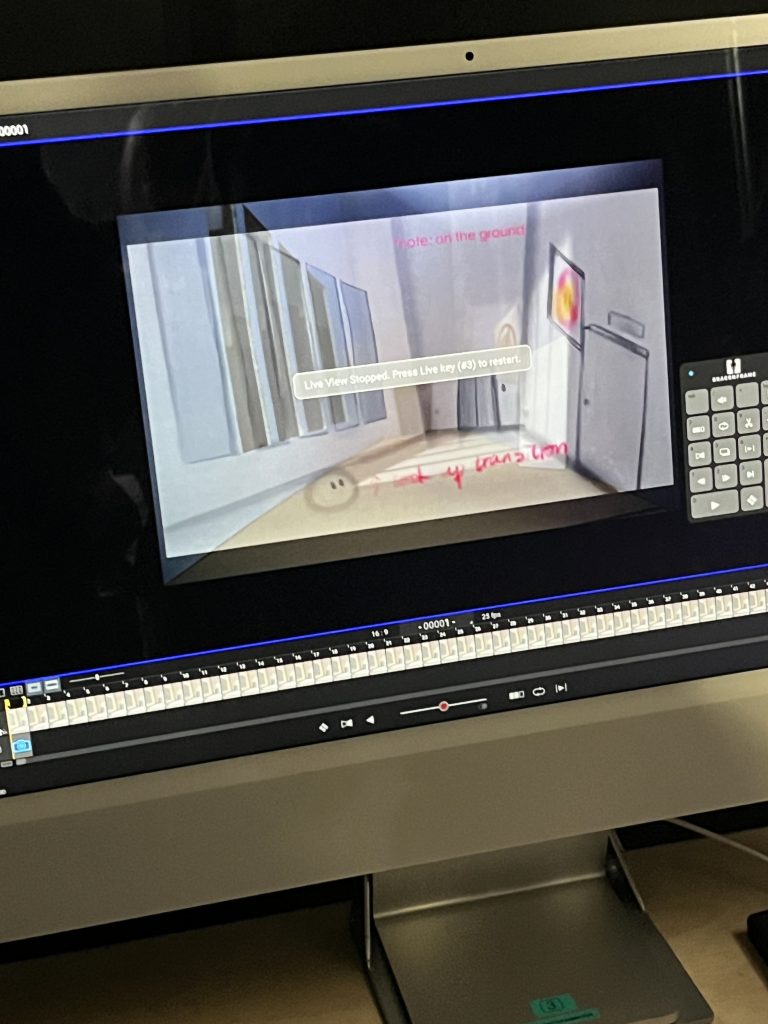
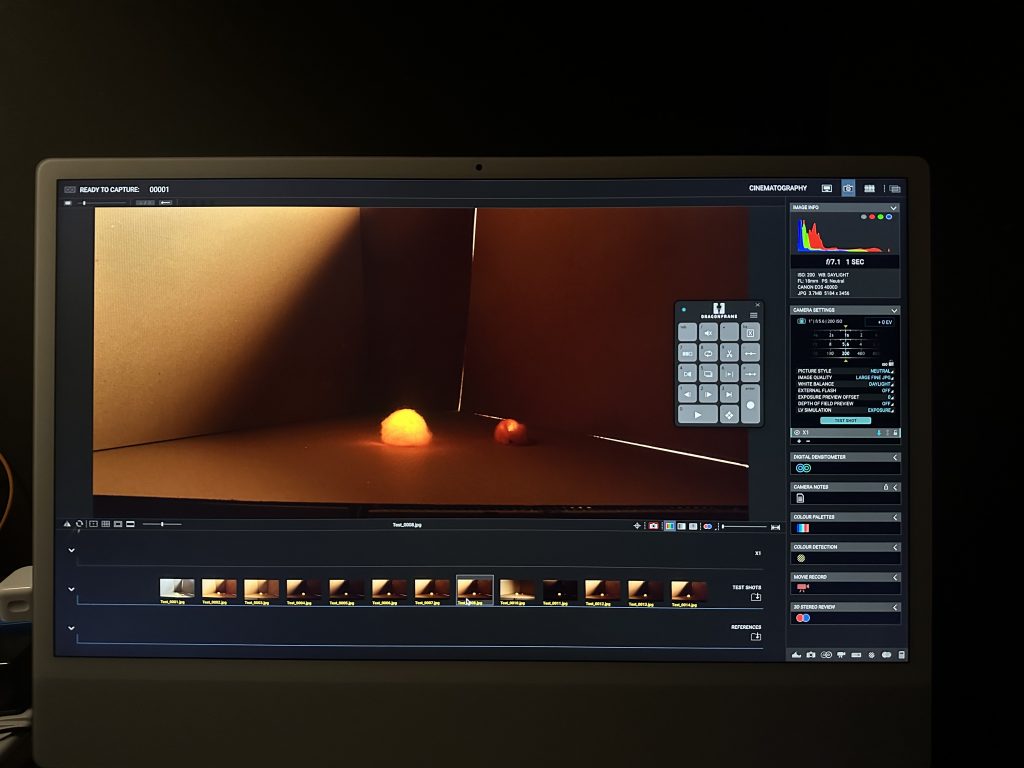
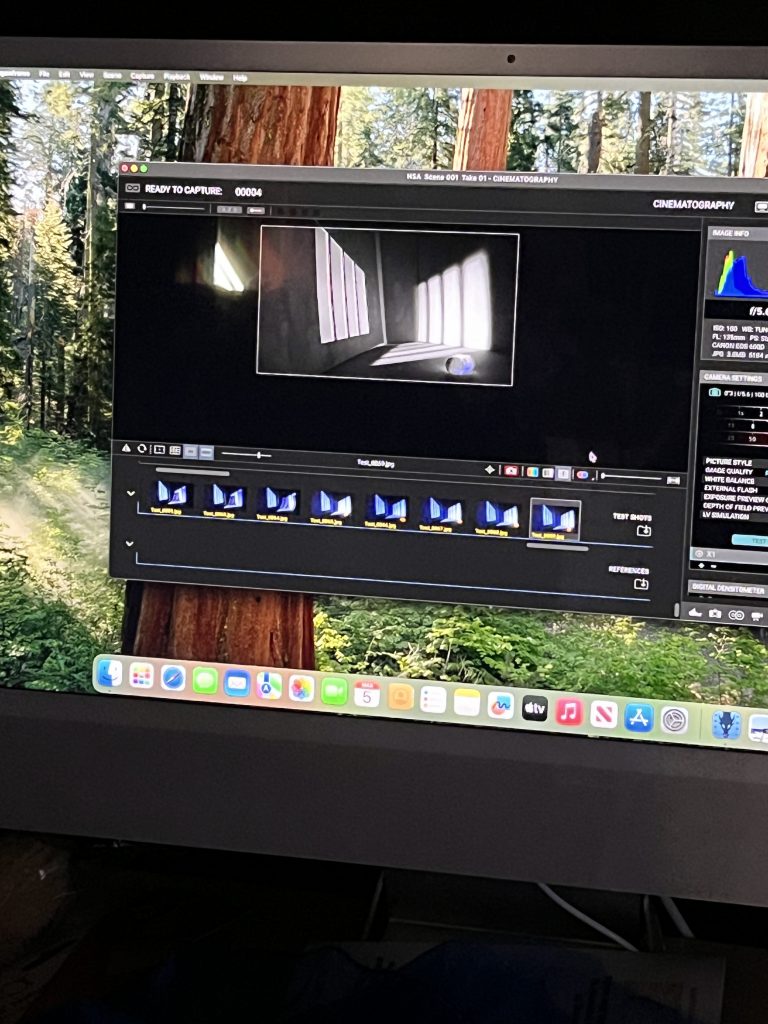
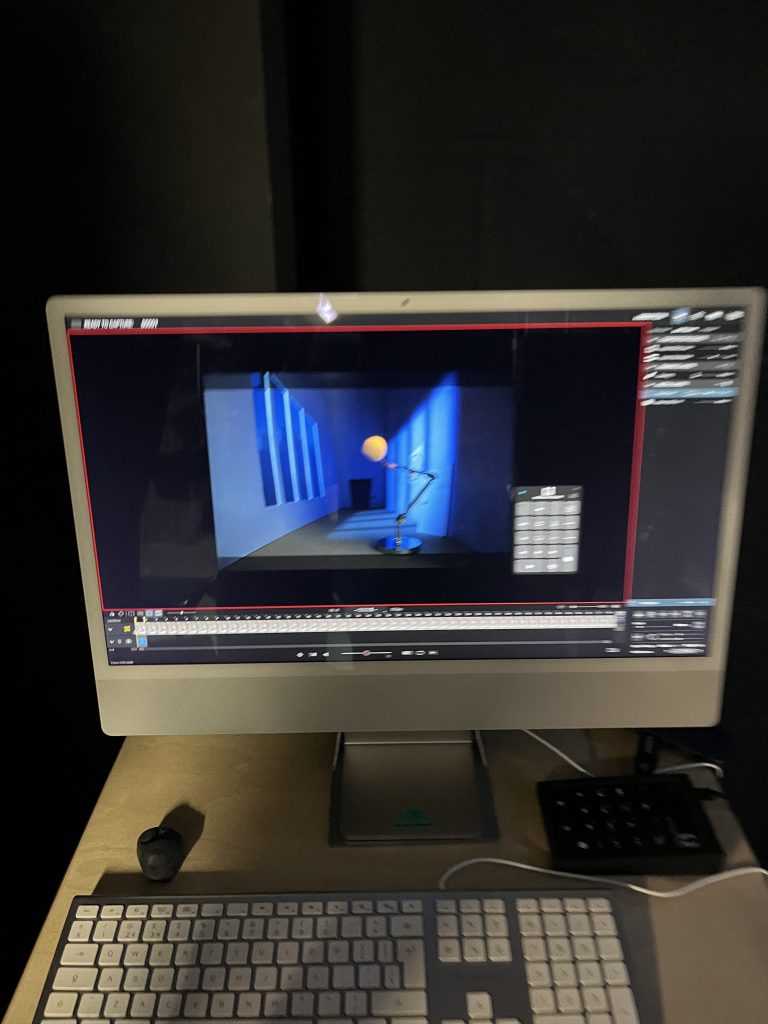
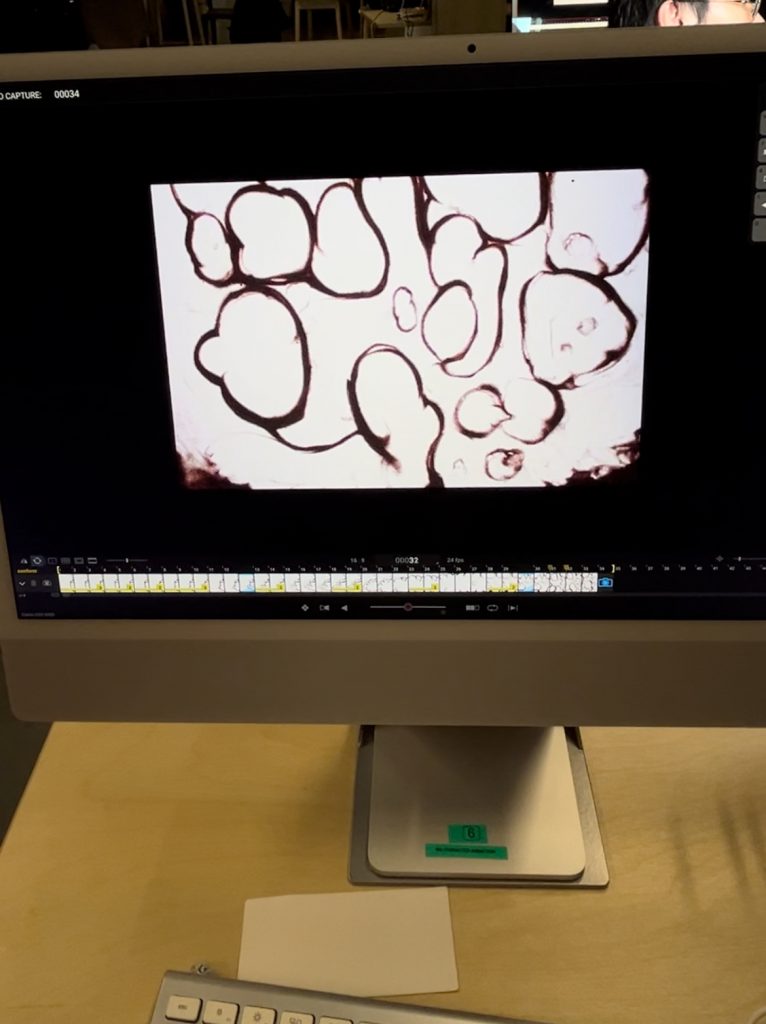
We also noticed the exposure issue in the stop-motion animation software, and it was resolved after these three attempts.
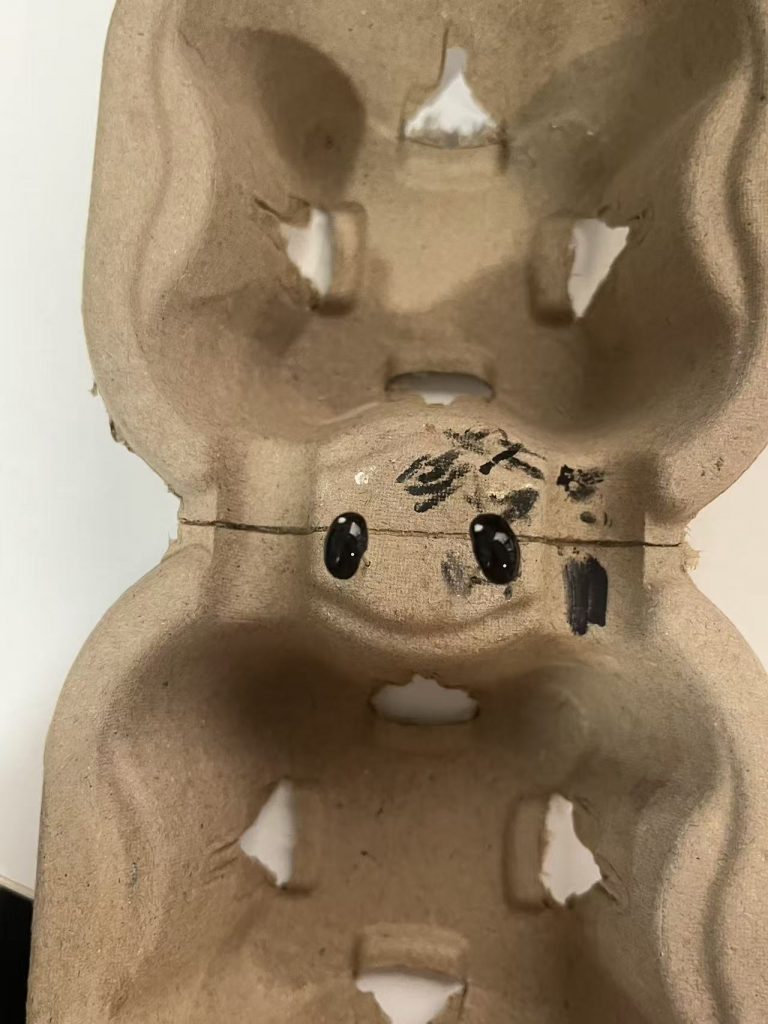
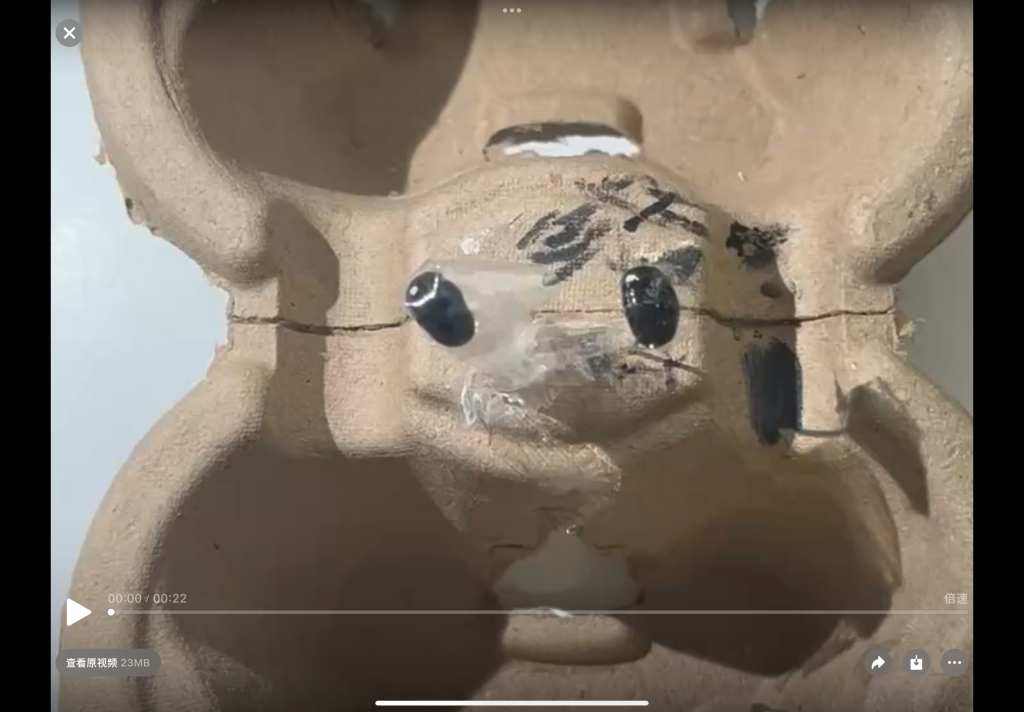
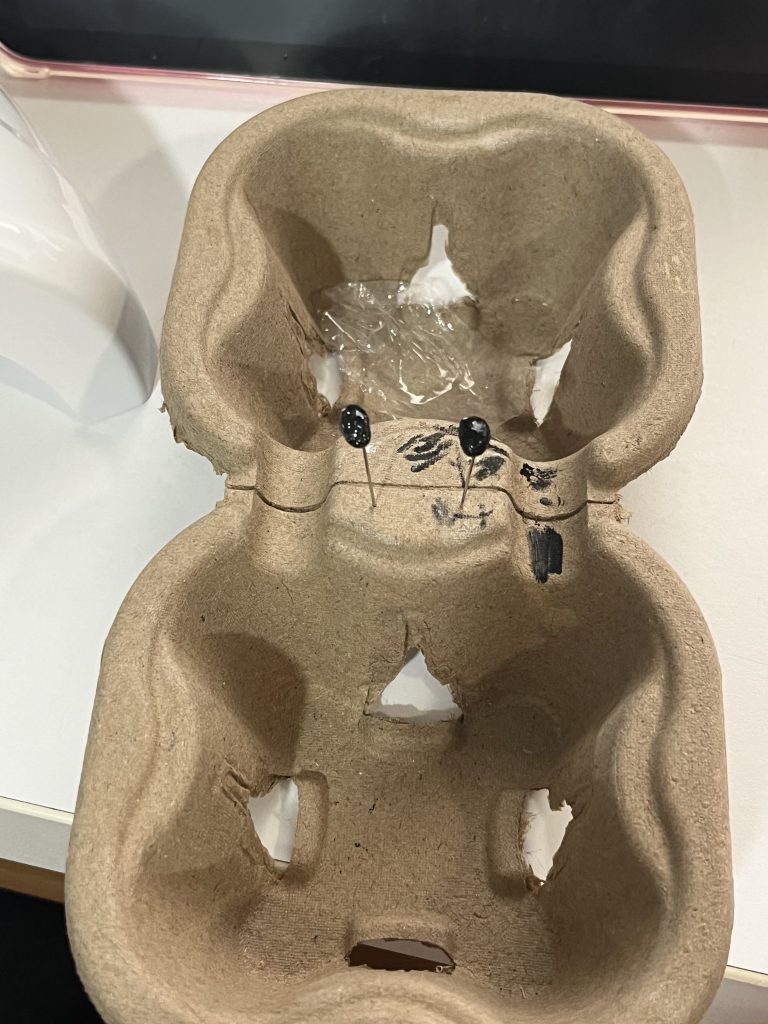
I was also responsible for making the puppet’s eyes and experimented with different materials to create highlights. For example, I tested pins, paper pieces, or felt fabric as eyeballs, with yarn used as eyelids. I also tried using resin or stickers to create curved shapes, covering them with cling film or plastic bags to produce reflective highlights. In the end, I decided to shape semi-spheres from modelling clay, paint them with acrylic after they hardened, and use transparent nail polish instead of resin to create highlights. This method allowed me to control costs while also making replacement parts easy to produce.
after nail polishdifferent features testingshiny nail polish left,normal right
During set construction, I learned many things that I had not previously considered. When translating 2D character designs into physical puppets, it is important to consider whether the puppet can actually achieve the range of motion designed in the rough animation, and whether it can remain stable on the rig during filming. If not, adjustments such as lengthening the limbs or reducing the weight of the head may be necessary. Parts that do not perfectly match the original design can also be adjusted using the character’s clothing to correct the proportions.
There are also many calculations involved in building physical sets. Therefore, the floor plan should be completed before creating the animatic; otherwise, it is possible to realise halfway through set construction that the storyboard is not practical. At that stage, modifying the size of props or the set becomes very difficult.
I also learned several practical puppet-making techniques and discovered the functions of components that I had not previously known about. For instance, when constructing the puppet’s waist, twisting wire into a T-shape and inserting it into a wooden block makes the structure much more secure. The limbs can be built with brass tubes to allow interchangeable parts. PTFE tape can be wrapped around the tubes to prevent replacement parts from slipping off. Tubes can also be embedded into the puppet’s hips and inserted into a chair to stabilise the puppet in a sitting position.
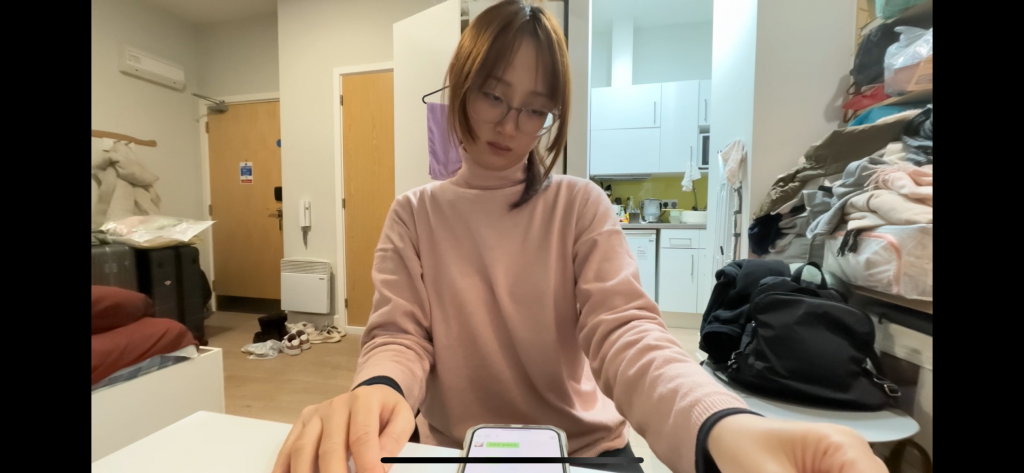
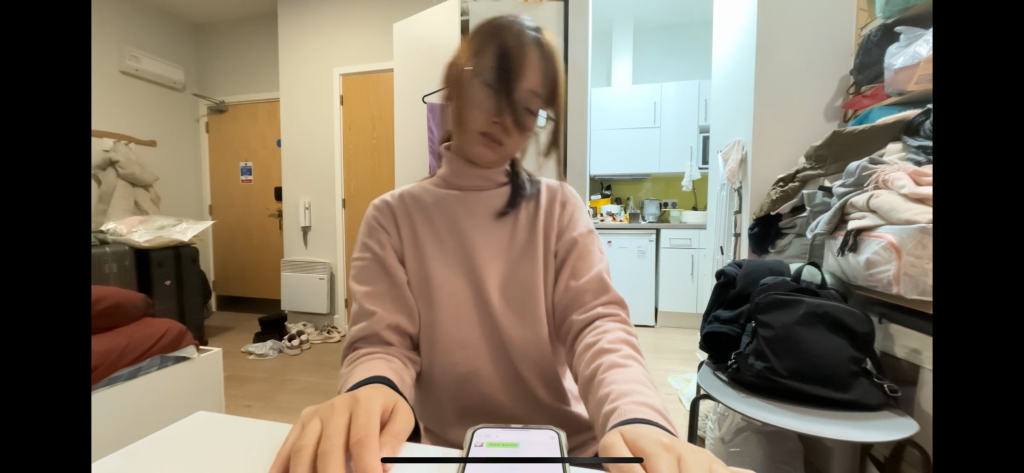
(Every videos can be viewed after download appears in my post)
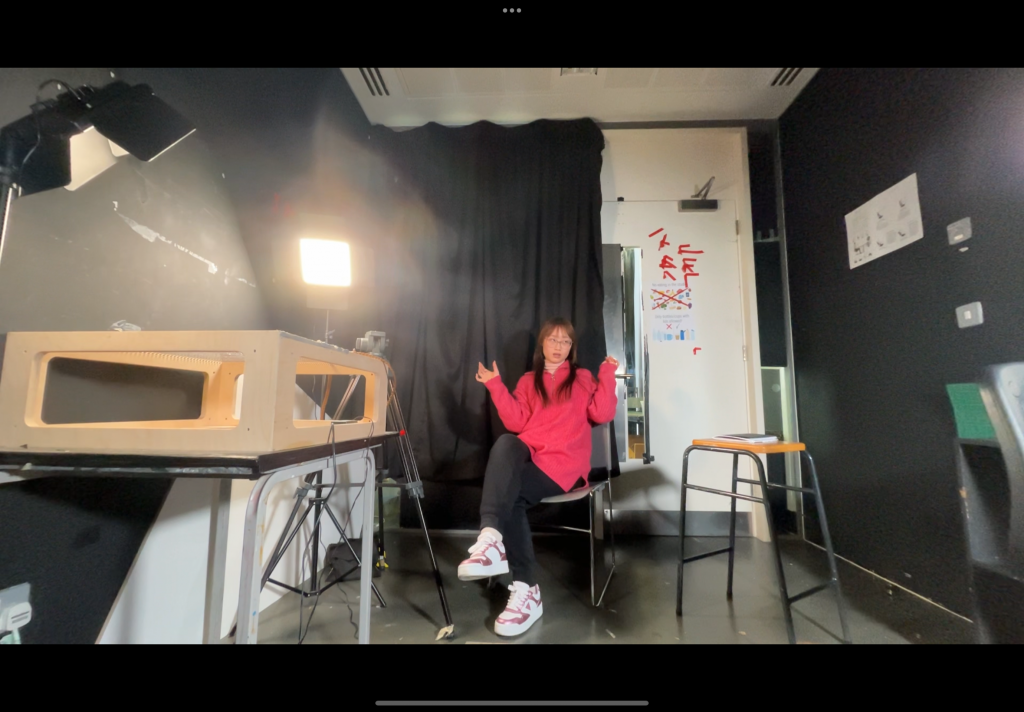
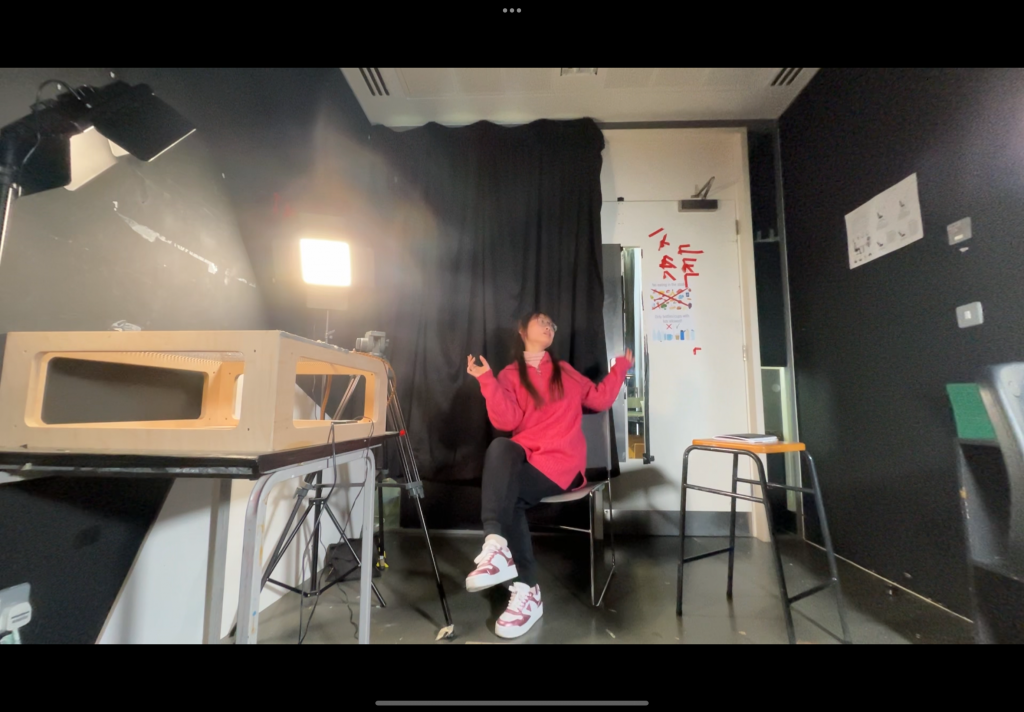
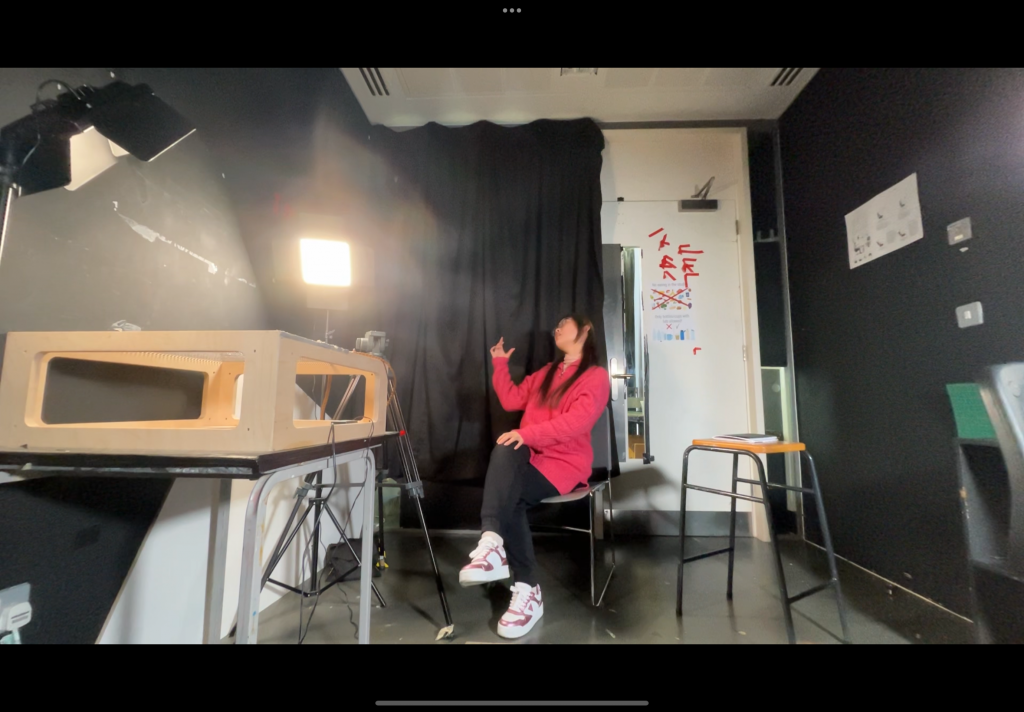
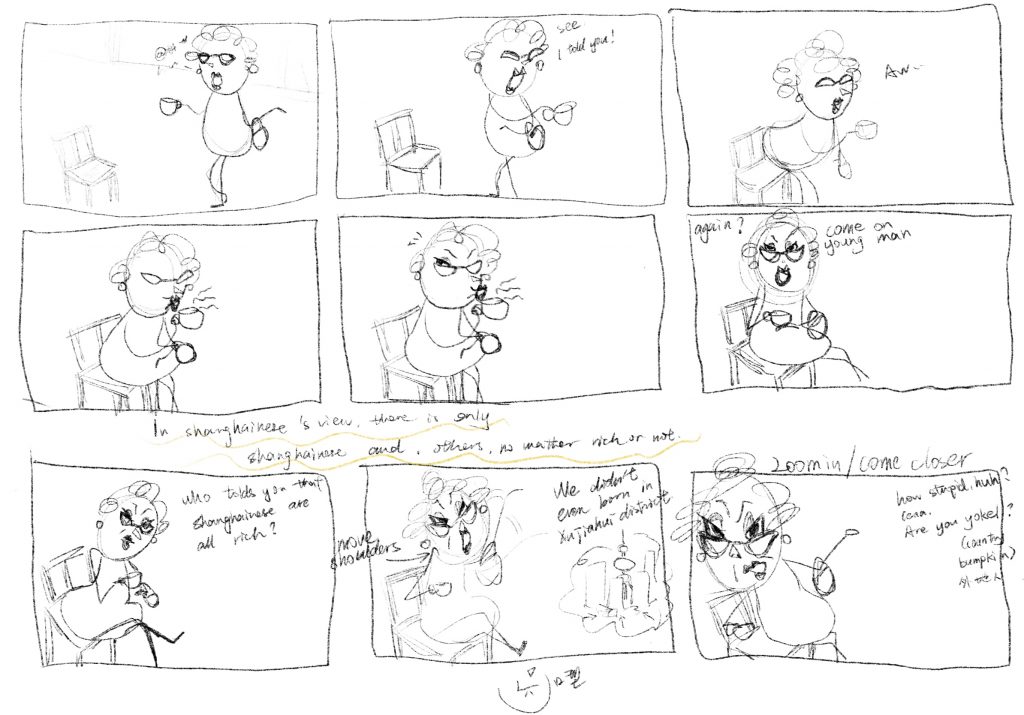
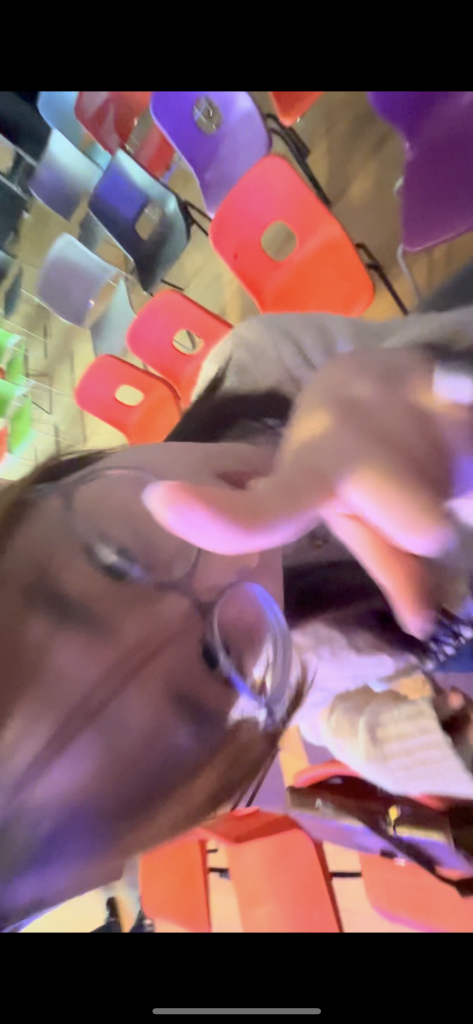
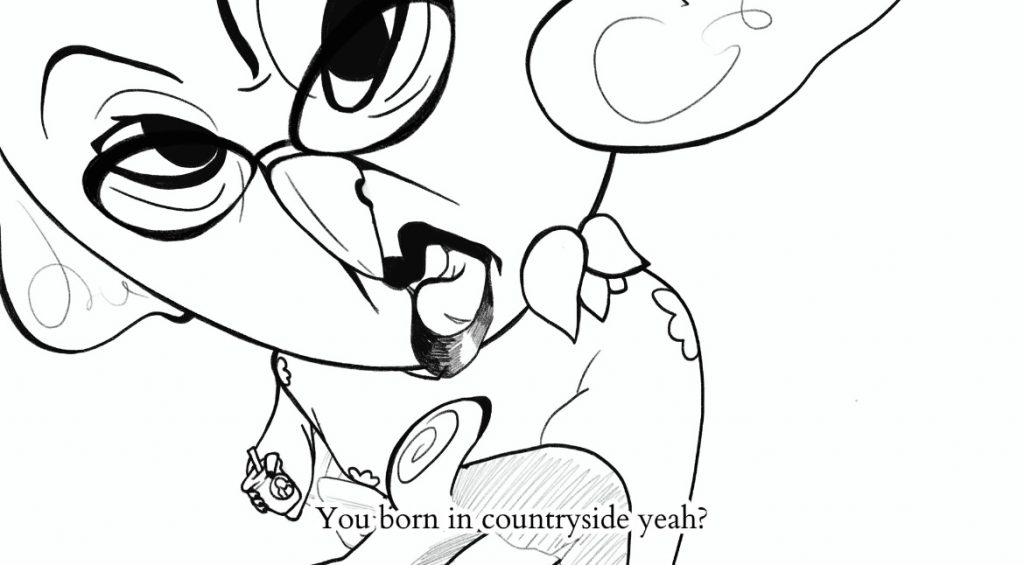
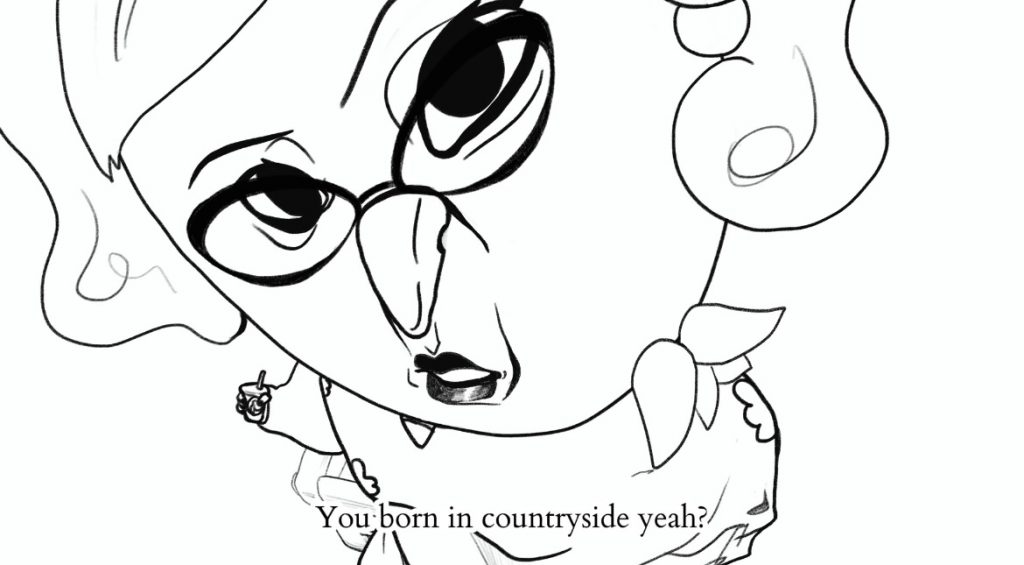
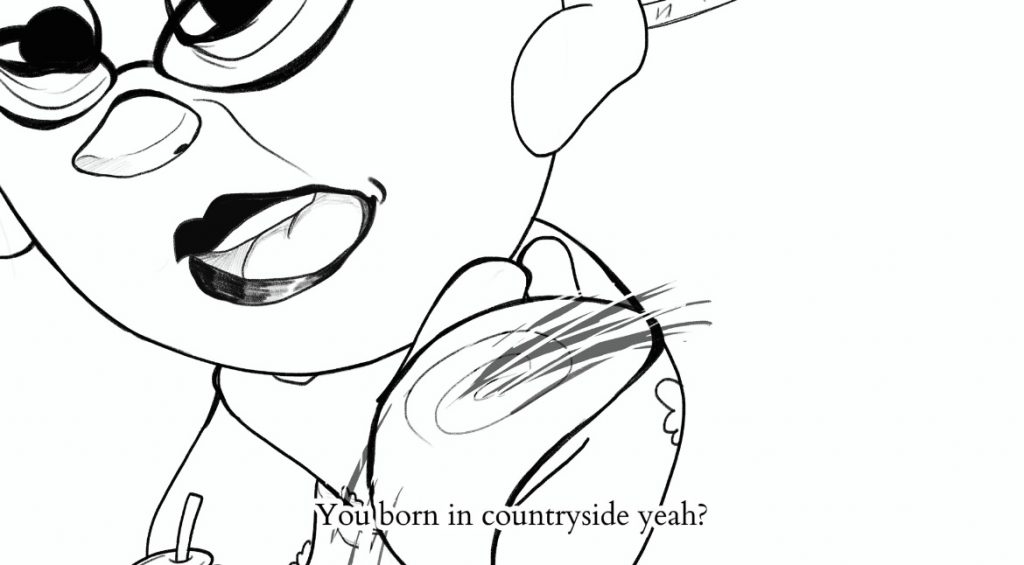
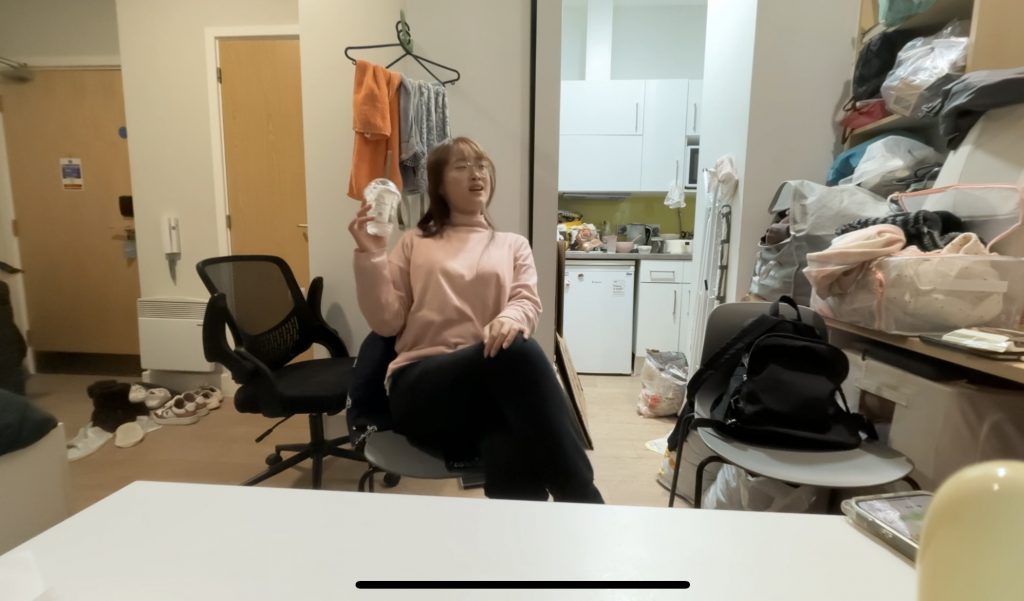
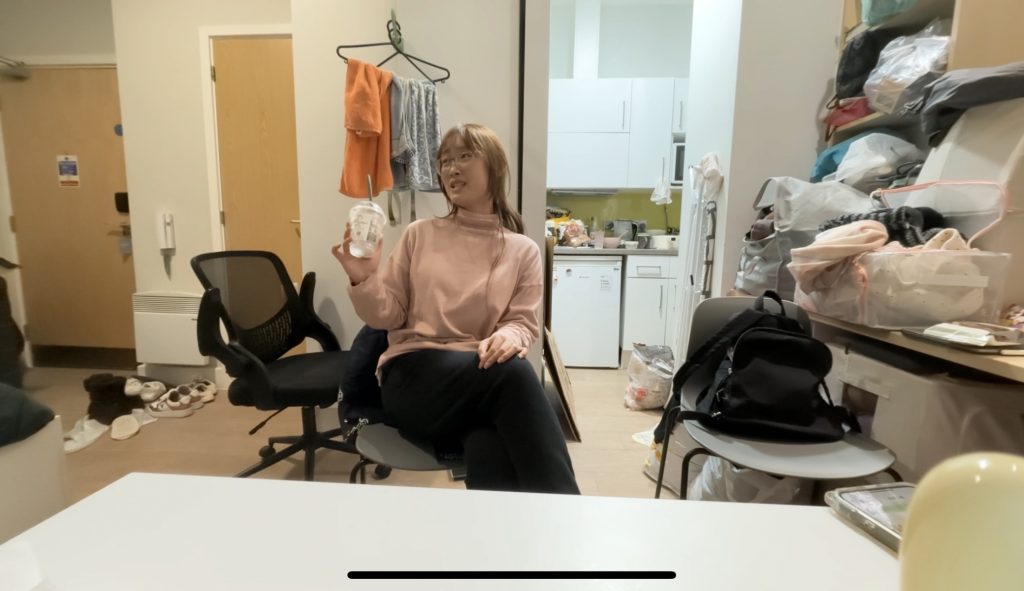
The first thing I learned is the importance of exaggeration. For example, in lip sync practice, I first filmed a full-body reference with visible foot movement, and then recorded a close-up reference of the mouth. The actions and facial expressions should be exaggerated, and the lip movement should match the syllables rather than simply following the spelling of words. Sometimes exaggerated perspective can also be used to emphasise certain parts, such as the eyebrows or hand gestures, which helps highlight the character’s personality. In addition, when the mouth opens widely, besides stretching the face, the mouth can even extend beyond the boundary of the face drawing to create a stronger visual effect.
Secondly, it is important to focus on key poses and rhythm. There should be pauses and timing in the movement. For example, speech does not always have to occur simultaneously with body actions, which can also create follow-through. Variations in speed—some movements slow and some fast—help the audience follow the visual language and the logic of the scene. For instance, when the character blinks or where the pupils move are all steps that guide the audience’s attention. Storyboards should be concise, and every action should have a reason and make logical sense. It is important to consider which actions are most interesting and meaningful when presented on screen. For example, when working with stop-motion in the pathway course, I learned that when adjusting the puppet’s pose I should not look directly at the puppet itself, but instead observe the frame displayed on Dragonframe. Only by doing this can the performance be accurately expressed. Rotating the character’s body angle can also help convey emotion.
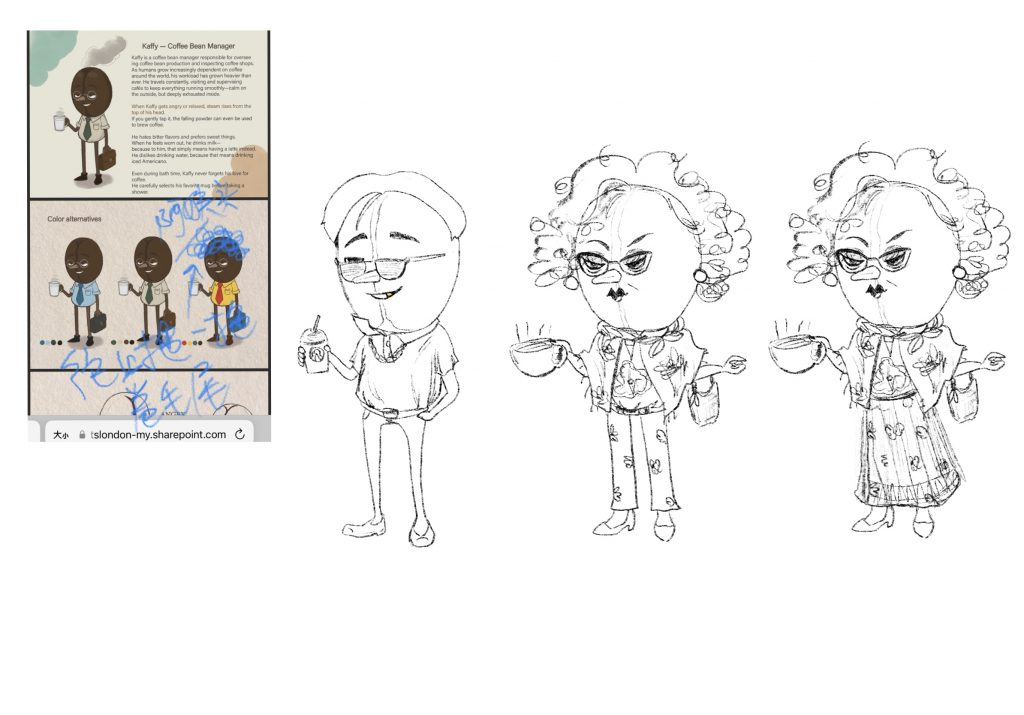
Thirdly, once a theme is decided, it is important to find a unique and relatable perspective that can resonate with the audience. The length of the story is not the most important aspect; what matters is how to reveal the core issue through a single moment. For example, the short film Enough portrays the moment when someone finally feels they have had enough. Although the scene itself is common, the way the characters move and the stylistic presentation make it distinctive. When I was thinking about the characteristics of my hometown, I spent a long time considering how to highlight those features while still allowing people who are unfamiliar with my language to understand the idea. I encountered a creative block at first, but a classmate’s character design inspired me. They designed a character shaped like a coffee bean, which relates to one of the stereotypes of Shanghai people—that they enjoy drinking coffee. This idea helped me expand my thinking. I realised that the characteristic does not need to appear grand or monumental; even a small detail can create an impression of Shanghai people and effectively fit the theme.
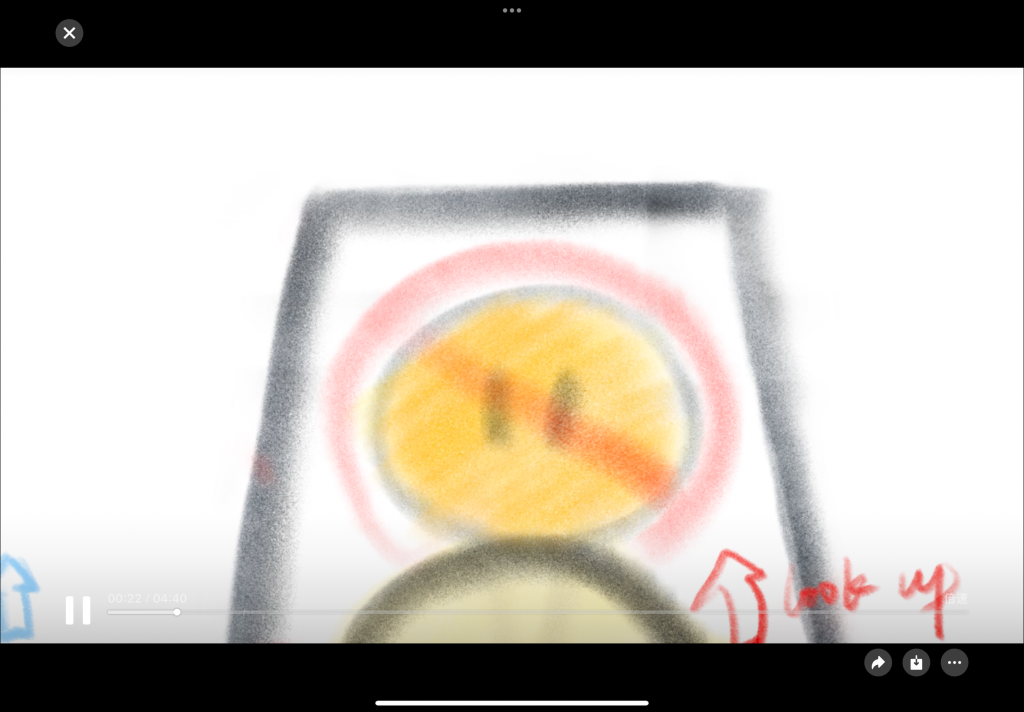
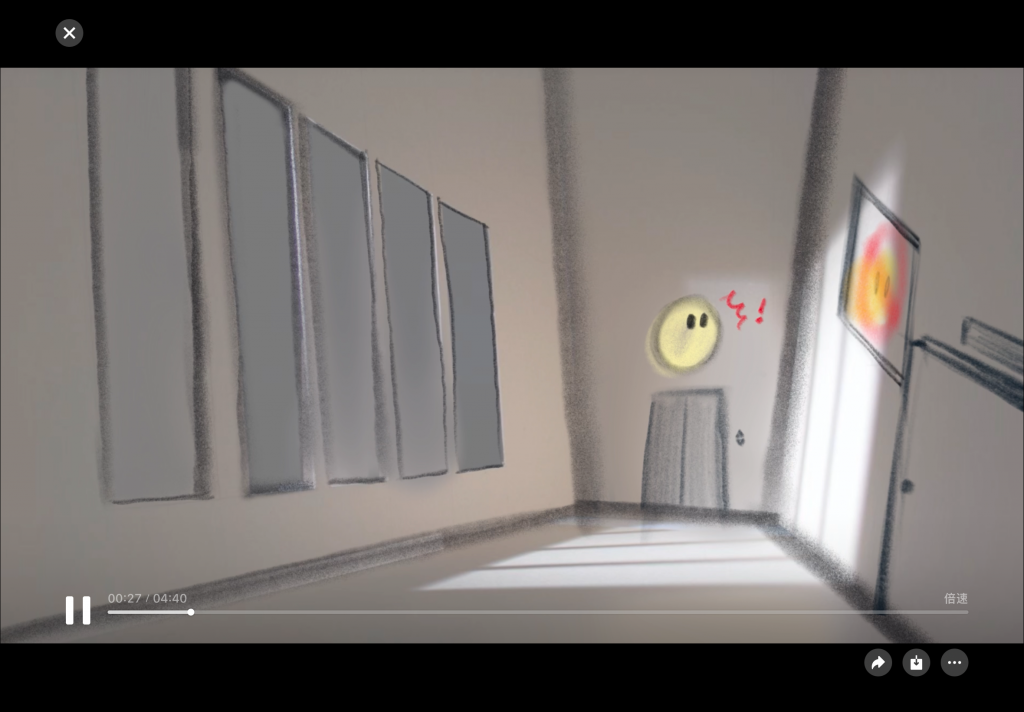
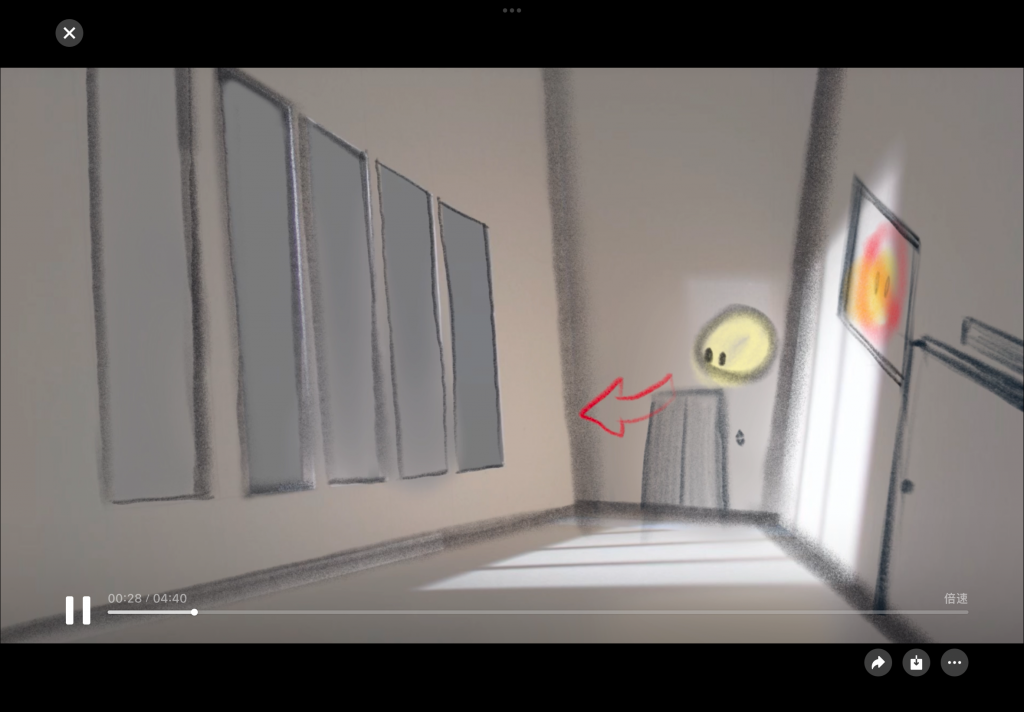
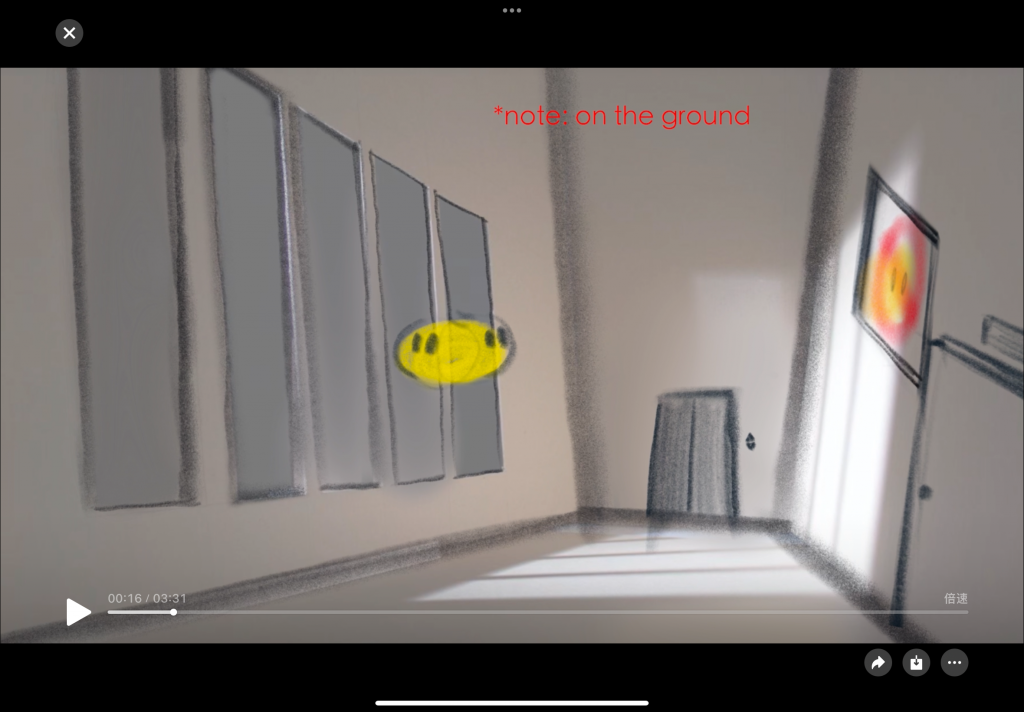
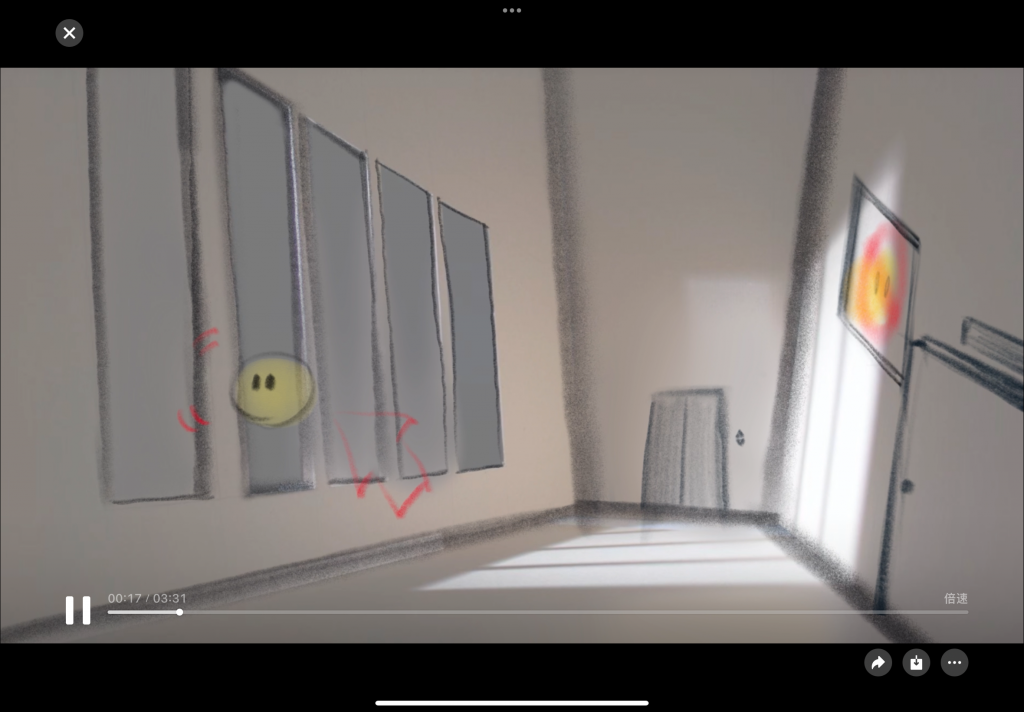
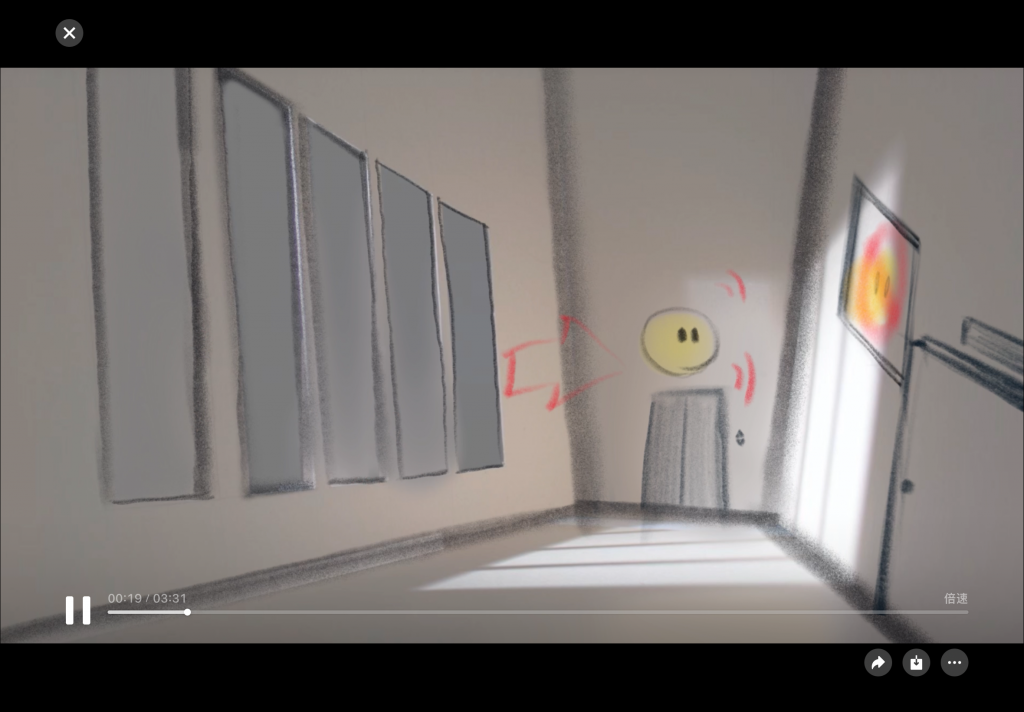
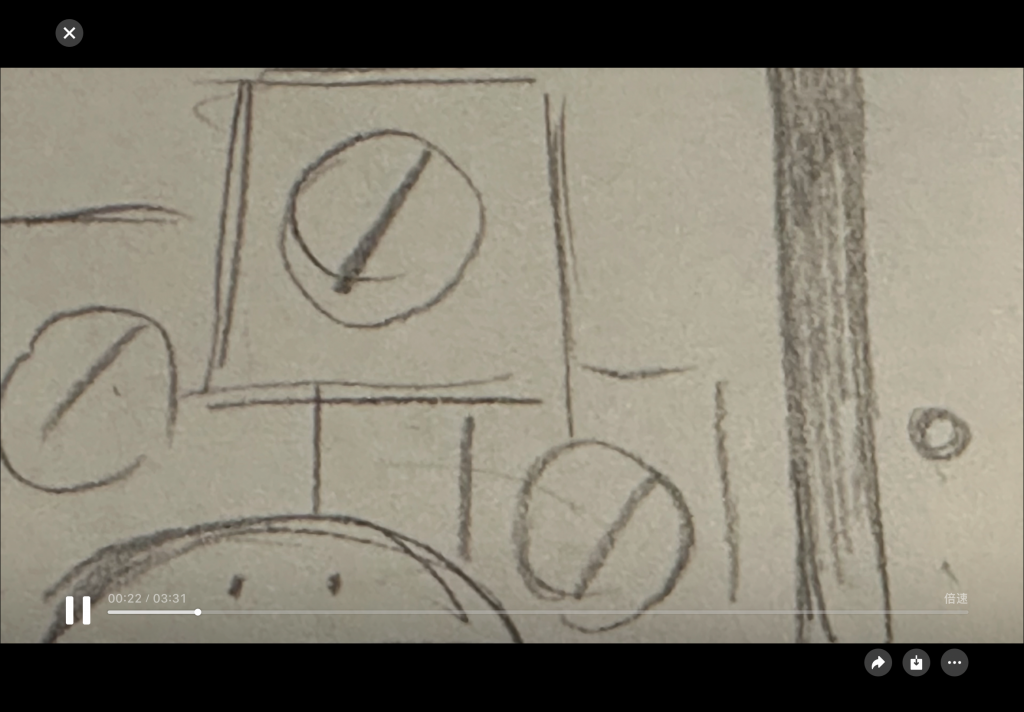
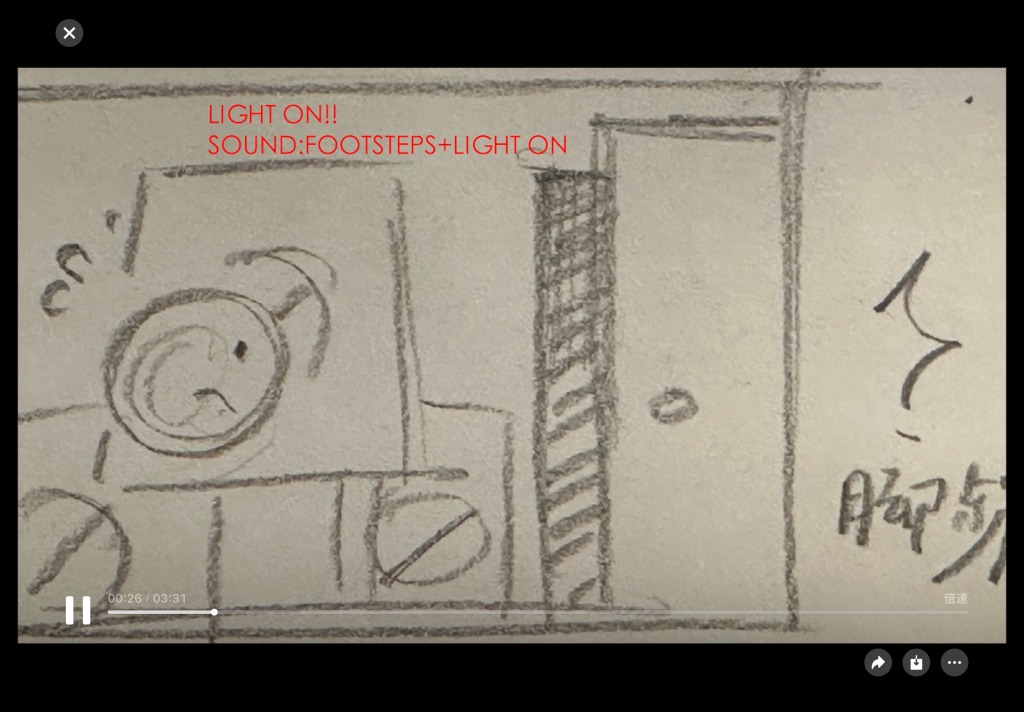
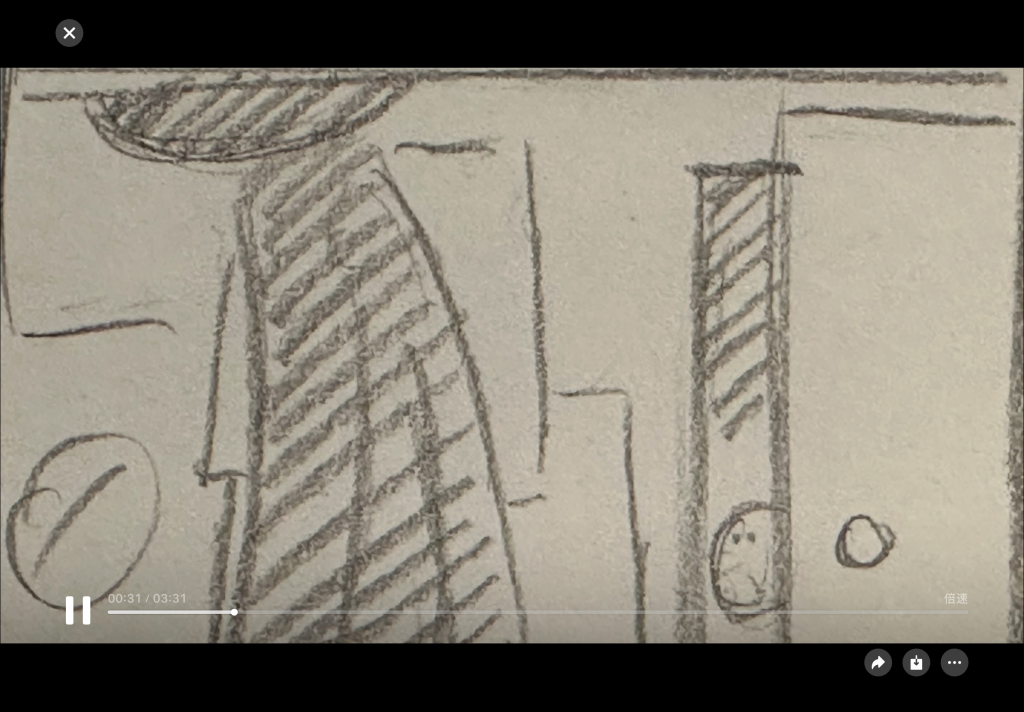
Fourthly, during the storyboard production process in the pathway course, I realised that moving images should be used to interpret the theme, and that details should serve to clarify the theme rather than exist purely for storytelling. At the beginning, my storyboards for each small exercise were extremely complex. Whenever I showed them to Ko, they were often rejected, and I did not understand what the problem was because the storyboard already seemed like a complete story. Later, I realised that the issue was that I was too determined to include everything within a single storyboard. A fully developed story is not always necessary to achieve an effect. A single moment that resonates with the audience can be enough. My boards contained too many unnecessary shots that did not contribute to character development, theme expression, or practice objectives. At the same time, the parts that should have been exaggerated were not emphasised enough, which only confused the audience. A similar issue also appeared in the early stage of my lip sync work. However, with the help of the teaching assistant, I gradually understood which aspects of my storyboard should be highlighted. (Here I will show the changes in my live-action reference.)
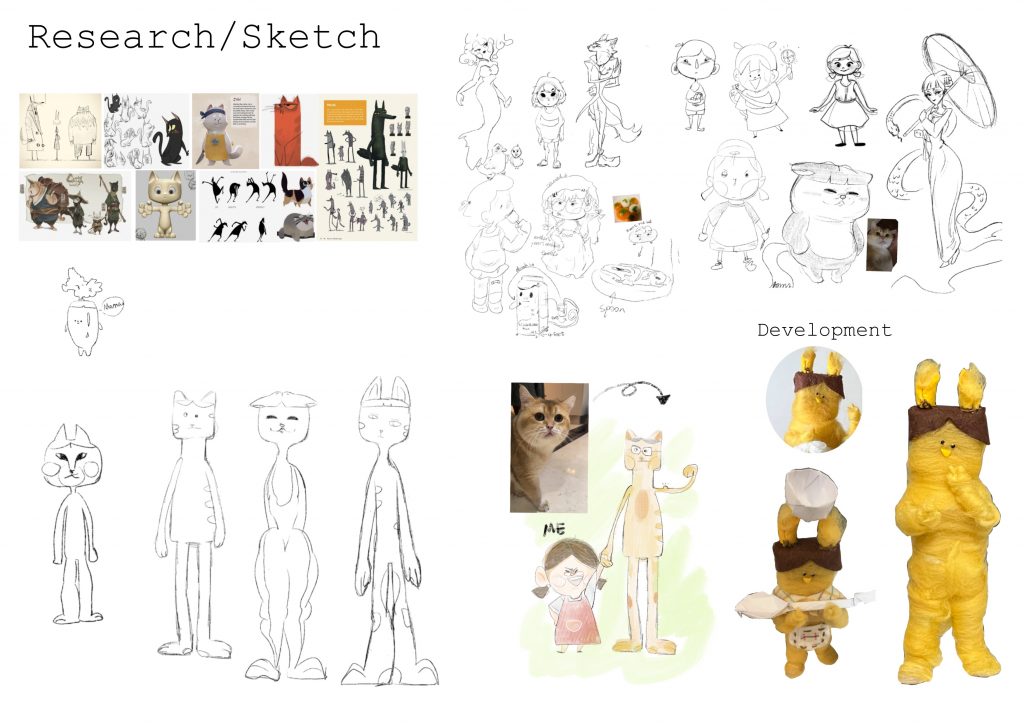
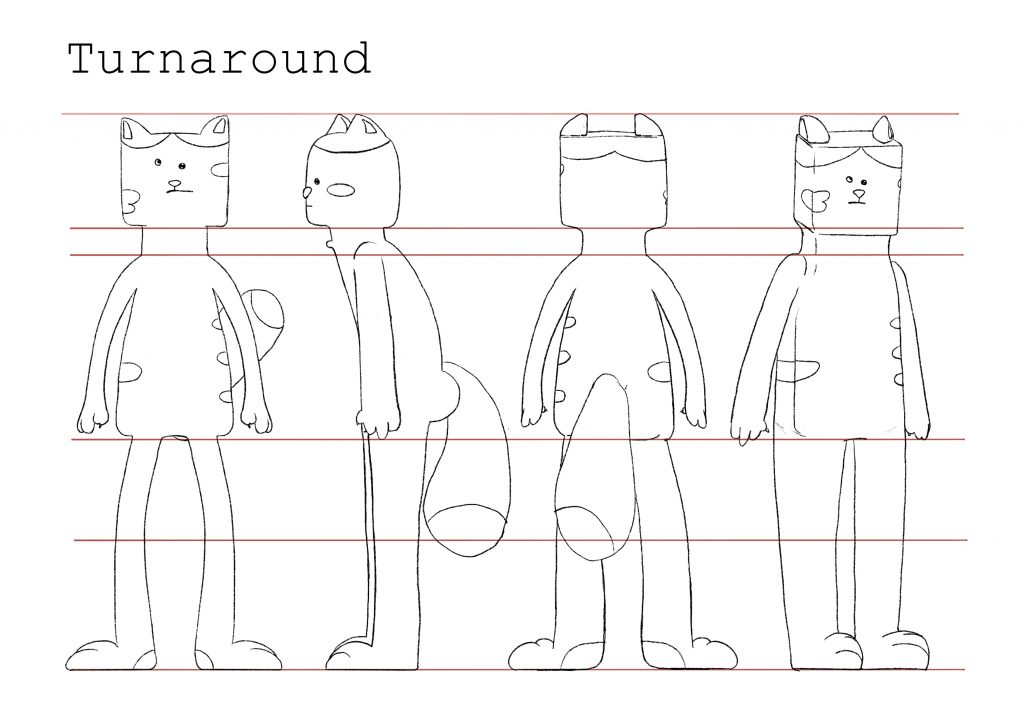
Fifthly, in character design, simple lines often create stronger audience resonance than highly detailed character designs because they are easier for viewers to project themselves onto, unless the character needs to represent a specific historical period or distinctive cultural feature.
For me, the most important lesson is to constantly remind myself not to overcrowd the storyboard. Frames should be staggered, and movements should include follow-through and clear sequencing, allowing the audience enough time to react. Instead of putting every preconceived idea into the frame, the elements within the image should exist only to serve the main narrative theme. A perfectly expressed moment can be extremely powerful.
There should be no unnecessary shots that do not contribute to character personality, visual expression, or narrative clarity, because they will only mislead the audience.
Every action must have a reason. Each movement and line of dialogue should be designed with purpose, and every action should align with the character’s personality and the central theme of the animation. All movements should exist for the sake of visual storytelling and cinematic language.
(Every videos can be viewed after download appears in my post)
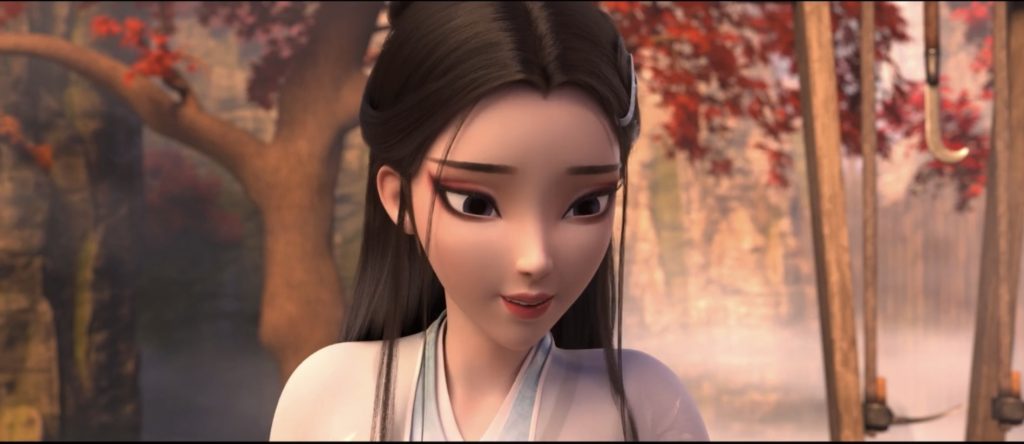
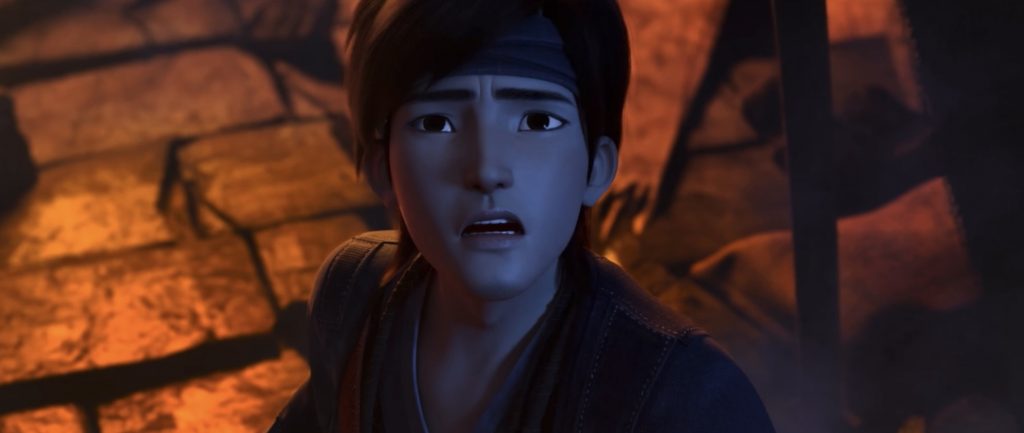
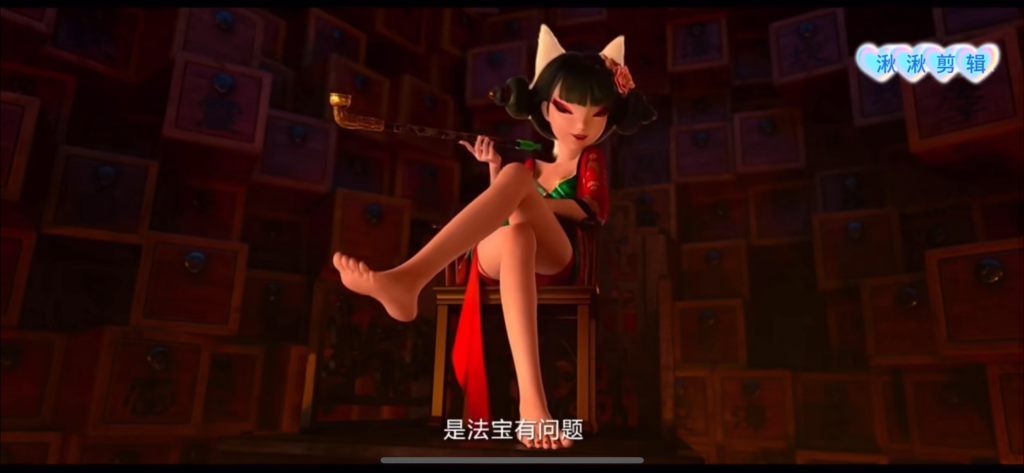
When I was filming the live-action reference for my lip sync exercise, the teaching assistant advised me to study performances from professional animation works. At that time, I learned a great deal from the film White Snake. I believe one of the most successful aspects of this film is its effective use of follow-through and anticipation.
In this short sequence, although the character only smiles briefly, the performance feels extremely vivid. This is because the frames of the movements are staggered. She first moves her eyebrows, then slightly shakes her shoulders, and finally moves her eyes. The motion progresses from larger movements to smaller ones, giving the audience enough time to process and understand the character’s emotions.
Similarly, when portraying a character’s fear, the scene uses a medium shot that gradually zooms into a close-up. Through this cinematic language, the audience can clearly understand the emotional progression and transformation. Since the camera movement itself is already significant, adding large body movements would distract from the focus. Therefore, the performance concentrates on facial expressions. The character first moves the eyebrows and eyes, then uses shoulder movement to support the emotional expression. Face squash and stretch are used as the character delivers the dialogue and completes the lip sync, allowing the emotion to reach its peak. Finally, follow-through brings the body back to its original position. This sequence successfully conveys subtle emotional changes while also making the movement feel lively and dynamic.
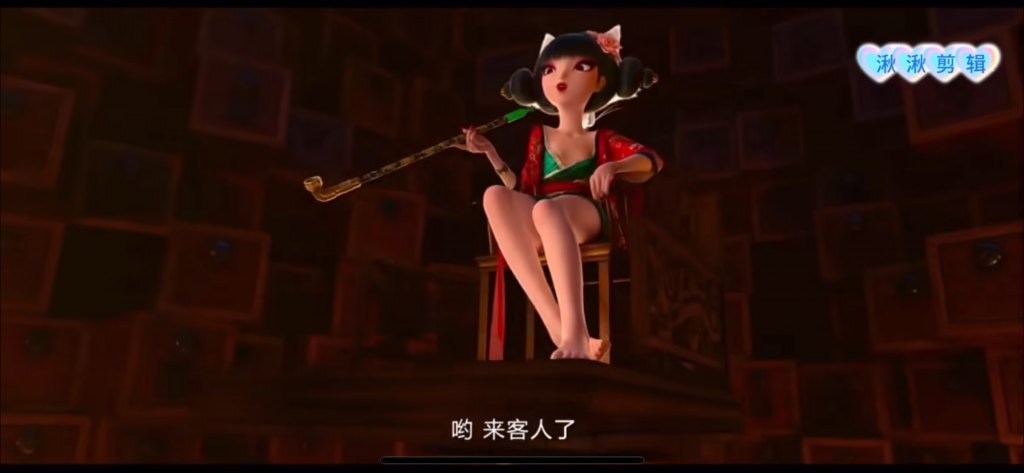
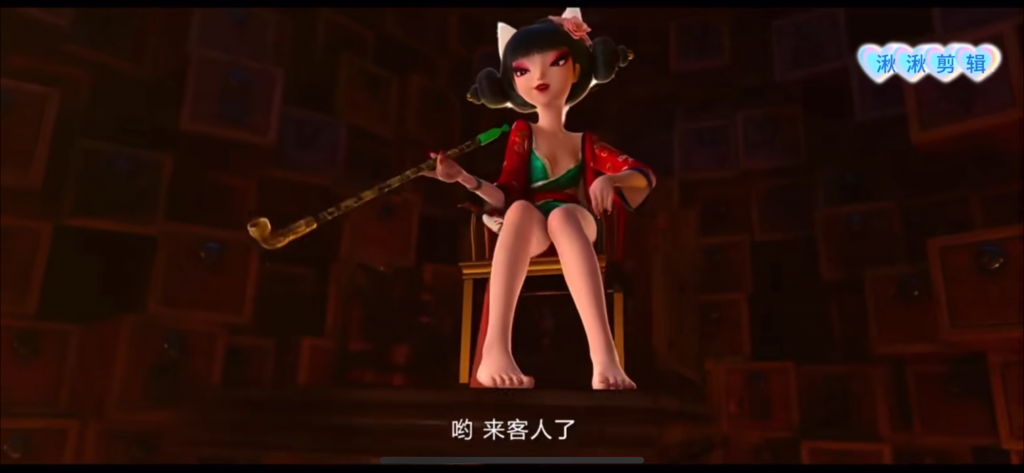
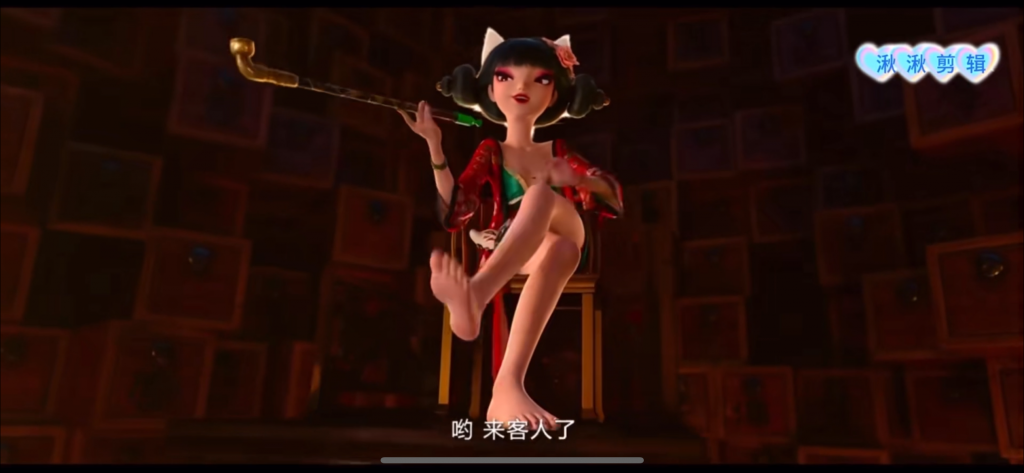
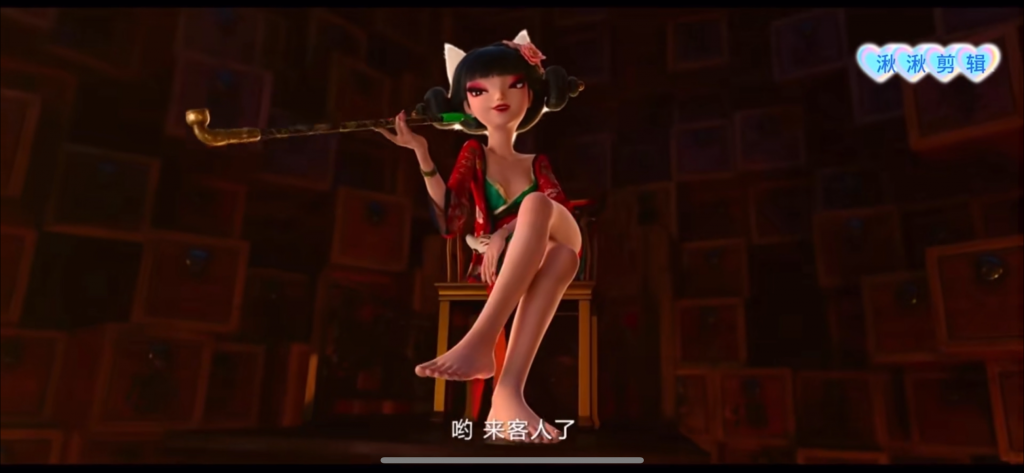
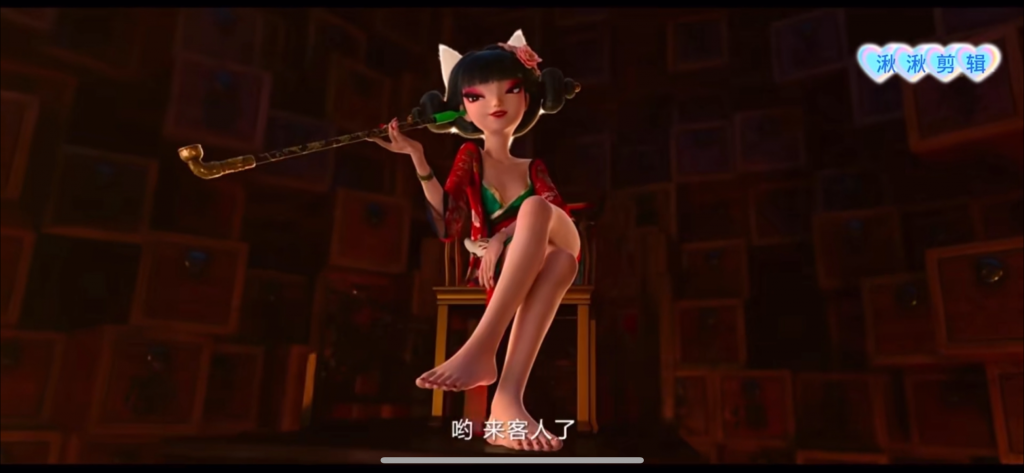
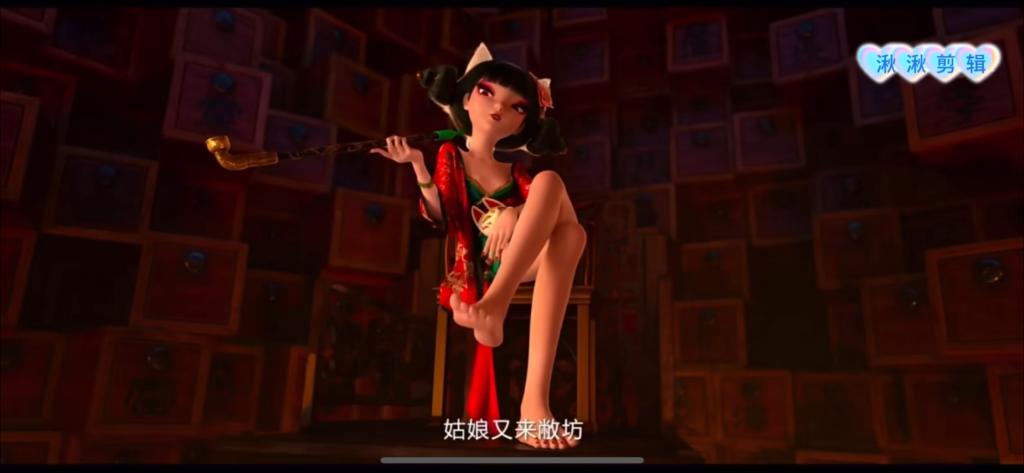
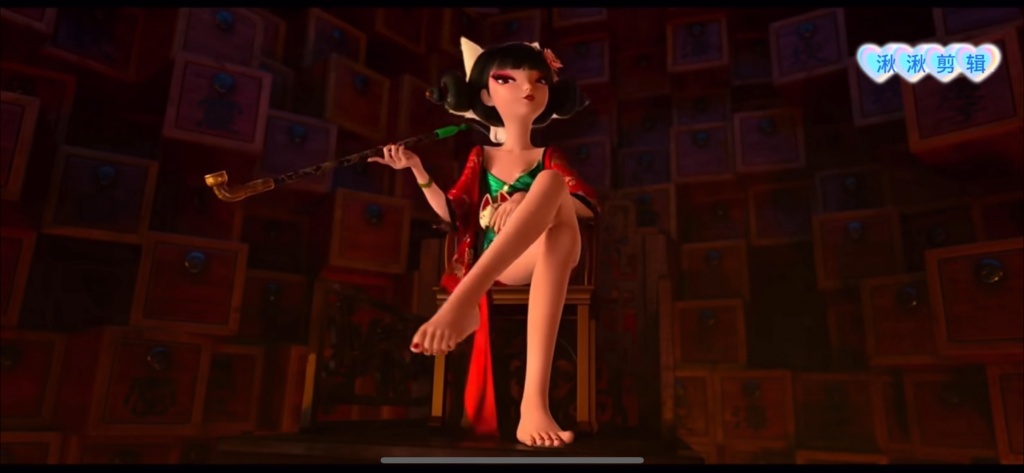
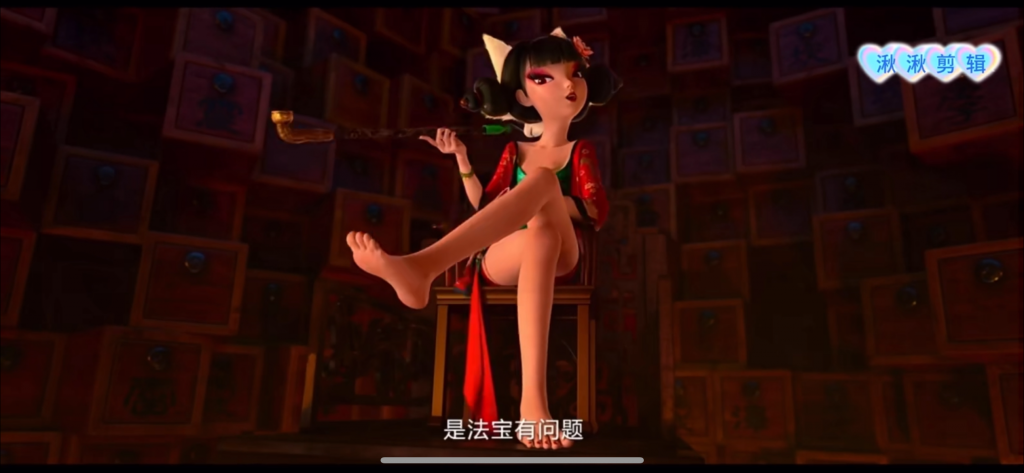
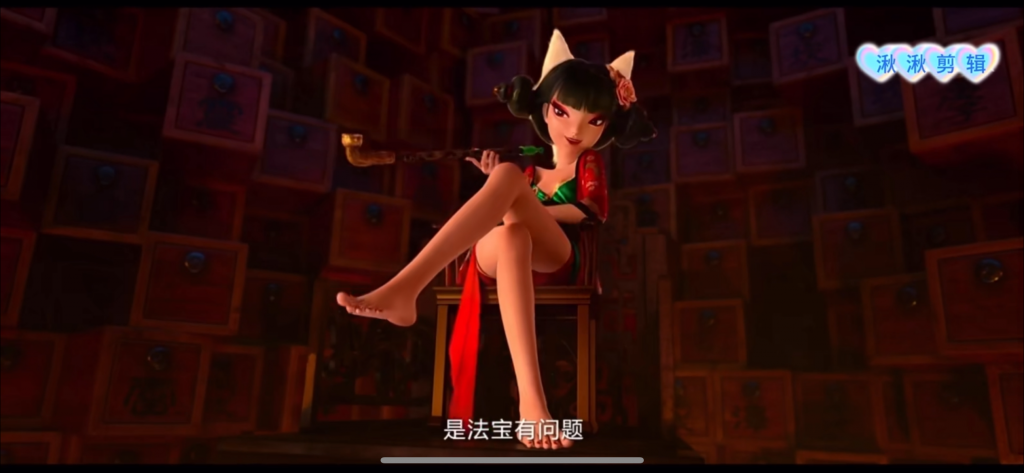
This was one of the key scenes I studied when working on my lip sync exercise. Although the camera remains in a wide shot, the character’s waist movement is used extensively, continuously rotating the body to change the angle facing the camera. The pose-to-pose animation is designed in a precise and concise way. A large leg-crossing movement leads the action, which then drives the motion of the head, followed by changes in facial expression. This sequence allows the audience to follow the character step by step and quickly understand their personality traits. Within just a few seconds, the animation demonstrates strong follow-through and overlapping action. One of the iconic props in the scene, the pipe, contains a large anticipation movement. This action occurs immediately after a few frames of smaller anticipation from the head movement. Instead of feeling repetitive, it actually provides the audience with enough time to react to the action.
When the character moves from the left side of the chair to the right side, the movement accelerates first and then decelerates, demonstrating the principle of slow in and slow out, which conveys a sense of softness in the character’s movement. Most of the actions also follow arcs, which express the character’s graceful and charming personality.
There is also secondary action hidden within this shot. The main action is the movement of the waist, while additional details enrich the performance. For example, the facial expression changes while the character is speaking: from a normal expression, to widened eyes with facial stretching, and then returning to normal. The follow-through of the lower leg and the pipe also function as secondary actions that support the main movement.